
Understanding heritage vocabulary: château, castle, fortress and palace
Château, castle, fortress, palace: what’s the difference?
Château, castle, fortress or palace: four words often confused. Clear definitions and real-life examples in France to help you tell them apart.
Editorial journal · Carte des Châteaux ·
Château, castle, fortress, palace: these four words crop up time and again in travel guides and on monument signs, and we often use them interchangeably. Yet they don’t all refer to the same thing. A fortress can encompass several castles, a château may never have had any defensive purpose, and a palace can belong to an archbishop just as easily as to a king. The difference lies mainly in the building’s function (to live in, to defend, to govern, to represent) and the era in which it was constructed, rather than its appearance alone. Here’s how to distinguish these four terms, with real-life examples to visit in France.
01
Château: a residence before it’s a fortress
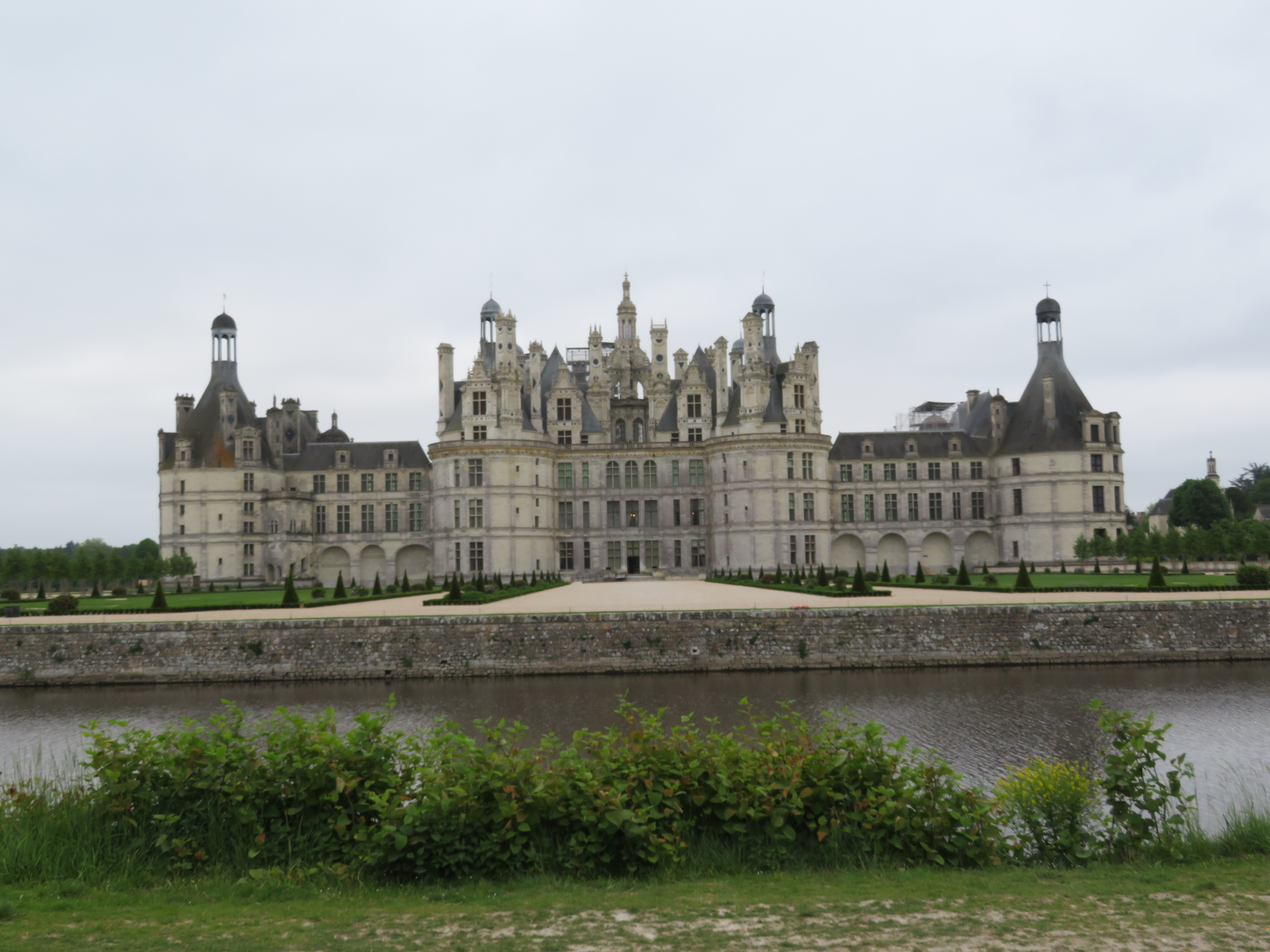
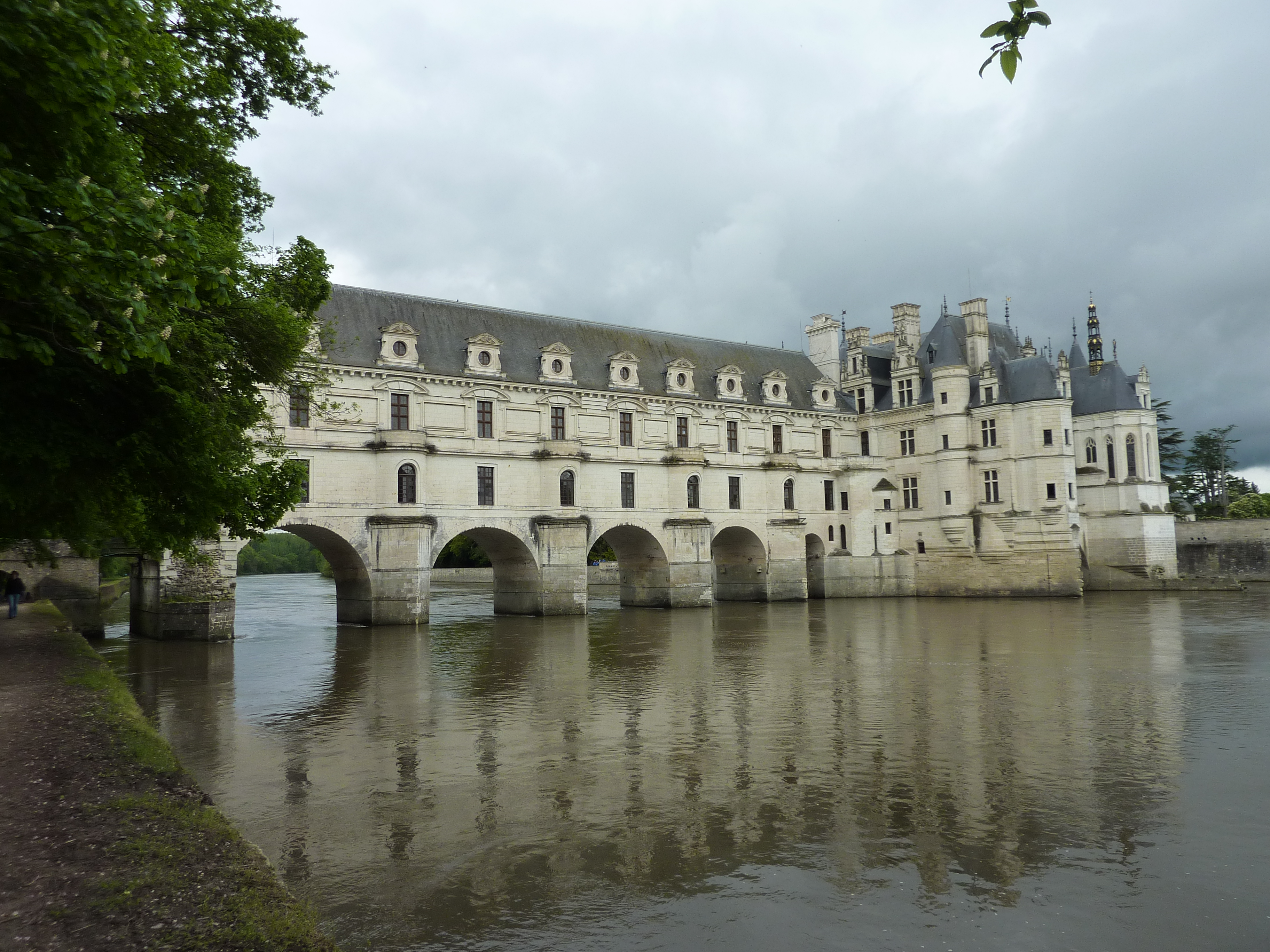
The word ‘château’ comes from the Latin *castellum*, which originally referred to a small fortified post. But as artillery rendered traditional fortifications obsolete and royal power stabilised, the word took on a new meaning: it continued to denote the home of a lord or sovereign, but one that gradually lost its military functions to become a place of residence, reception and prestige. Château de Chambord illustrates this shift. The site originally housed a motte-and-bailey castle and then a fort belonging to the Counts of Blois; the current château was built from 1519 under the reign of François Ier, probably with input from Leonardo da Vinci, at the heart of Europe’s largest enclosed forest park (around 50 km², enclosed by 32 km of walls). No defensive logic governs it any longer: Chambord remains today the largest of the Loire châteaux and the only intact royal domain in France since its creation, listed as a UNESCO World Heritage Site since 1981. Château de Chenonceau, built from 1513 by Katherine Briçonnet and later enriched by Diane de Poitiers and Catherine de Médicis, goes even further in this direction: its famous two-storey gallery spans the Cher without the slightest concern for defence. Nicknamed the ‘Ladies’ Château’ for the many women who shaped it, it has belonged to the Menier family since 1913 and remains open to visitors.
LOIR-ET-CHER · Chambord
Château de Chambord
Le château de Chambord est un château situé dans la commune de Chambord, à 17 km de Blois dans le département du Loir-et-Cher, en région Centre-Val de Loire (France). Construit au cœur du plus grand parc forestier clos d’Europe (environ 50 km2 ceint par un mur de 32 km de long), il s’agit du plus vaste des châteaux de la Loire. Il bénéficie d’un jardin d’agrément et d’un parc de chasse classés monuments historiques. Qualifié de « diamant caché dans les bois », Chambord est le seul domaine royal encore intact depuis sa création. Le site a d’abord accueilli une motte féodale, ainsi que l’ancien fort des comtes de Blois. Le château actuel remonte au XVIe siècle et au règne du roi François Ier, qui supervise son édification à partir de 1519. Le château et son domaine se sont vu octroyer plusieurs distinctions : inscription au patrimoine mondial de l’Organisation des Nations unies pour l’éducation, la science et la culture (UNESCO) en 1981, ; classement depuis 2000 dans la zone de classement de la région naturelle du Val de Loire entre Sully-sur-Loire et Chalonnes-sur-Loire ainsi que dans le réseau Natura 2000 en 2006. Il est également classé sur la première liste française de monuments historiques en 1840, est reconnu établissement public à caractère industriel et commercial (EPIC) depuis 2005 et constitue l’une des composantes du réseau des résidences royales européennes.
INDRE-ET-LOIRE · Chenonceaux
Château de Chenonceau
Le château de Chenonceau est un château de la Loire situé en Touraine, sur la commune de Chenonceaux, dans le département d'Indre-et-Loire en région Centre-Val de Loire. Chenonceau avec sa célèbre galerie à deux étages qui domine le Cher est l'un des fleurons de l'architecture du Val de Loire. Ses emprunts à l'Italie et ses caractéristiques françaises sont clairement perceptibles. Chenonceau est construit, aménagé et transformé par des femmes très différentes de par leur tempérament. Il est édifié par Katherine Briçonnet en 1513, enrichi dès 1547 par Diane de Poitiers, qui le reçoit en cadeau d'Henri II, et agrandi sous Catherine de Médicis. Il devient un lieu de recueillement avec « la reine blanche », Louise de Lorraine, puis il est sauvegardé par Louise Dupin au cours de la Révolution française et enfin, métamorphosé par Madame Pelouze. De par le grand nombre de personnalités féminines qui en ont eu la charge, il est surnommé « le château des Dames ». Le domaine privé de Chenonceau appartient à la famille Menier depuis 1913 et il est ouvert à la visite. Le château est classé au titre des monuments historiques depuis son inscription sur la liste de 1840 et le parc par arrêté en date du 7 novembre 1962. L'édifice et son environnement sont intégrés au Val de Loire, classé au patrimoine mondial de l'Unesco, depuis le 9 juillet 2017.
02
Castle: architecture designed for war
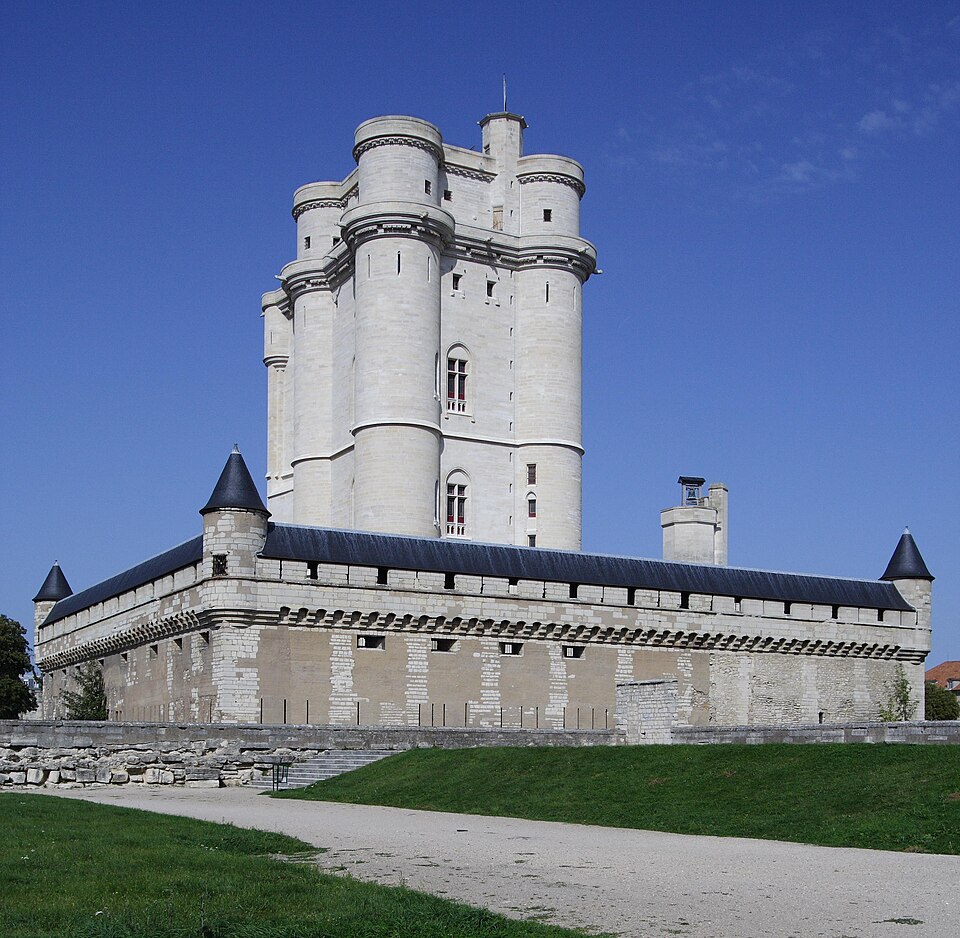
A castle, on the other hand, remains true to the original meaning of the word *château*: it is a seigneurial residence designed above all to withstand a siege. Keep, curtain walls, moat, battlements, arrow slits: every element serves a military purpose, with residential function taking a back seat. Château de Vincennes is its most accomplished example. Built between the 14th and 17th centuries and long called the ‘Old Fort of Vincennes’, it is today presented as the largest surviving royal castle in France, and one of Europe’s tallest lowland fortresses due to the height of its keep. Unlike most castles, it was not built on a hill or rocky outcrop but on a simple limestone plateau, its moat fed by the Ru de Montreuil. Château de Coucy in the Aisne department shows just how far this defensive architecture could be taken: its keep, 54 metres high and 31 metres in diameter, was before 1917 the tallest ever built in the Western world, equal to that of Vincennes. It was destroyed without military necessity by the retreating German army that year; its remains, listed as a historic monument as early as 1862, still bear witness to the ambition of this stone-and-war architecture.
VAL-DE-MARNE · Vincennes
Château de Vincennes
Le château de Vincennes (également appelé autrefois Vieux Fort de Vincennes), est une forteresse située à Vincennes, dans la banlieue Est de Paris, dont la construction a duré du XIVe au XVIIe siècle. C'est le plus grand château fort royal subsistant en France et, du fait de la hauteur de son donjon, une des plus hautes forteresses de plaine d'Europe. Le château de Vincennes est le siège du service historique de la Défense. La forteresse est située près de Paris, à environ huit kilomètres de l'île de la Cité, desservie par la gare de Vincennes de la ligne A du RER par la ligne 1 du métro à la station Château de Vincennes. Contrairement à la plupart des châteaux forts, il n'a pas été implanté sur une colline ou sur le rebord d'une falaise, mais sur un plateau calcaire. L'alimentation des douves en eau était assurée par le ru de Montreuil, qui descend du plateau de Montreuil. Le trop-plein de ce cours d'eau se jetait dans le lac de Saint-Mandé. Au Moyen Âge, le site était couvert d'une forêt giboyeuse. Depuis le XIXe siècle, les alentours du château sont urbanisés : l'ancienne forêt subsiste partiellement dans le bois de Vincennes, dont l'étendue est du ressort de Paris.
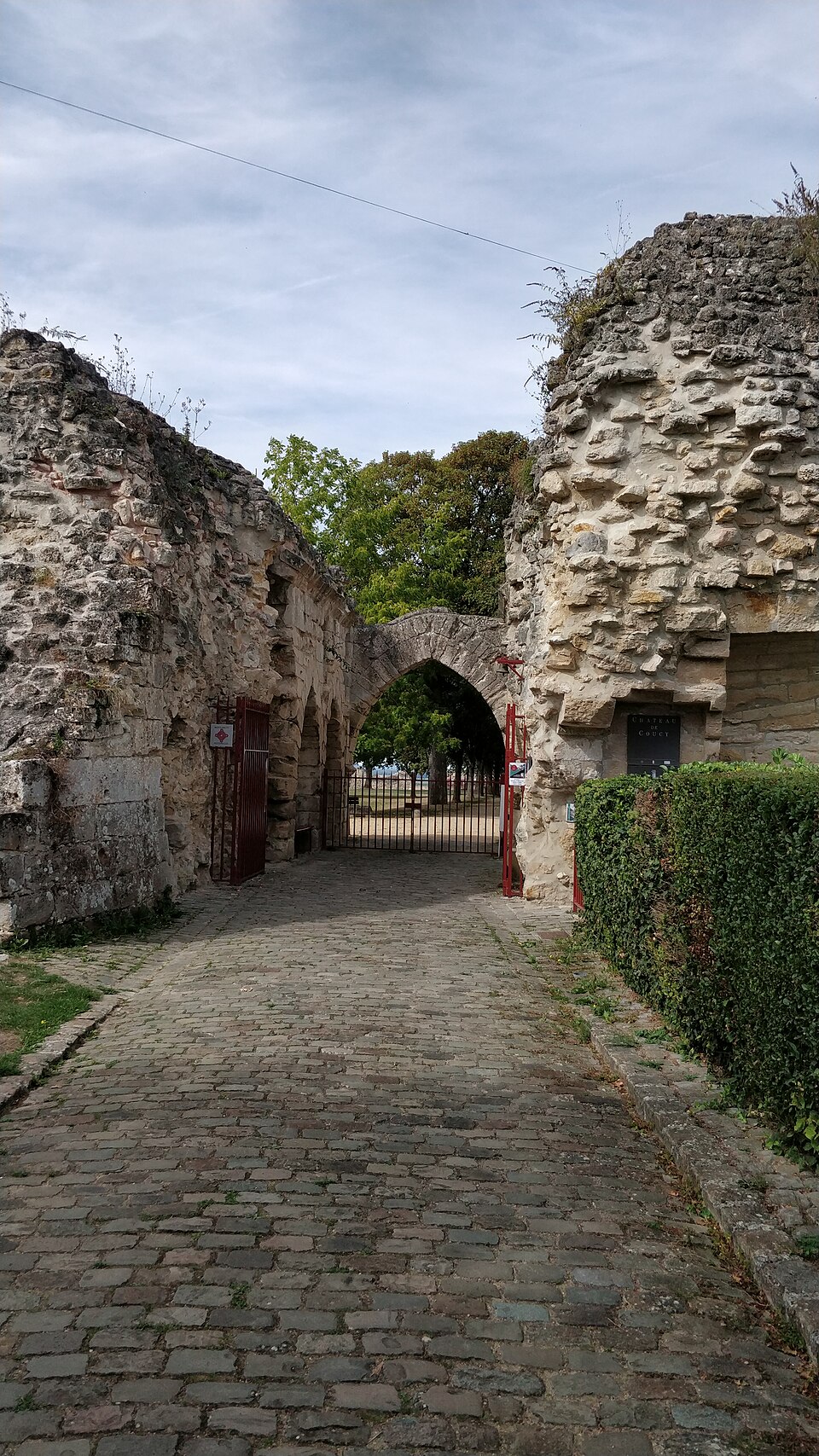
AISNE · Coucy-le-Château-Auffrique
Château de Coucy
The Château de Coucy is a former fortified castle and seigneurial residence, built from the 13th century onwards, now in ruins, whose remains stand in the French commune of Coucy-le-Château-Auffrique in the Aisne department, in the Hauts-de-France region. The castle was the seat of the powerful House of Coucy until the death, in 1397, of Enguerrand VII de Coucy. Before 1917, the Château de Coucy was renowned for its imposing donjon, the tallest ever built in the West along with that of the Château de Vincennes (54 metres high and 31 metres in diameter), and the site was among the most visited in France in the early years of the 20th century. This impressive keep was destroyed by the German army, which had occupied Coucy for two years, during its retreat to the Hindenburg-Siegfried Line, without any military necessity justifying this decision. In addition to the keep, the German soldiers also devastated the town of the lords of Coucy: the castle's four massive corner towers, as well as the gates of the fortified town of Coucy (among others, the imposing Porte de Laon) and many buildings in the town (including the 13th-century belfry and the church of Saint-Sauveur; the latter was the only one of these destroyed buildings to be rebuilt after the war). The ruins of the castle were classified as historic monuments on the 1862 list.
03
Fortress: a scale that goes beyond a single castle
‘Fortress’ is a broader term than ‘castle’: it doesn’t necessarily refer to the residence of a single lord, but can apply to any fortified complex, up to an entire town enclosed by its ramparts. La Cité de Carcassonne offers the best demonstration of this. This medieval fortified city, whose origins date back to the Gallo-Roman period, owes its fame to its double enceinte of nearly 3 km, punctuated by fifty-two towers, which overlooks the Aude valley. It houses within its walls a full-fledged castle, the Château Comtal, as well as a basilica. Saved from destruction by the archaeologist Jean-Pierre Cros-Mayrevieille and restored in the 19th century under the direction of Viollet-le-Duc, the Cité has been a UNESCO World Heritage Site since 1997. The Château Comtal, fortifications and towers belong to the state and are managed by the Centre des monuments nationaux, while the lices and the rest of the Cité fall under municipal ownership. Carcassonne illustrates the distinction well: the Château Comtal is a castle, the entire Cité is a fortress.

04
Palace: prestige without any defensive purpose
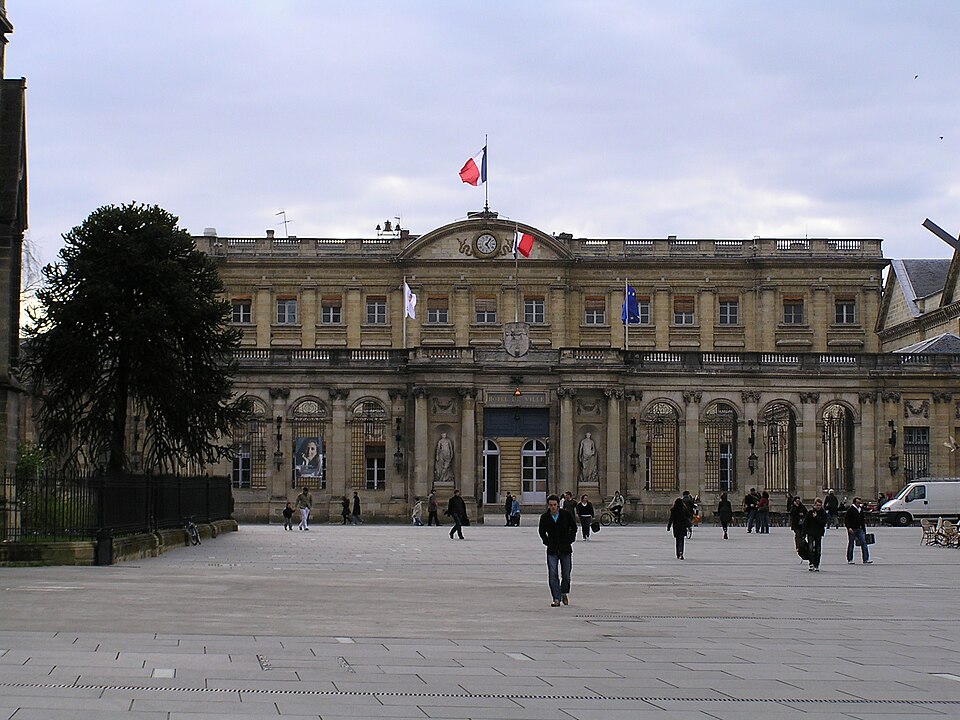
A palace shares with a château a residential and representative function, but it is distinguished by its setting—most often urban—and by its almost total lack of defensive purpose. The word comes from the Palatine Hill in Rome, where the emperors lived: a palace is above all a place of power and pomp. Palais Rohan in Bordeaux shows that this power is not necessarily royal. Built between 1771 and 1784 for Archbishop Ferdinand-Maximilien-Mériadec, Prince of Rohan, it first served as the Archbishop’s residence before taking on a variety of uses under different political regimes: seat of the Revolutionary Tribunal in 1791, prefecture building in 1800, imperial palace under Napoleon I in 1808, royal palace under Louis XVIII in 1815, and then city hall from 1835 onwards. One and the same building, then, but a seat of power that has endured across regimes without ever needing ramparts.
05
Quick ways to tell them apart at a glance
To make a quick decision when faced with a monument, a few questions usually suffice: - Does the building have visible defensive elements (keep, curtain walls, moat, machicolations, arrow slits)? If these dominate the whole, you’re probably looking at a castle. - Do these defensive elements extend beyond a single residence, encompassing an entire district or town? Then you’re more likely talking about a fortress or fortified city. - Does the building prioritise large windows, ornamental gardens and residential architecture over defence? Then it’s a château in the modern sense, whether royal or seigneurial. - Is the building located in a city, associated with the exercise of political or religious power rather than the domestic life of a lord? Then it’s probably a palace. These categories are not always watertight: a castle can become a pleasure residence after losing its military role, a fortress can house a palace at its heart. It’s precisely this fluidity that makes their history so fascinating to follow, monument by monument.
06
Frequently asked questions
Is a castle always a fortress? Not necessarily in common usage, but the two concepts often overlap. A castle is a fortified residence belonging to a lord; a fortress can cover a much larger space, up to an entire town like the Cité de Carcassonne. A castle is therefore often a fortress on the scale of a residence, but not every fortress is a castle. What distinguishes a château from a palace? Historically, a château refers to a seigneurial or royal residence, often in the countryside, surrounded by an estate or park, as at Chambord. A palace is a prestigious residence, most often in a city, associated with the exercise of power rather than the domestic life of a lord: it can belong to a sovereign as well as to an archbishop, as shown by the Palais Rohan in Bordeaux. Why are some châteaux also called fortresses? Because the two concepts overlap when a château has retained a large-scale defensive purpose. Château de Vincennes is a case in point: presented both as the largest surviving royal castle in France and as one of Europe’s tallest lowland fortresses. How can you spot a castle at a glance? Look for defensive elements: central keep, curtain walls, moat, machicolations, arrow slits. Their presence signals architecture designed to withstand a siege, unlike the open façades of a pleasure château like Chambord or Chenonceau.
The route on the map
A château, castle, fortress or palace: where to see them in France
Four categories of monuments, four scales and four different functions, brought together here to compare their façades and their history.
Markers follow the suggested visiting order. Select a castle to open its page.