
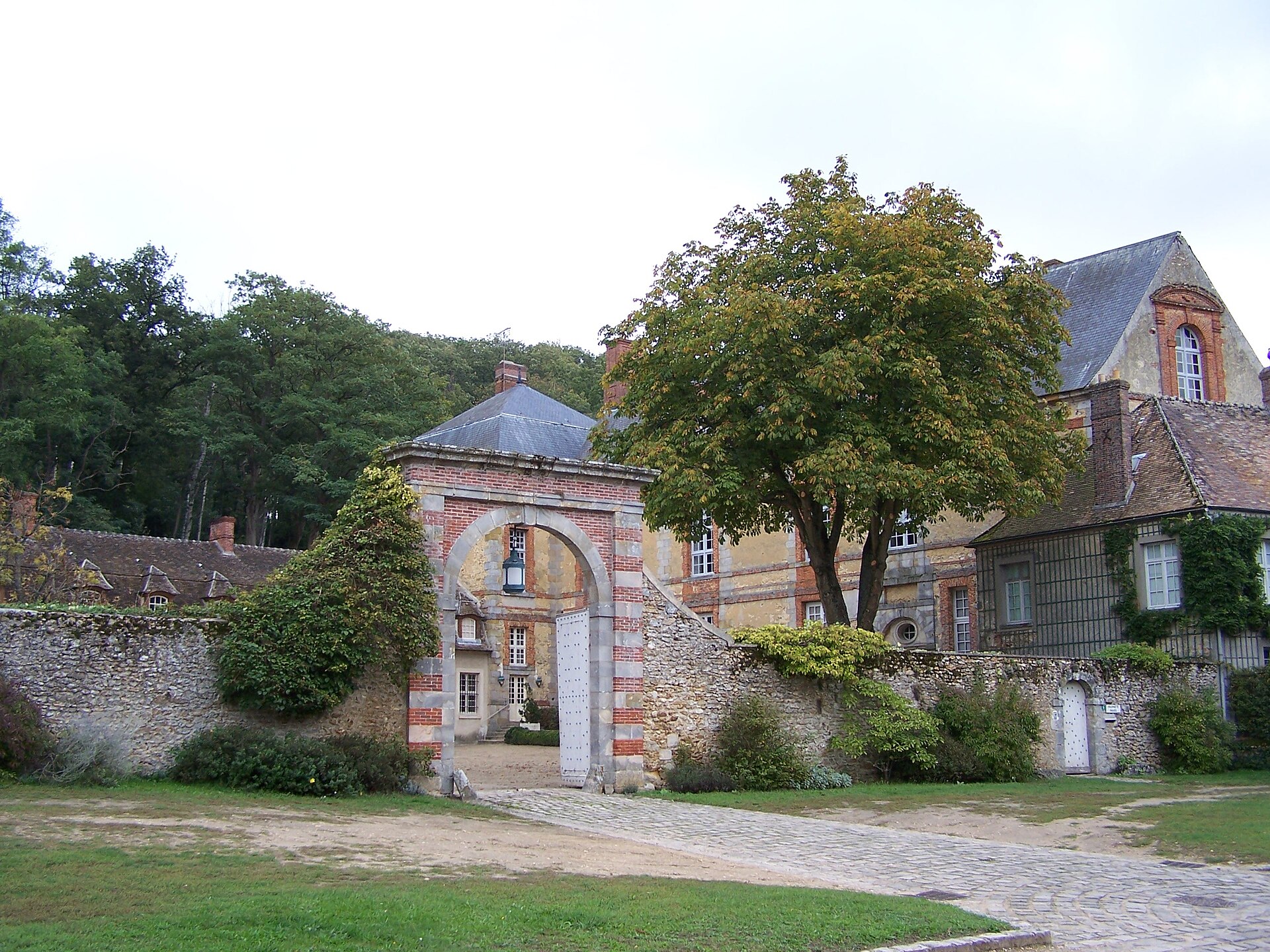
Castles linked to the history of royal hunting and venery, to discover around Saint-Hubert Day (3 November)
Saint-Hubert: five castles that tell the story of royal hunting and venery, from Montpoupon to Folembray
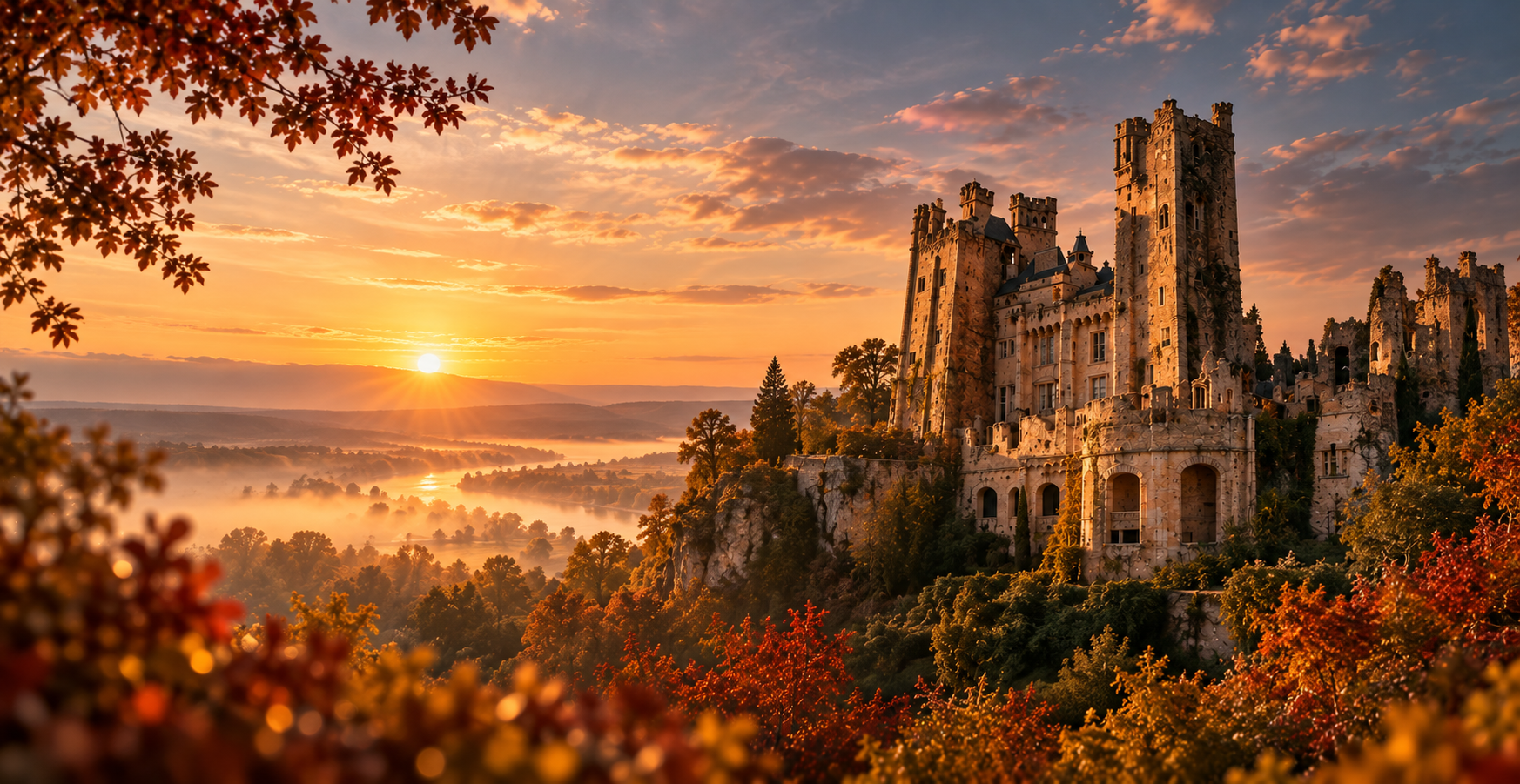
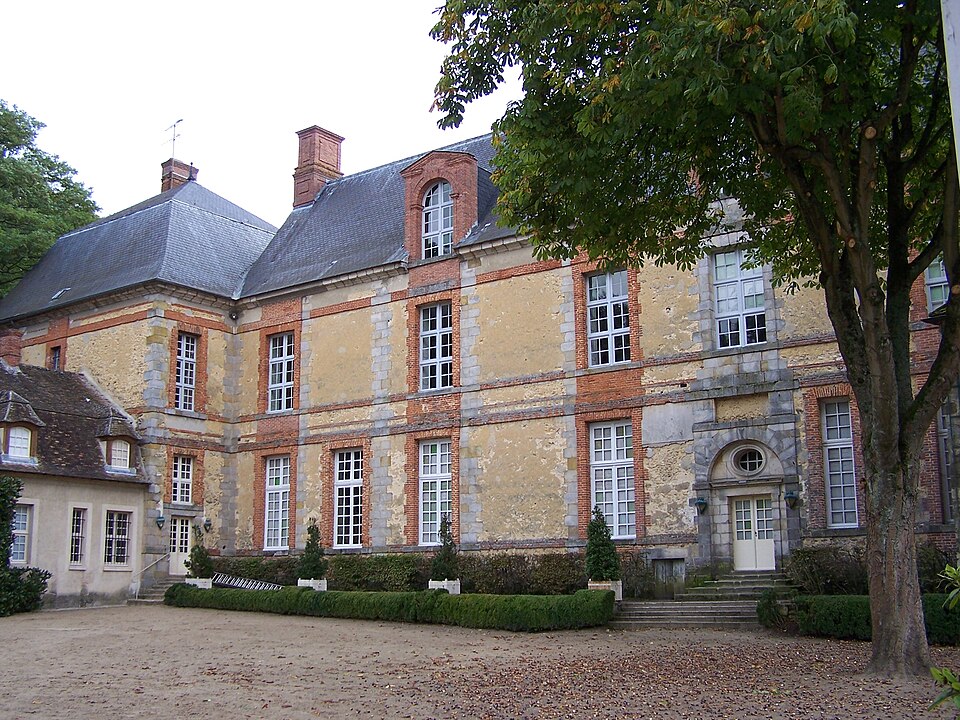
Before the Saint-Hubert celebrations on 3 November, five castles to explore how hunting shaped architectural and seigneurial life: the Musée du Veneur at Montpoupon, the antler-clad La Celle-les-Bordes, Bonnelles, Chambord and Folembray.
Editorial journal · Carte des Châteaux ·
On 3 November, Saint-Hubert Day commemorates the patron saint of hunters, the Bishop of Liège who died in 727. Beyond the practice itself—now widely debated—hunting has left an indelible mark on French castle heritage: kings built palaces for stag hunting, families adorned their walls with stag antlers, and hunting parties sustained entire estates until the eve of the Second World War. Five sites trace this legacy, from the vanished royal palace in Aisne to the Touraine museum dedicated to venery, via the Rambouillet forest where a duchess led her pack for half a century.
Folembray: preserved in paint
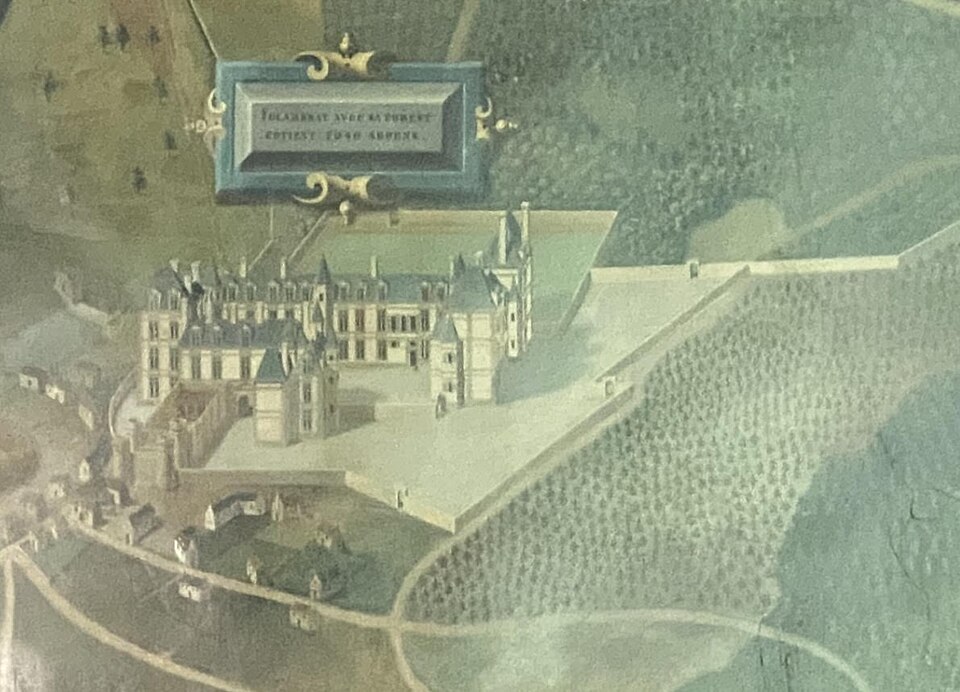
In the early 17th century, the Gallery of Stags at Fontainebleau received a series of painted views of royal houses, including Folembray. Alongside Du Cerceau’s engravings, this artwork is among the few records that depict the hunting palace before its demolition in 1672.
Planning your visit around Saint-Hubert Day
Read next
 Histoire et patrimoine
Gaston Fébus, le comte-soleil : de Foix à Montaner, les forteresses d'un prince des Pyrénées
 Historical portrait of Diane de Poitiers through the castles she owned, transformed or inhabited
Diane de Poitiers in five castles: from Saint-Vallier to Anet, tracing the footsteps of Henri II’s favourite
 History of Coucy Castle, from the House of Coucy to its destruction in 1917
Coucy: the tallest keep in the West and its destruction in 1917
 Two-day romantic weekend in the châteaux of Loir-et-Cher, from Chaumont-sur-Loire to Cheverny
Romantic weekend in Loir-et-Cher: Chaumont, Blois, Chambord and Cheverny
Sources