En un regard
Le château en bref
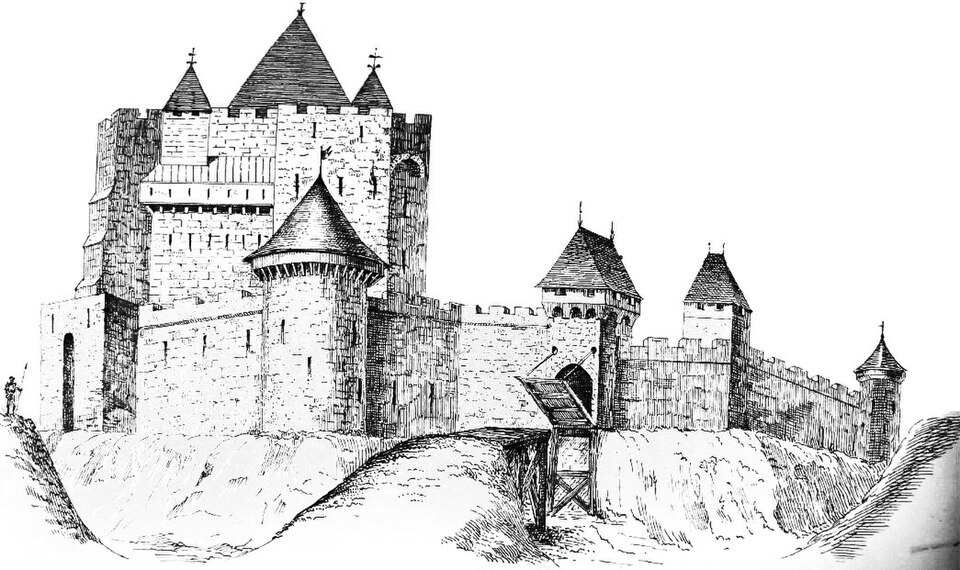
The Citadel of Calais is a bastioned fortification with a square plan, whose construction was decided in 1560 under François II, in the aftermath of the town's recapture from the English. Work began in 1564 under the direction of the engineer Jean Errard, from Bar-le-Duc, and on one of its fronts it incorporated the town's former medieval castle. Henri IV continued work on the citadel and on the town walls, and had a chapel built there. Between 1630 and 1640, under Louis XIII and Richelieu, the engineer d'Argencourt reworked the ramparts and added a square arsenal, flour mills and bread ovens. After Louis XIV took Gravelines in 1658, Calais lost much of its strategic importance, but Vauban took up the work from 1677 and removed the medieval castle that remained within one of the bastions; these works were completed around 1690. In the nineteenth century, the citadel housed a barracks for about a thousand men, with cisterns, powder and provision stores, stables and a casemated shelter. The Second World War and the reconstruction of 1940–1950 destroyed most of the interior buildings and many of the ramparts. What survives is the town wall, its water-filled moats and the Porte de Neptune, which is listed as a historic monument.