Château de Champtoceaux, Orée d'Anjou

Orée d'Anjou Maine-et-Loire

Château de Champtoceaux

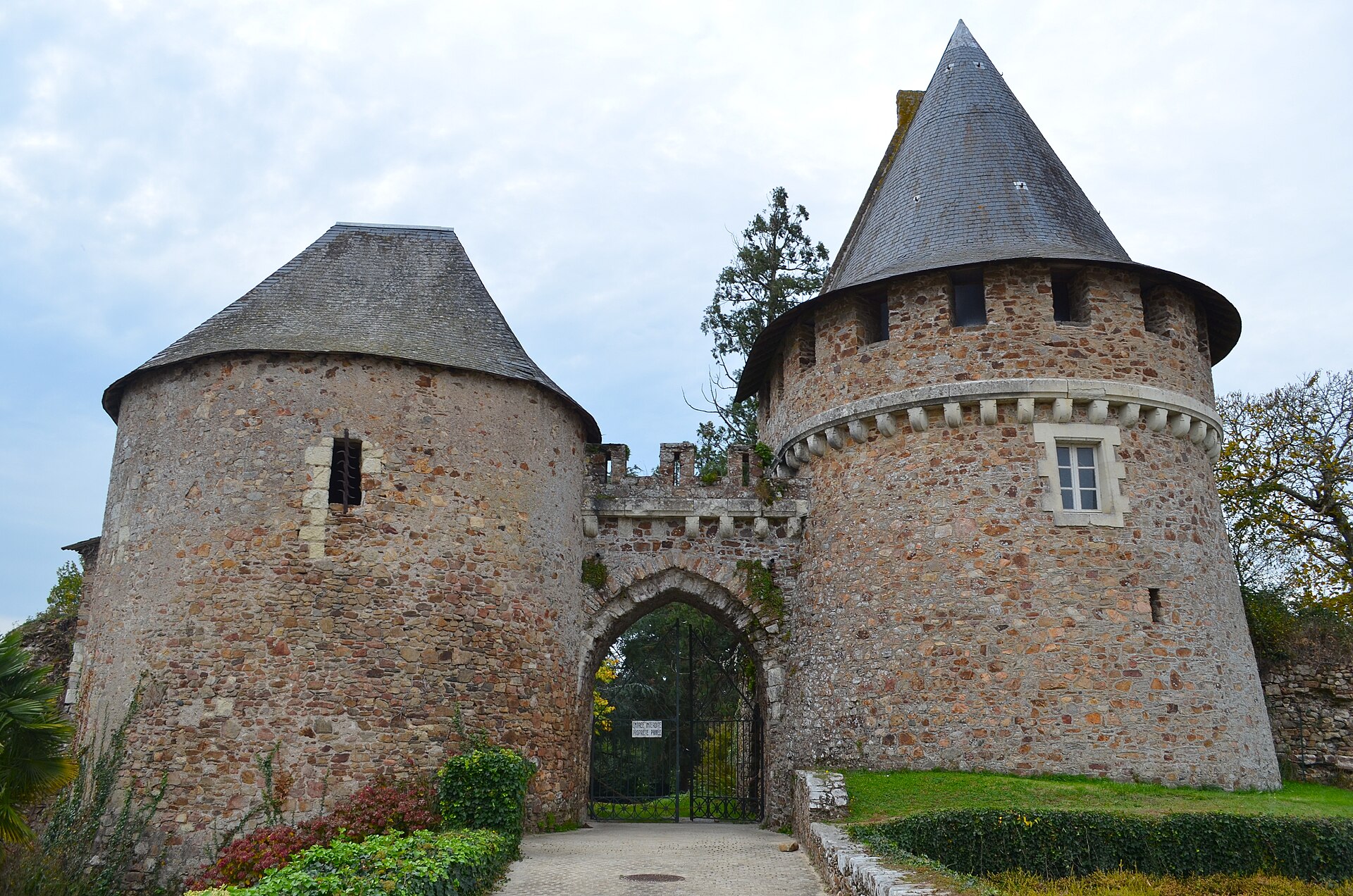
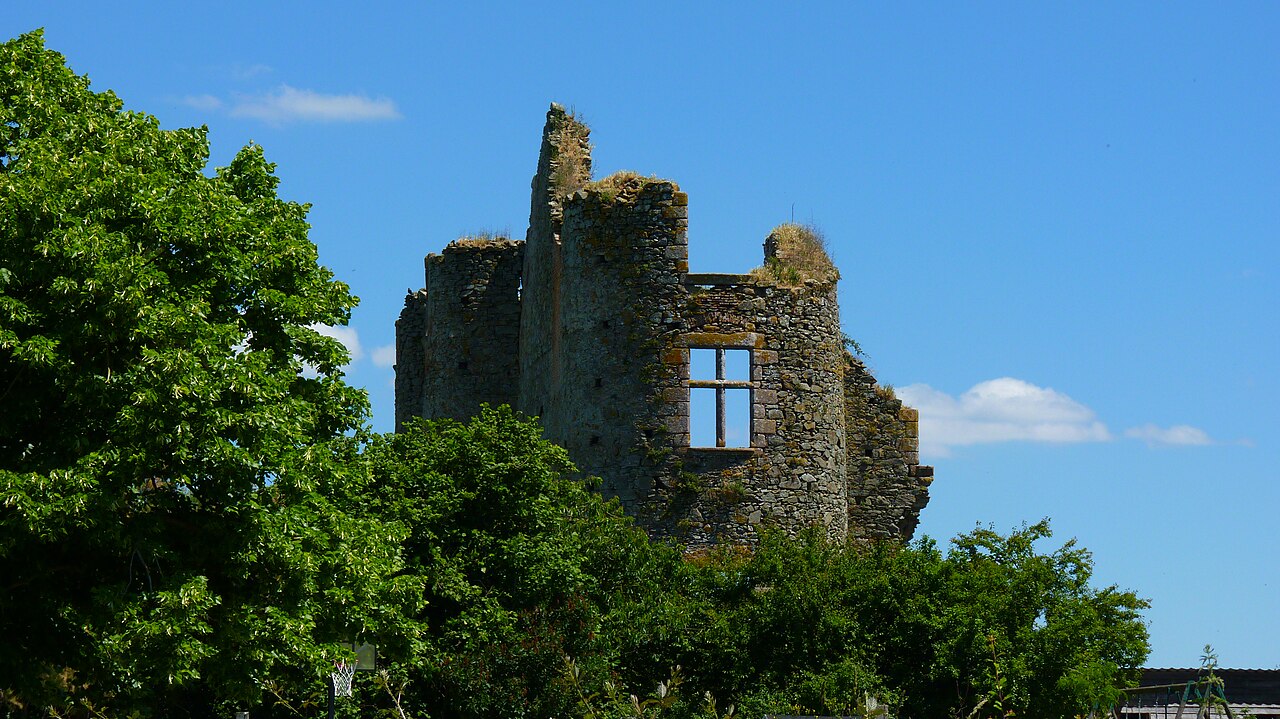
The castle and walled town of Champtoceaux are the ruins of a fortified complex in Maine-et-Loire, France, destroyed on the orders of John V of Brittany in 1420.

Époque
990–1000
Style
médiéval
Préparer la visite
Photo : Selbymay · CC BY-SA 3.0 Proposer votre photo

En un regard

Le château en bref

The castle and walled town of Champtoceaux are the ruins of a fortified complex in Maine-et-Loire, France, destroyed on the orders of John V of Brittany in 1420. The site was occupied as early as the Neolithic, and traces of buildings from the Roman Empire have been found there. Gregory of Tours mentions a castrum there in the 6th century. Located in the March of Brittany, Champtoceaux, then called Châteauceaux, lay in the 10th century on the border between the spheres of influence of the Dukes of Brittany, the Counts of Anjou and the Counts of Poitou. A fortress was built there that changed hands many times until the 15th century, withstanding nine sieges. John V of Brittany was taken prisoner there in 1420, in a conflict that combined rivalries between noble families of Brittany, a struggle for influence between the Kingdom of France and Burgundy, and the Hundred Years' War. Once freed, John V ordered the complete destruction of Champtoceaux. A new town then grew up to the east of the ruins, whose reoccupation was forbidden. Left as they were, the ruins became the subject of historical studies from the 19th century. William Turner painted them during his journey along the Loire in 1826. Now a place for walks, the site was registered as a historic monument in 2009.

Époque de construction
990–1000
Style architectural
médiéval
Localisation
Orée d'Anjou, MAINE-ET-LOIRE
État
En ruine

Récit

Une histoire à travers les siècles

Le récit

L’histoire de Château de Champtoceaux

Site occupé dès le Néolithique ; un castrum y est signalé au VIe siècle. Une forteresse y est édifiée vers la fin du Xe siècle par Renaud de Thuringe aux confins breton, angevin et poitevin. La place subit neuf sièges du XIIe au XVe siècle. Après sa capture, Jean V de Bretagne ordonne en 1420 la destruction de la ville fortifiée ; une nouvelle ville naît ensuite au sud-est.

L’architecture

Ce qu’il faut observer

Site d'une vingtaine d'hectares : trois enclos de remparts, bourg castral, basse-cour, château avec deux mottes, chapelle castrale et souterrain.

Les grandes heures

Événements marquants

  • Destruction de la ville close

Chronologie

Les étapes de construction

Les campagnes documentées qui ont façonné le monument, période par période.

Moyen Âge

  1. 1420

    Construction

    Datation normalisée depuis descriptionCastle.

Figures historiques

Ils ont marqué Château de Champtoceaux

Les femmes et les hommes documentés dans l’histoire du lieu. Ouvrez une ligne pour en savoir plus et retrouver les autres demeures qui leur sont associées.

Informations pratiques

Préparer sa visite

Conditions de visite non renseignées

Nous n’avons pas encore d’information vérifiée sur l’ouverture au public. Renseignez-vous auprès du site officiel ou de la mairie avant de vous déplacer.

Vous l’avez visité ?

Partagez vos photos

Après relecture, votre photo illustrera cette fiche, créditée à votre nom. Haute définition bienvenue, jusqu’à 40 Mo.

Propriétaires et gestionnaires

Vous gérez Château de Champtoceaux ?

Horaires, tarifs et réservation manquent encore sur cette fiche. Transmettez-les et mettez le château en avant auprès des visiteurs qui préparent leur venue.

Nearby

Découvrir les alentours

View all castles →

Other castles in the same region

Patrimoine à proximité