Château de Pinceloup, Sonchamp

Sonchamp Yvelines

Château de Pinceloup

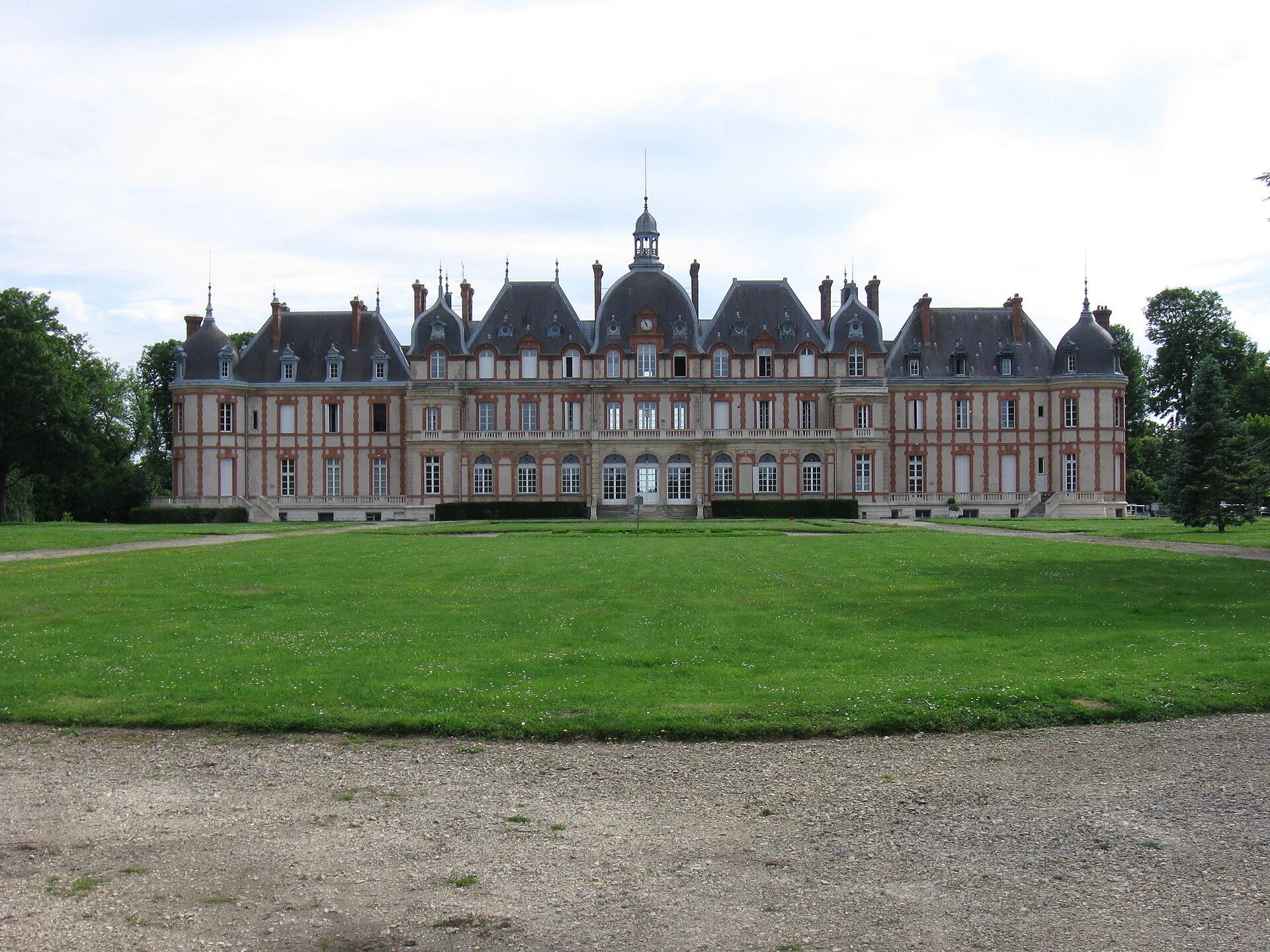
The Château de Pinceloup is an early 17th-century château, remodelled at the very beginning of the 20th century.

Époque
XVIIᵉ siècle (1601)
Préparer la visite
Photo : Thor19 · CC BY-SA 3.0 Proposer votre photo

En un regard

Le château en bref

The Château de Pinceloup is an early 17th-century château, remodelled at the very beginning of the 20th century. It is located in Sonchamp, in the south of the Yvelines department, not far from Rambouillet. It was in fact a 17th-century building, enlarged in the 18th century for François Prévost, notary to King Louis XVI. The combination of brick and stone is typical of the early 17th century. The central pavilion with its lantern turret is particularly remarkable. The estate was bought around 1897 by Eugène Thome, a wealthy public works contractor who had worked with Adolphe Alphand and Baron Haussmann under the reign of Emperor Napoleon III. The château was renovated from 1901 to 1903. It is said that the building has 365 windows. The riding house and its interiors were registered as a monument historique in 2005. In 1958 it became a property of the Seine department, and it has since housed the École Le Nôtre, a school for young people facing difficulties, which prepares them for careers in the hotel and catering trades, horticulture and the building trades.

Époque de construction
XVIIᵉ siècle (1601)
Localisation
Sonchamp, YVELINES
Usage actuel
école Le Nôtre (formation aux métiers de l'hôtellerie-restauration, de l'horticulture et du bâtiment)

Récit

Une histoire à travers les siècles

Le récit

L’histoire de Château de Pinceloup

Château du début du XVIIe siècle, agrandi au XVIIIe siècle pour François Prévost, notaire de Louis XVI. Eugène Thome, entrepreneur de travaux publics collaborateur d'Alphand et d'Haussmann, l'achète vers 1897 et le reprend en 1901-1903. Propriété du département de la Seine depuis 1958, il abrite une école Le Nôtre pour jeunes en difficulté.

L’architecture

Ce qu’il faut observer

Association de brique et pierre typique du premier XVIIe siècle ; pavillon central à lanternon ; on lui attribue 365 fenêtres.

Chronologie

Les étapes de construction

Les campagnes documentées qui ont façonné le monument, période par période.

Grand Siècle & Lumières

  1. début du XVIIe siècle

    Construction

    Château en brique et pierre avec pavillon central à lanternon.

  2. XVIIIe siècle

    Extension

    Agrandi pour François Prévost, notaire de Louis XVI.

Figures historiques

Ils ont marqué Château de Pinceloup

Les femmes et les hommes documentés dans l’histoire du lieu. Ouvrez une ligne pour en savoir plus et retrouver les autres demeures qui leur sont associées.

Informations pratiques

Préparer sa visite

Conditions de visite non renseignées

Nous n’avons pas encore d’information vérifiée sur l’ouverture au public. Renseignez-vous auprès du site officiel ou de la mairie avant de vous déplacer.

Vous l’avez visité ?

Partagez vos photos

Après relecture, votre photo illustrera cette fiche, créditée à votre nom. Haute définition bienvenue, jusqu’à 40 Mo.

Propriétaires et gestionnaires

Vous gérez Château de Pinceloup ?

Horaires, tarifs et réservation manquent encore sur cette fiche. Transmettez-les et mettez le château en avant auprès des visiteurs qui préparent leur venue.

Nearby

Découvrir les alentours

View all castles →

Other castles in the same region

Patrimoine à proximité