Scherwiller Bas-Rhin

Château de Ramstein

The Château de Ramstein is a ruined fortified castle in the commune of Scherwiller, in the Bas-Rhin.

Époque
XIIIᵉ siècle (1293)

En un regard

Le château en bref

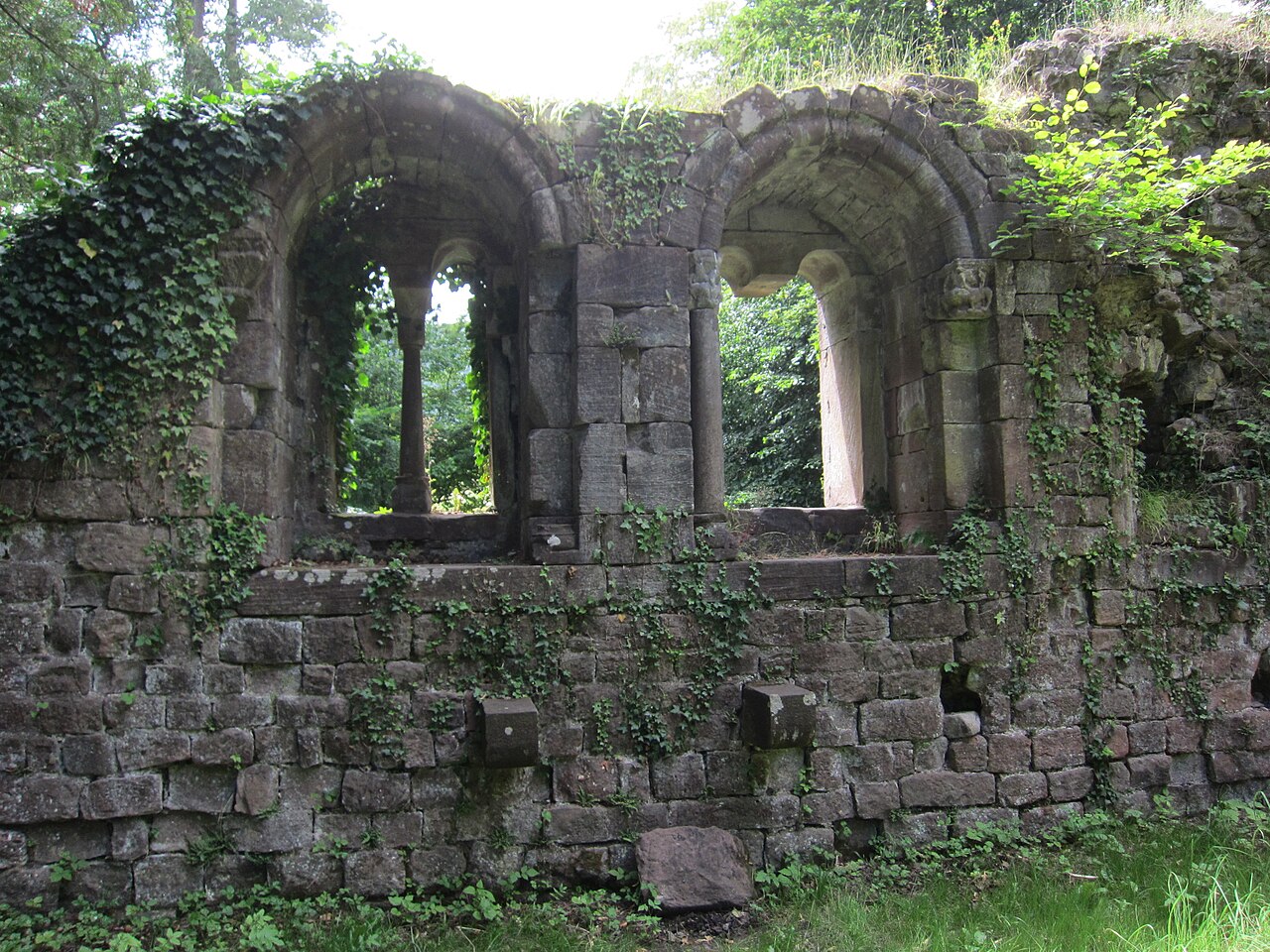
The Château de Ramstein is a ruined fortified castle in the commune of Scherwiller, in the Bas-Rhin. Probably built at the end of the 13th century by Otto IV of Ochsenstein, Ramstein passed in the early 14th century into the hands of the Habsburgs, and then of the Counts of Württemberg in the second half of that century. The only siege it seems to have undergone in the Middle Ages, during the Dachstein War, ended with its sacking by the people of Strasbourg. After being repaired, it remained inhabited at least until the first half of the 16th century, but was definitively abandoned after being set on fire by the Swedes in 1633. Long considered to have been built to attack the castle of Ortenberg, Ramstein was presented as the very archetype of the siege castle in most publications from 1898 to the late 1990s. However, new research carried out in the early 21st century has seriously undermined this claim, showing that its location is poorly suited to such a use, whereas more favourable sites were available. The main surviving feature of Ramstein is its imposing residential tower, although only the north wall and part of the east wall remain. The rest of the castle is rather poorly preserved, but the major clearance and restoration efforts undertaken since the early 21st century have made it possible to reveal once again the outline of much of the outer bailey's enclosure wall and of the walls of the fausse-brayes.

Époque de construction
XIIIᵉ siècle (1293)
Localisation
Scherwiller, BAS-RHIN

Récit

Une histoire à travers les siècles

Le récit

L’histoire de Château de Ramstein

Construit vers 1293, probablement par Otto IV d'Ochsenstein, le château de Ramstein passe dès le début du XIVe siècle aux Habsbourg puis aux comtes de Wurtemberg. Il subit son unique siège médiéval documenté durant la guerre de Dachstein (1419-1422), avant d'être abandonné après son incendie par les Suédois en 1633.

Lire la suiteRéduire

Classé monument historique en 1924 avec le château voisin de l'Ortenbourg, propriété de la commune de Scherwiller, il fait l'objet depuis 2002 de travaux de dégagement et de restauration menés par des bénévoles réunis depuis 2009 au sein de l'association Les Veilleurs du Ramstein.

L’architecture

Ce qu’il faut observer

Le principal vestige du Ramstein est son imposante tour-habitat, dont ne subsistent que le mur nord et une partie du mur oriental. Les efforts de restauration engagés depuis le début des années 2000 ont permis de redégager le tracé d'une grande partie de l'enceinte de la basse-cour et des murs des fausses-braies.

Chronologie

Les étapes de construction

Les campagnes documentées qui ont façonné le monument, période par période.

Moyen Âge

  1. vers 1293

    ÉvolutionDatation à confirmer

    Construction probable par Otto IV d'Ochsenstein, à l'extrémité sud du Rittersberg (390 m d'altitude), en lien avec le siège du château voisin de l'Ortenbourg durant l'été 1293.

  2. 1419-1422 (guerre de Dachstein)

    ÉvolutionDatation à confirmer

    Seul siège médiéval documenté du château, durant le conflit opposant la ville de Strasbourg à une coalition de nobles alsaciens alliés à l'évêque de Strasbourg.

Informations pratiques

Préparer sa visite

Conditions de visite non renseignées

Nous n’avons pas encore d’information vérifiée sur l’ouverture au public. Renseignez-vous auprès du site officiel ou de la mairie avant de vous déplacer.

Vous l’avez visité ?

Aucune photo pour l’instant : partagez la vôtre

Après relecture, votre photo illustrera cette fiche, créditée à votre nom. Haute définition bienvenue, jusqu’à 40 Mo.

Propriétaires et gestionnaires

Vous gérez Château de Ramstein ?

Horaires, tarifs et réservation manquent encore sur cette fiche. Transmettez-les et mettez le château en avant auprès des visiteurs qui préparent leur venue.

Nearby

Découvrir les alentours

View all castles →

Other castles in the same region

Patrimoine à proximité