
Saint-Pierre Bas-Rhin

Château d'Ittenwiller

Founded in 1115 as an Augustinian priory on a site of Gallo-Roman occupation, the Ittenwiller estate was devastated during the Peasants' War and then restored in the 16th and 17th centuries under the authority of the Bishopric of Strasbourg.

Époque
XIᵉ siècle (1100)

En un regard

Le château en bref

Founded in 1115 as an Augustinian priory on a site of Gallo-Roman occupation, the Ittenwiller estate was devastated during the Peasants' War and then restored in the 16th and 17th centuries under the authority of the Bishopric of Strasbourg. Acquired in 1808 by General de Coehorn, ancestor of the Counts of Andlau, it was converted into a château in 1838 by the architect Jehu, who added three round towers and a square tower. Listed as a historic monument in 1937 for its façades, enclosure wall, Romanesque portal and Renaissance well, the château, still inhabited by the Andlau family, is now associated with Maison Willm for the operation of its vineyard, one of the oldest in Alsace, cultivated without interruption for more than eight centuries.

Époque de construction
XIᵉ siècle (1100)
Localisation
Saint-Pierre, BAS-RHIN

Récit

Une histoire à travers les siècles

Le récit

L’histoire de Château d'Ittenwiller

Fondé en 1115 comme prieuré augustinien sur un site d'occupation gallo-romaine, le domaine d'Ittenwiller fut dévasté pendant la guerre des Paysans puis restauré aux XVIe et XVIIe siècles sous l'autorité de l'évêché de Strasbourg. Acquis en 1808 par le général de Coehorn, ancêtre des comtes d'Andlau, il fut transformé en château en 1838 par l'architecte Jehu, qui y ajouta trois tours rondes et une tour carrée.

Lire la suiteRéduire

Inscrit monument historique en 1937, il appartient toujours à la famille d'Andlau et abrite l'un des plus anciens vignobles d'Alsace, cultivé sans interruption depuis plus de huit siècles.
L’architecture

Ce qu’il faut observer

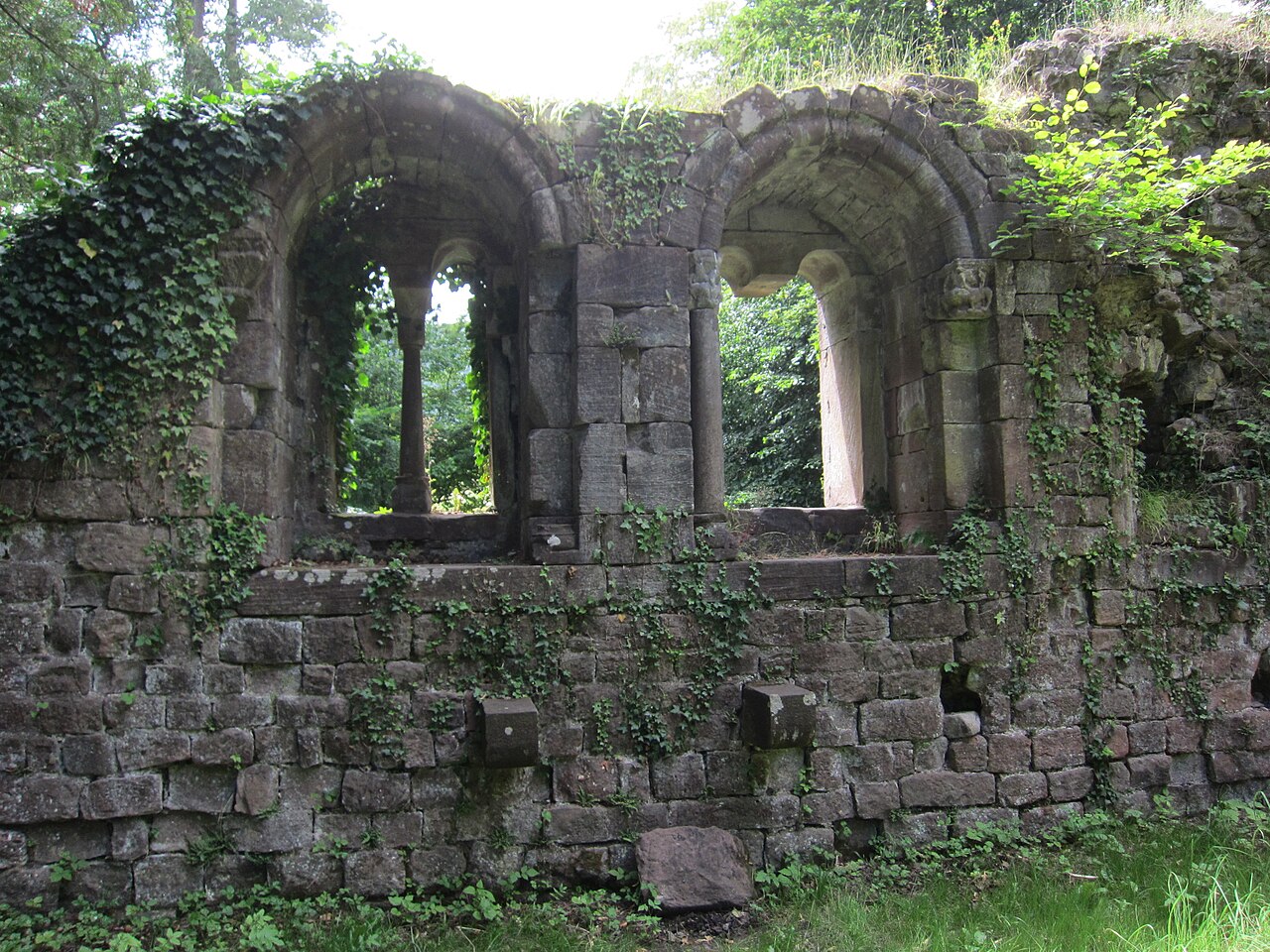
Le domaine forme un ensemble composite : bâtiment principal remanié en 1838 dans un style néo-médiéval, vestiges d'une enceinte fortifiée percée de meurtrières, portail roman, puits Renaissance et fossés franchis par des ponts.

Chronologie

Les étapes de construction

Les campagnes documentées qui ont façonné le monument, période par période.

Moyen Âge

  1. 1115

    ÉvolutionDatation à confirmer

    Fondation d'un prieuré augustinien par le chanoine Conrad, près de la chapelle Sainte-Christine, sur un site d'occupation gallo-romaine.

Informations pratiques

Préparer sa visite

Conditions de visite non renseignées

Nous n’avons pas encore d’information vérifiée sur l’ouverture au public. Renseignez-vous auprès du site officiel ou de la mairie avant de vous déplacer.

Vous l’avez visité ?

Aucune photo pour l’instant : partagez la vôtre

Après relecture, votre photo illustrera cette fiche, créditée à votre nom. Haute définition bienvenue, jusqu’à 40 Mo.

Propriétaires et gestionnaires

Vous gérez Château d'Ittenwiller ?

Horaires, tarifs et réservation manquent encore sur cette fiche. Transmettez-les et mettez le château en avant auprès des visiteurs qui préparent leur venue.

Nearby

Découvrir les alentours

View all castles →

Other castles in the same region

Patrimoine à proximité