Hinterer Wartenberg Ruin, Muttenz

Muttenz canton de Bâle-Campagne Suisse

Hinterer Wartenberg Ruin

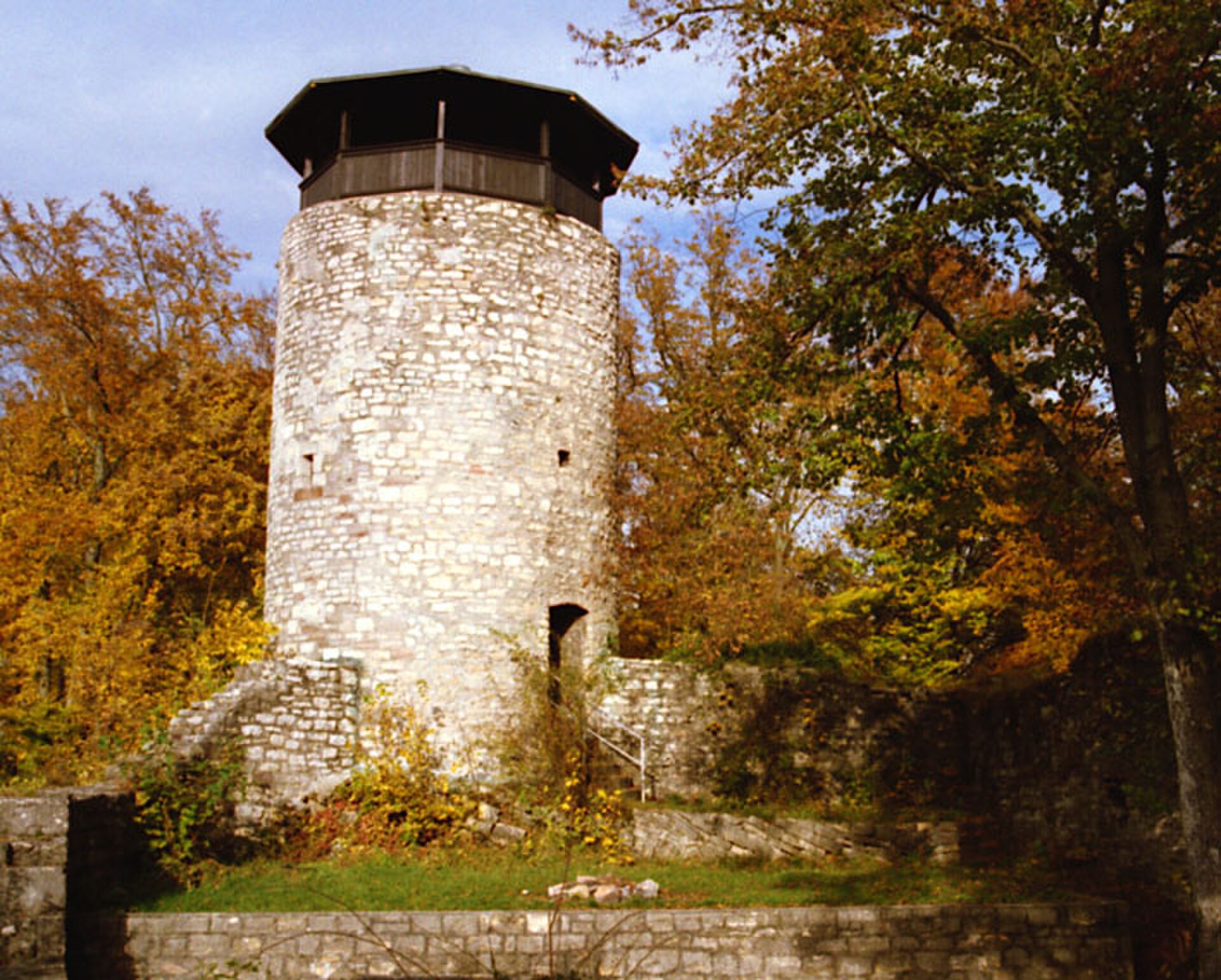
The Hinterer Wartenberg is the southernmost of the three fortresses that succeed one another along the Wartenberg ridge, east of the village of Muttenz, in the canton of Basel-Country.

Époque
Moyen Âge central
Style
château à enceinte, roman
Préparer la visite
Photo : Armin Schweizer · Public domain Proposer votre photo

En un regard

Le château en bref

The Hinterer Wartenberg is the southernmost of the three fortresses that succeed one another along the Wartenberg ridge, east of the village of Muttenz, in the canton of Basel-Country. These three castles bear no proper name of their own: they are told apart only by their position, vorderer, mittlerer and hinterer, and their silhouette has become one of the emblems of the municipality. Founded in the twelfth century and inhabited until the fifteenth century, the rear burg is linked to members of the Frohburg kindred before being abandoned, like its neighbours. Its profile is recognisable by the round keep, which can be climbed, and by the palas, a large reception building erected at the southern end of the enclosure. The hill regained strategic value during the Second World War, as military works still attest. Today the ruin can be visited freely. The Gesellschaft pro Wartenberg maintains it and has laid out a viewing terrace against the eastern wall, from which the eye takes in Muttenz and its surroundings. The site is among the objects of regional importance protected in the canton.

Époque de construction
Moyen Âge central
Style architectural
château à enceinte, roman
Localisation
Muttenz, canton de Bâle-Campagne
Usage actuel
Ruine ouverte au public, belvédère

Récit

Une histoire à travers les siècles

Le récit

L’histoire de Hinterer Wartenberg Ruin

Le Hinterer Wartenberg, au-dessus de Muttenz, est le plus reculé des trois châteaux de la crête. Élevé au XIIe ou plus probablement au XIIIe siècle, sans doute par les comtes de Homberg (branche des Frohburg), il apparaît dans les textes en 1306 lorsque les Habsbourg-Laufenbourg l'acquièrent.

Lire la suiteRéduire

Les Eptingen-Madeln le tiennent en fief, puis les Sevogel de Bâle dès 1379. En 1470 il est un Burgstall, abandonné. La ville de Bâle achète la ruine en 1515 ; elle appartient depuis 1856 à la bourgeoisie de Muttenz. La tour est sécurisée en 1901 et transformée en belvédère ; des restaurations suivent en 1936 et 1956. La Gesellschaft pro Wartenberg, fondée en 1950, entretient le site.
L’architecture

Ce qu’il faut observer

Château à enceinte adapté au relief : la pente protège trois côtés, un fossé taillé dans le roc ferme le nord. Une tour ronde de 6,2 m de diamètre déborde de l'enceinte au nord ; au sud, un grand palas comptait salle de représentation, appartements et chambres de service. La porte est actuelle est une reconstitution de 1936.

Informations pratiques

Préparer sa visite

Conditions de visite non renseignées

Nous n’avons pas encore d’information vérifiée sur l’ouverture au public. Renseignez-vous auprès du site officiel ou de la mairie avant de vous déplacer.

Vous l’avez visité ?

Partagez vos photos

Après relecture, votre photo illustrera cette fiche, créditée à votre nom. Haute définition bienvenue, jusqu’à 40 Mo.

Propriétaires et gestionnaires

Vous gérez Hinterer Wartenberg Ruin ?

Horaires, tarifs et réservation manquent encore sur cette fiche. Transmettez-les et mettez le château en avant auprès des visiteurs qui préparent leur venue.