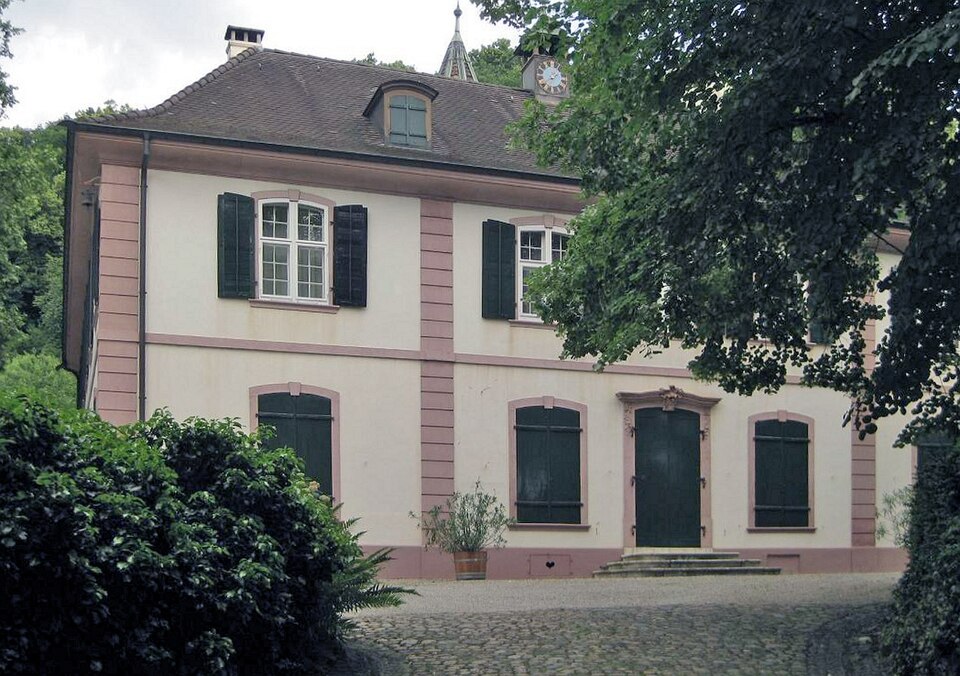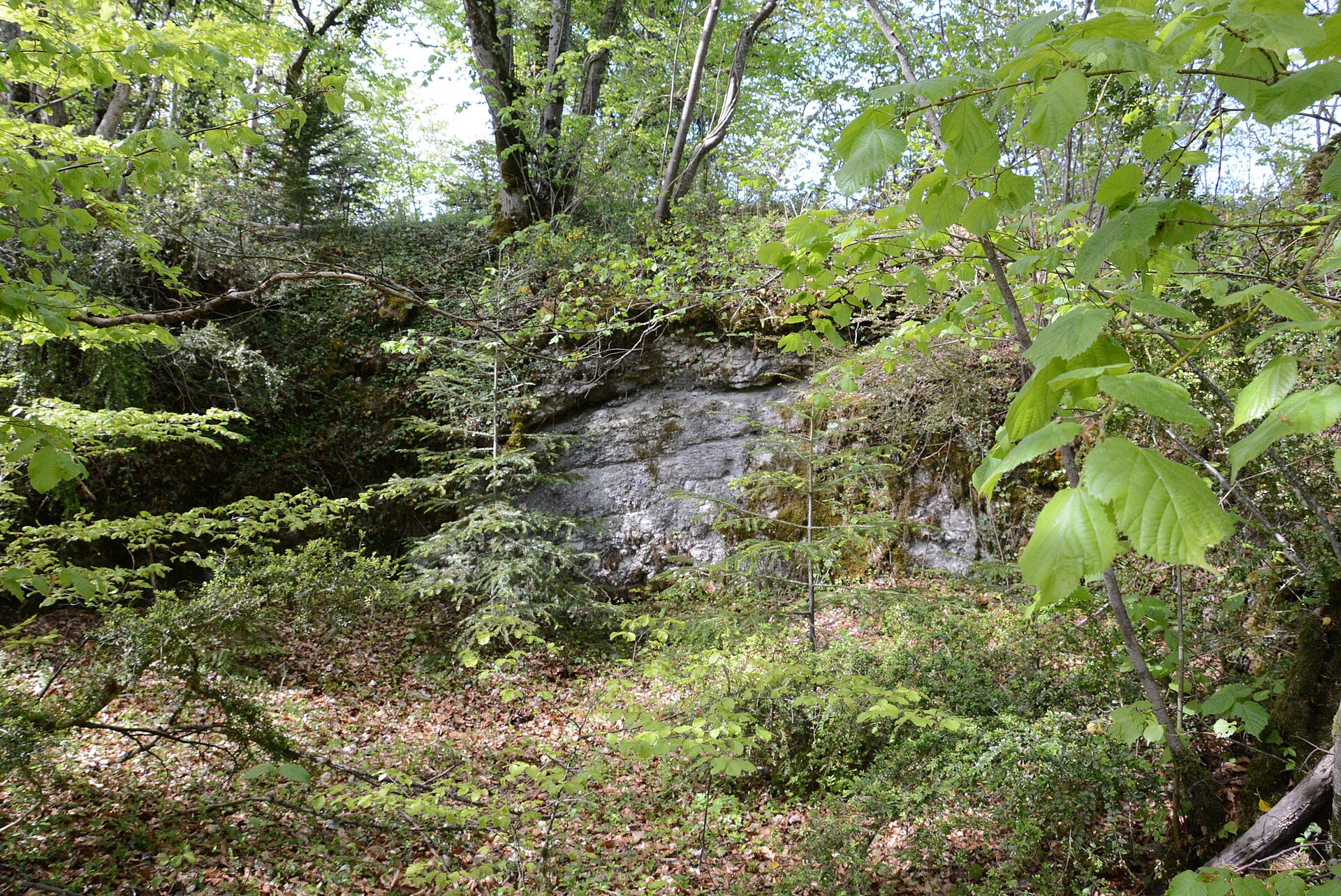
Schönenberg Castle Ruin, La Bourg

La Bourg canton de Bâle-Campagne Suisse

Schönenberg Castle Ruin

The ruins of Schönenberg stand on the rocky ridge that overlooks, to the south, the village of Burg im Leimental, on the French border.

Époque
XIIIe siècle
Style
château d'éperon à fossés multiples
Préparer la visite
Photo : Cyclosa · CC BY-SA 3.0 Proposer votre photo

En un regard

Le château en bref

The ruins of Schönenberg stand on the rocky ridge that overlooks, to the south, the village of Burg im Leimental, on the French border. Built around 1230 by the counts of Ferrette, the castle was granted in fief to their seneschals, one of whom, Werner, is the first to call himself "de Schönenberg" in a deed of 1239. In 1271, when the counts handed over their domain to the Bishop of Basel, the castrum Schonenberc was expressly excluded from it: this is its first mention. This vast fortress, some 160 metres long and divided by five ditches, comprised an outer work to the west, a large lower bailey with a cistern cut into the rock and, to the east, the main core protected by the two deepest ditches; a keep probably occupied the highest point. It was built beside the much older Alt-Biederthal, at roughly the same time as Neu-Biederthal. The Schönenbergs served both the Habsburgs and the bishop. The Basel earthquake of 1356 probably damaged the castle so severely that it was abandoned. Overgrown with vegetation, the ruin remains freely accessible.

Époque de construction
XIIIe siècle
Localisation
La Bourg, canton de Bâle-Campagne
Usage actuel
Ruine en accès libre et gratuit, sans services

Récit

Une histoire à travers les siècles

Le récit

L’histoire de Schönenberg Castle Ruin

Construit vers 1230 par les comtes de Ferrette, qui l'inféodèrent à leurs sénéchaux, le château de Schönenberg (Burg im Leimental) doit son nom à la famille von Schönenberg, dont Werner est cité en 1239. En 1271, lorsque les comtes de Ferrette remettent leur domaine à l'évêque de Bâle, le castrum Schonenberc en est explicitement exclu, ce qui constitue sa première mention.

Lire la suiteRéduire

La famille servit les Habsbourg et l'évêque. Après le séisme de Bâle de 1356, la forteresse aurait été gravement endommagée puis abandonnée.
L’architecture

Ce qu’il faut observer

Ensemble allongé d'environ 160 m divisé par cinq fossés : avant-ouvrage à l'ouest, vaste basse-cour avec citerne-filtre taillée dans le roc (environ 8 m de diamètre) et Hauptburg à l'est protégée par les deux fossés les plus profonds. L'enceinte sud est largement conservée ; au point culminant nord, probable donjon. Fragments de carreaux de poêle de 1230-1260.

Informations pratiques

Préparer sa visite

Conditions de visite non renseignées

Nous n’avons pas encore d’information vérifiée sur l’ouverture au public. Renseignez-vous auprès du site officiel ou de la mairie avant de vous déplacer.

Vous l’avez visité ?

Partagez vos photos

Après relecture, votre photo illustrera cette fiche, créditée à votre nom. Haute définition bienvenue, jusqu’à 40 Mo.

Propriétaires et gestionnaires

Vous gérez Schönenberg Castle Ruin ?

Horaires, tarifs et réservation manquent encore sur cette fiche. Transmettez-les et mettez le château en avant auprès des visiteurs qui préparent leur venue.