Sandegg Castle, canton de Thurgovie

canton de Thurgovie canton de Thurgovie Suisse

Sandegg Castle

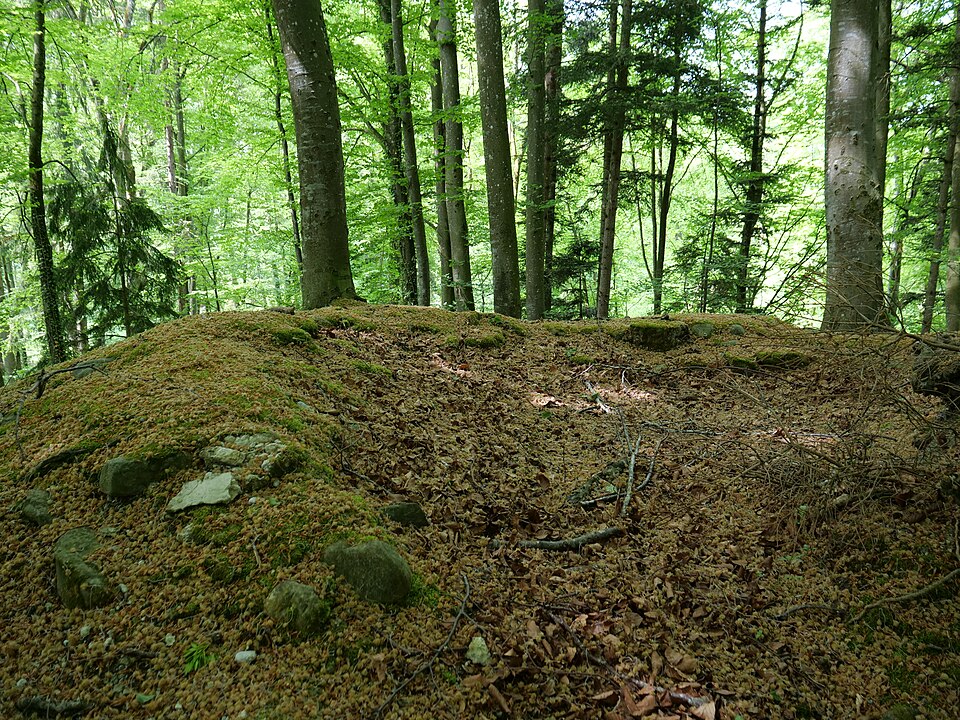
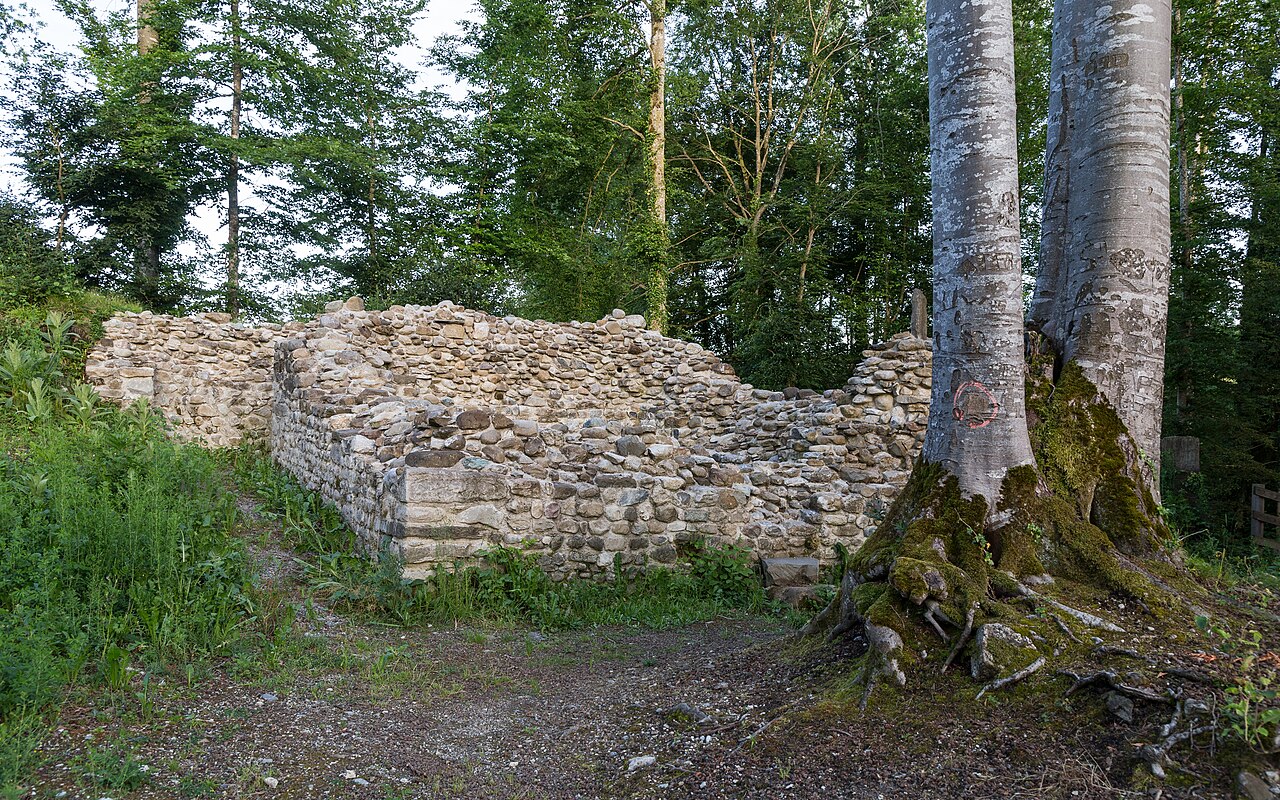
Sandegg Castle, or the Sandegg castle ruin, stood in the municipality of Salenstein in the district of Kreuzlingen, canton of Thurgau, Switzerland.

Époque
XIIIᵉ siècle (1272)
Préparer la visite
Photo : Matthäus Merian · Public domain Proposer votre photo

En un regard

Le château en bref

Sandegg Castle, or the Sandegg castle ruin, stood in the municipality of Salenstein in the district of Kreuzlingen, canton of Thurgau, Switzerland. According to sources from the 15th century, the Frankish landvogt Sintlaz is said to have resided at Sandegg Castle as early as the 8th century. He was a ‘most noble landvogt of the crown of France’, an envoy of the Frankish king Charles Martel. The founding of Reichenau Abbey is also said to have been carried out from Sandegg. Sandegg Castle is documented from the mid-13th century onwards as a possession of Reichenau Abbey. After 1272, the castle was the preferred residence of Abbot Albrecht, whose abbey still lay in ruins following the fire of 1235. Around 1260, the castle is said to have been sold by its then owner, Eberhard von Steckborn, to the Teutonic Order; however, this disputed transaction was reversed a few years later. From 1350 onwards, the impoverished abbey was forced to pledge Sandegg Castle, and numerous changes of ownership followed. In 1402, a castle chapel is first mentioned, which was served by the parish priest of Ermatingen. In 1497, Sandegg was pledged to a wealthy citizen of Constance, as the abbey was evidently still short of money. In 1575, Sandegg, ‘completely ruined and overgrown’, was granted as a fief to a Hans Ulrich Herter. The abbey waived the tithe for a decade on condition that Herter restored the castle to a usable state.

Époque de construction
XIIIᵉ siècle (1272)
Localisation
canton de Thurgovie, canton de Thurgovie
Usage actuel
Ruine fermée au public depuis 2005 en raison du risque d'effondrement ; la terrasse de jardin s'est effondrée à l'automne 2006.

Récit

Une histoire à travers les siècles

Le récit

L’histoire de Sandegg Castle

Attesté par écrit depuis le milieu du XIIIe siècle comme possession de l'abbaye de Reichenau, le château est engagé après 1350 faute de moyens. Une chapelle est mentionnée en 1402 ; en 1497 il est mis en gage auprès d'un bourgeois de Constance et, en 1575, donné en fief à Hans Ulrich Herter dans un état très délabré.

Lire la suiteRéduire

Après des réparations en 1603, les bâtiments s'effondrent en partie en 1663 ; les Jésuites de Constance l'acquièrent en 1671, puis l'abbaye de Muri en 1693 (abbé Plazidus Zurlauben). Passé à des particuliers après 1807 (dont Louise Cochelet et Denis-Charles Parquin), il est détruit par un incendie dans la nuit du 2 au 3 septembre 1833, puis démoli en 1834 par Heinrich von Kiesow. Hippolyt Saurer acquiert les vestiges en 1915. Une tradition du XVe siècle y plaçait au VIIIe siècle le vicomte franc Sintlaz, mais elle n'est pas confirmée.
Chronologie

Les étapes de construction

Les campagnes documentées qui ont façonné le monument, période par période.

Moyen Âge

  1. 1272

    Construction

    Datation normalisée depuis descriptionCastle.

Informations pratiques

Préparer sa visite

Conditions de visite non renseignées

Nous n’avons pas encore d’information vérifiée sur l’ouverture au public. Renseignez-vous auprès du site officiel ou de la mairie avant de vous déplacer.

Vous l’avez visité ?

Partagez vos photos

Après relecture, votre photo illustrera cette fiche, créditée à votre nom. Haute définition bienvenue, jusqu’à 40 Mo.

Propriétaires et gestionnaires

Vous gérez Sandegg Castle ?

Horaires, tarifs et réservation manquent encore sur cette fiche. Transmettez-les et mettez le château en avant auprès des visiteurs qui préparent leur venue.