En un regard
Le château en bref
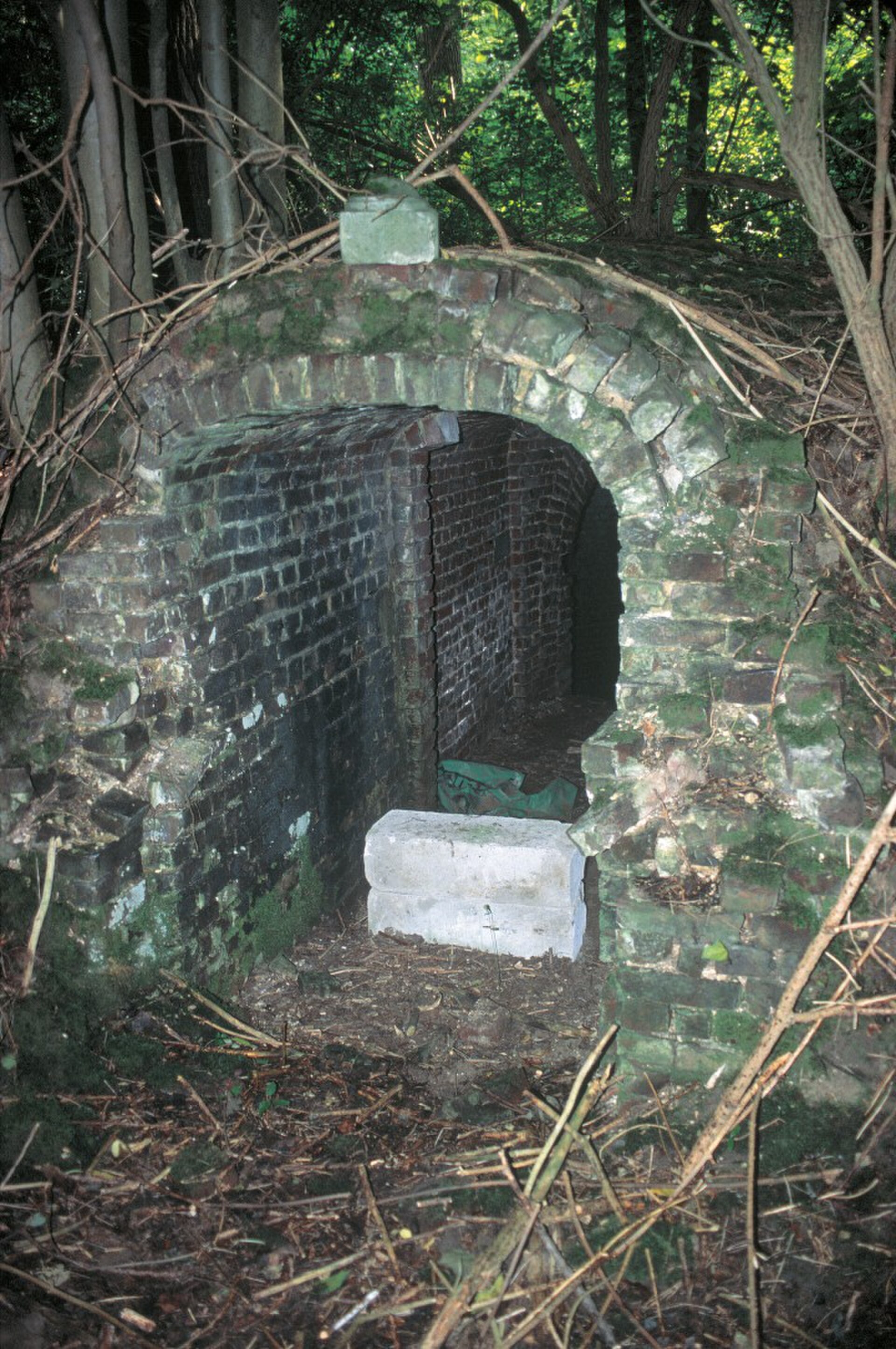
The Puttenberg estate, at number 1 Puttenberg Street in Pepingen (Flemish Brabant), was the seat of a lordship under the Ancien Régime. The site retains circular moats that suggest a medieval origin, but the seventeenth-century pleasure house, surrounded by a modest geometric garden shown on the Ferraris map (1771-1775), is the earliest well-documented state. In 1615 the estate is said to have belonged to the Montpesson family, and later to the de Partz family. Around 1820-1830, Baron Hyacinthe de Partz de Courtray had a Romantic landscape garden laid out at the expense of part of the pleasure garden. Around 1855, the house was renovated and extended; around 1865, Hyacinthe-Emmanuel Camberlyn d'Amougies (1829-1890), mayor of Pepingen, had much of it demolished to build a Neo-Gothic castle. His son Fernand transformed the park into a landscape garden of about 3 hectares around 1900. The Neo-Gothic castle no longer exists; elements of the estate remain, including a nineteenth-century ice house, a walled kitchen garden and a coach house with stables. An engraving by Jean Théodore Joseph Linnig (1853), held in the Rijksmuseum, depicts the ‘Kasteel Puttenberg in Beert’.