
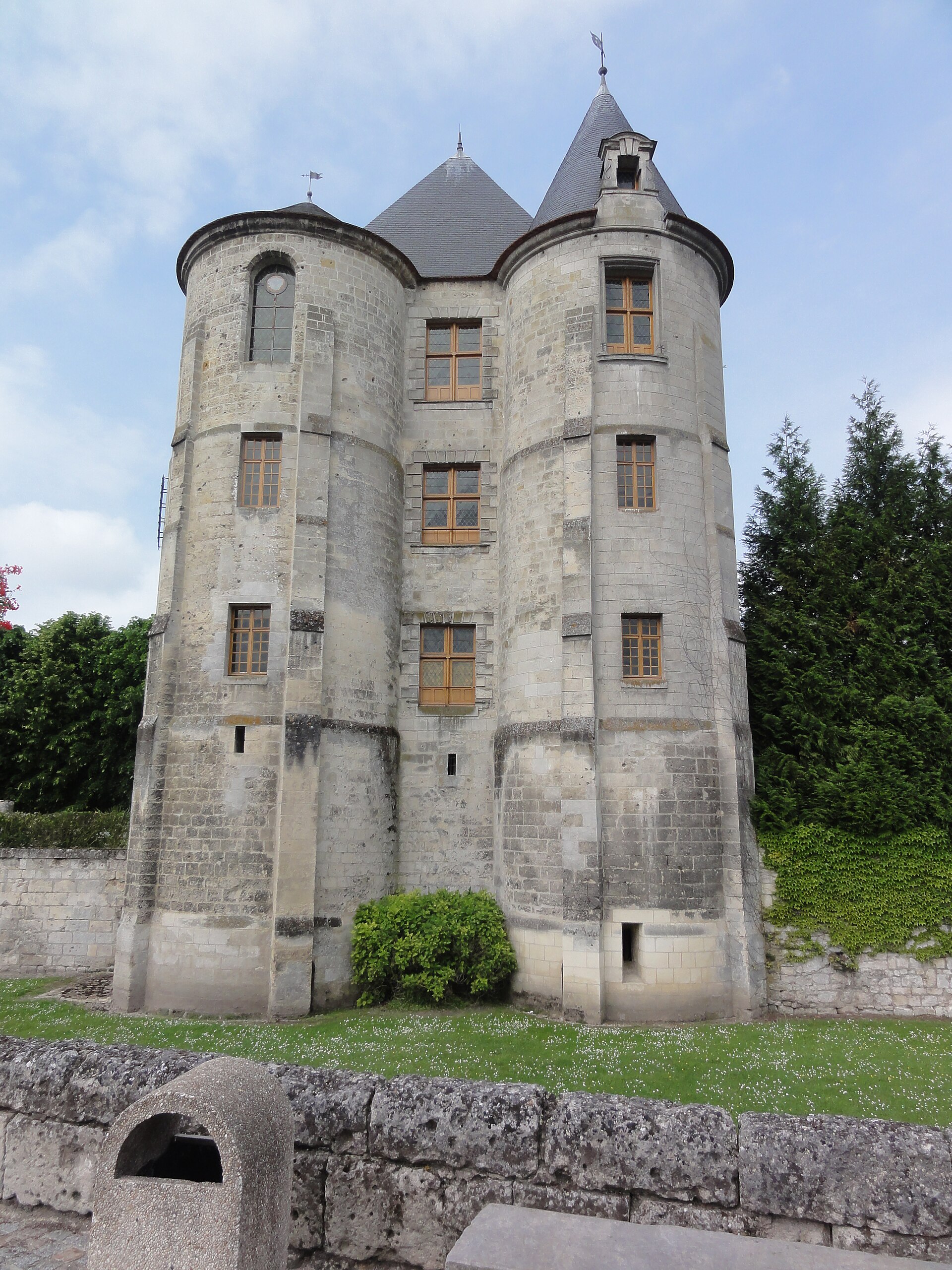
Château de Vic-sur-Aisne

Vic-sur-Aisne Aisne

Château de Vic-sur-Aisne

The Château de Vic-sur-Aisne overlooks the right bank of the Aisne, on a site fortified as early as the early Middle Ages and linked to the Abbey of Saint-Médard in Soissons, which is said to have received this castrum…

Époque
XIIᵉ siècle (1150)
Protection
Monument historique
Préparer la visite

En un regard

Le château en bref

The Château de Vic-sur-Aisne overlooks the right bank of the Aisne, on a site fortified as early as the early Middle Ages and linked to the Abbey of Saint-Médard in Soissons, which is said to have received this castrum around the 9th century. In 893, King Odo confirmed the abbey's possessions and ordered the castle to be repaired; it was then contested between the lords of Coucy, the monks of Saint-Médard and the kings of France. Placed under the protection of the lords of Pierrefonds, who kept a garrison there until the 13th century, the site later became a castellany dependent on Pierrefonds and then a viscounty attached to the counts of Soissons. The keep, about 25 metres high, was built in the 13th century and altered in the 15th and 17th centuries. After the destruction of the Wars of Religion, a residential building (logis) was rebuilt at the end of the 16th century and in the 17th century by the commendatory abbots of Saint-Médard, with reconstruction work documented between 1599 and 1604. Damaged during the First World War, the ensemble was restored between 1990 and 1997. The château is now privately owned and surrounded by a French formal garden with 17th-century statuary and an English landscape park.

Époque de construction
XIIᵉ siècle (1150)
Localisation
Vic-sur-Aisne, AISNE
Protection
Monument historique

Pourquoi le découvrir

Trois raisons de découvrir Château de Vic-sur-Aisne

  1. Donjon du XIIIe siècle haut d'environ 25 mètres, classé monument historique depuis 1919

    Observer l’architecture
  2. Ancien castrum lié à l'abbaye Saint-Médard de Soissons dès le haut Moyen Âge

    Préparer la visite
  3. Jardin à la française avec statuaire en terre cuite du XVIIe siècle

    Observer l’architecture

Récit

Une histoire à travers les siècles

L’architecture

Ce qu’il faut observer

Le château associe un donjon du XIIIe siècle, remanié aux XVe et XVIIe siècles, entouré de douves sèches et d'une enceinte médiévale, à un logis reconstruit à la fin du XVIe et au XVIIe siècle par les abbés commendataires de Saint-Médard. Le domaine comprend également des bâtiments annexes, un jardin à la française orné de statuaire en terre cuite du XVIIe siècle, une construction du XIXe siècle et un parc à l'anglaise.

Lire la suiteRéduire

Le donjon est classé monument historique depuis 1919 ; les façades sur le parc, l'enceinte médiévale, les pavillons d'entrée, les bâtiments des XVIIe-XVIIIe siècles et le parc avec sa statuaire sont inscrits (1927 et 1992).

Informations pratiques

Préparer sa visite

Conditions de visite non renseignées

Nous n’avons pas encore d’information vérifiée sur l’ouverture au public. Renseignez-vous auprès du site officiel ou de la mairie avant de vous déplacer.

Vous l’avez visité ?

Partagez vos photos

Après relecture, votre photo illustrera cette fiche, créditée à votre nom. Haute définition bienvenue, jusqu’à 40 Mo.

Propriétaires et gestionnaires

Vous gérez Château de Vic-sur-Aisne ?

Horaires, tarifs et réservation manquent encore sur cette fiche. Transmettez-les et mettez le château en avant auprès des visiteurs qui préparent leur venue.

Nearby

Découvrir les alentours

View all castles →

Other castles in the same region

Patrimoine à proximité