En un regard
Le château en bref
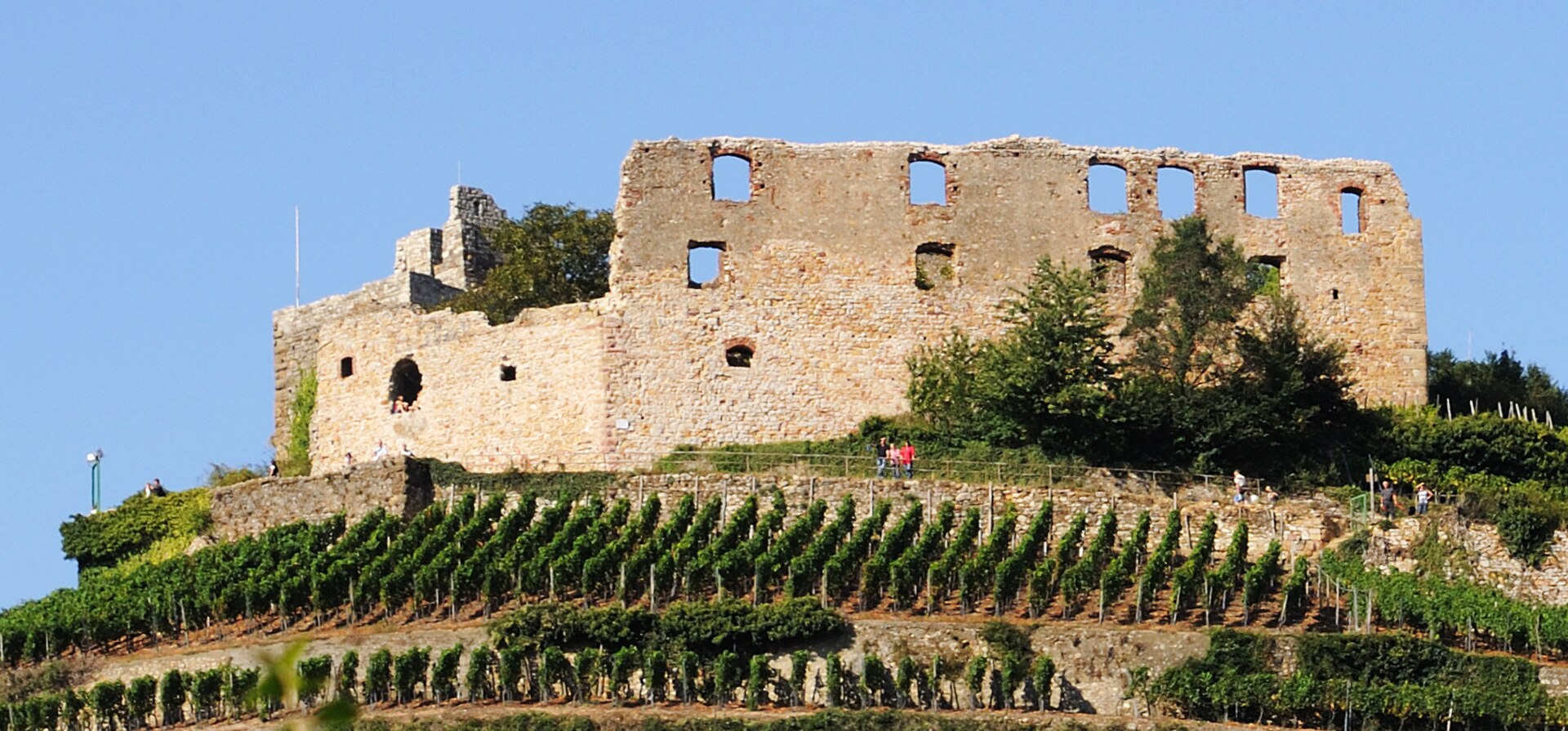
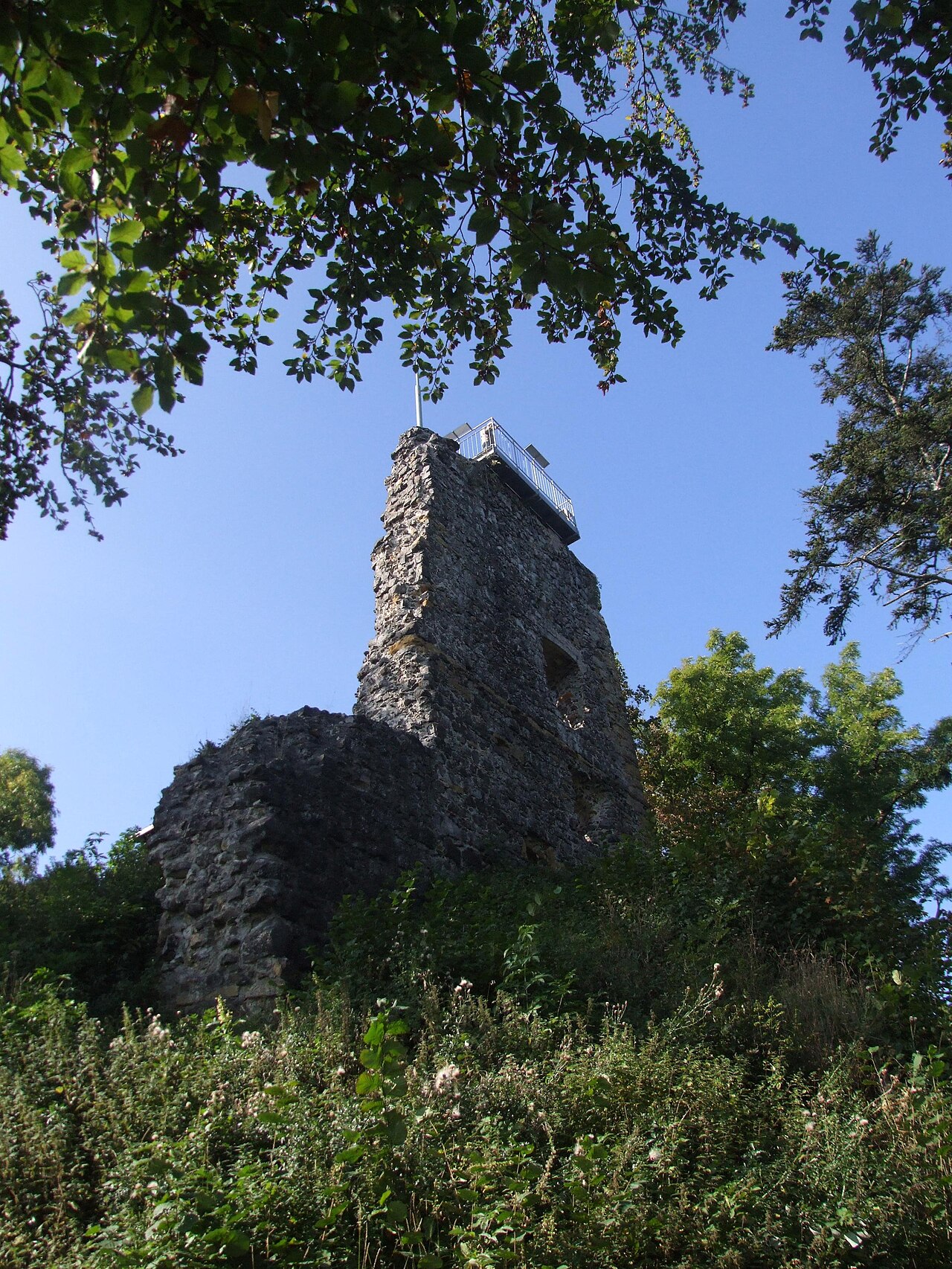
The ruin of Staufen crowns a volcanic hill of some 594 m overlooking the north-eastern edge of Hilzingen, in the Hegau, a few kilometres from the Hohentwiel. Not to be confused with Staufen Castle in the Breisgau, it appears in texts from 1272 under the name ‘Stouphen’. A foundation by the dukes of Zähringen has been proposed by the historian Eberhard Dobler, but without formal proof. The lords of Homburg held it as a fief from before that date until the fifteenth century. In the fourteenth century, most of it was held by the counts of Hohenberg and the remainder by the dukes of Austria, who recovered the whole with the purchase of the County of Hohenberg in 1381. The castle then became a Ganerbenburg shared among several lineages (Randegg, Rechberg, Klingenberg, Zimmern, Schellenberg). Burned by the Swiss in 1499, occupied by peasants in 1525 and then by the Swiss in 1531, it returned entirely to Austria in 1609. During the Thirty Years' War, the Protestant garrison of the Hohentwiel captured it in 1634, and Konrad Widerholt had it demolished in 1638. The ruin still served as a post for the besiegers of the Hohentwiel in 1641 and 1644, before being exploited as a quarry by local inhabitants. What survives is a main castle plateau some 18 m across with a wall section about 6 m high, segments of the outer bailey's curtain wall, a square tower and a rectangular building measuring 13.4 × 7.8 m.