

Horaires
Vestiges en forêt près de Bad Niedernau ; aucune information officielle sur l'accès.
Architecture, patrimoine et histoire · Landkreis Tübingen
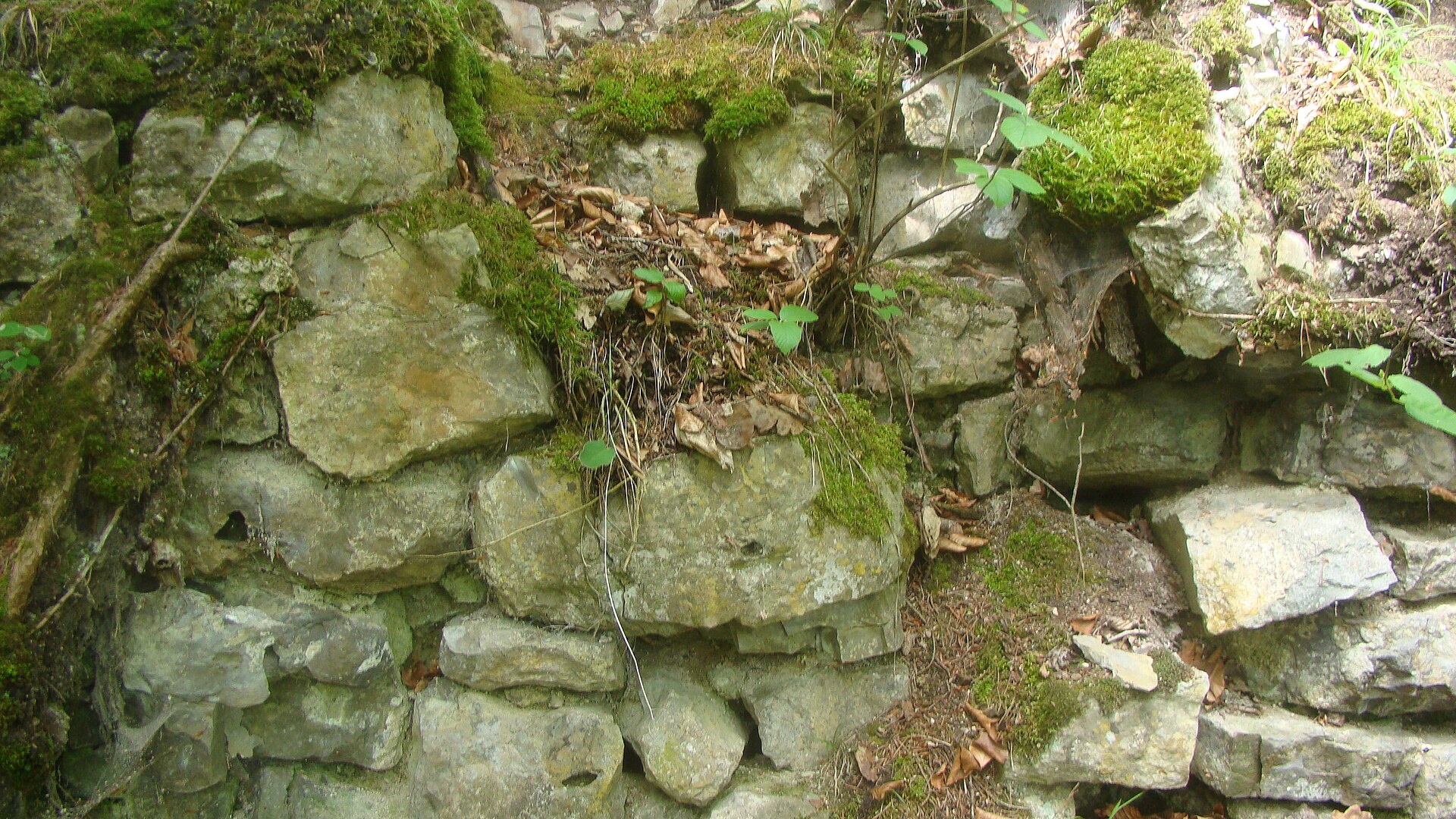
Clinging to the Schlossfelsen above the Katzenbach valley, the Ehinger Burg lies near Bad Niedernau, a district of Rottenburg am Neckar, in the district of Tübingen (Baden-Württemberg). This hilltop castle was built in the second half of the 13th century, after 1280 according to some authors, as the residence of the lords of Ehingen, a lineage named after the village of Ehingen, now part of Rottenburg, and later raised to the rank of imperial barons. Its life was relatively short: in 1407, during a conflict with the counts of Zollern, the fortress was destroyed and never rebuilt. Only foundations and a wall about one metre high remain, on the south side of a narrow rocky platform. About 150 metres away lies a second castle site, the Schlösslesberg, whose history remains puzzling and which is the subject of archaeological research by the University of Tübingen.
Toutes les informations pour organiser votre venue au Ehinger Burg.
Vestiges en forêt près de Bad Niedernau ; aucune information officielle sur l'accès.
Siège des seigneurs von Ehingen, futurs barons d'Empire
Détruit en 1407 pendant la guerre contre les comtes de Zollern
Fondations sur le Schlossfelsen dominant le Katzenbach
Construit dans la seconde moitié du XIIIe siècle (après 1280 selon Bizer et Götz), résidence des seigneurs von Ehingen, plus tard barons d'Empire. Détruit en 1407 pendant la guerre contre les comtes de Zollern et jamais reconstruit.
Château de hauteur sur le Schlossfelsen à 450 m d'altitude ; plate-forme rocheuse d'environ 5-7 × 12 m. Restent des fondations et un mur d'environ 1 m côté sud. Second site castral (Schlösslesberg) à 150 m.
Ruine archéologique sans exploitation documentée.
Les principales campagnes documentées qui ont façonné le monument au fil des siècles.