Château entouré d'eau entre deux bras du Walzbach
Schmalenstein Castle
Architecture, patrimoine et histoire · Landkreis Karlsruhe
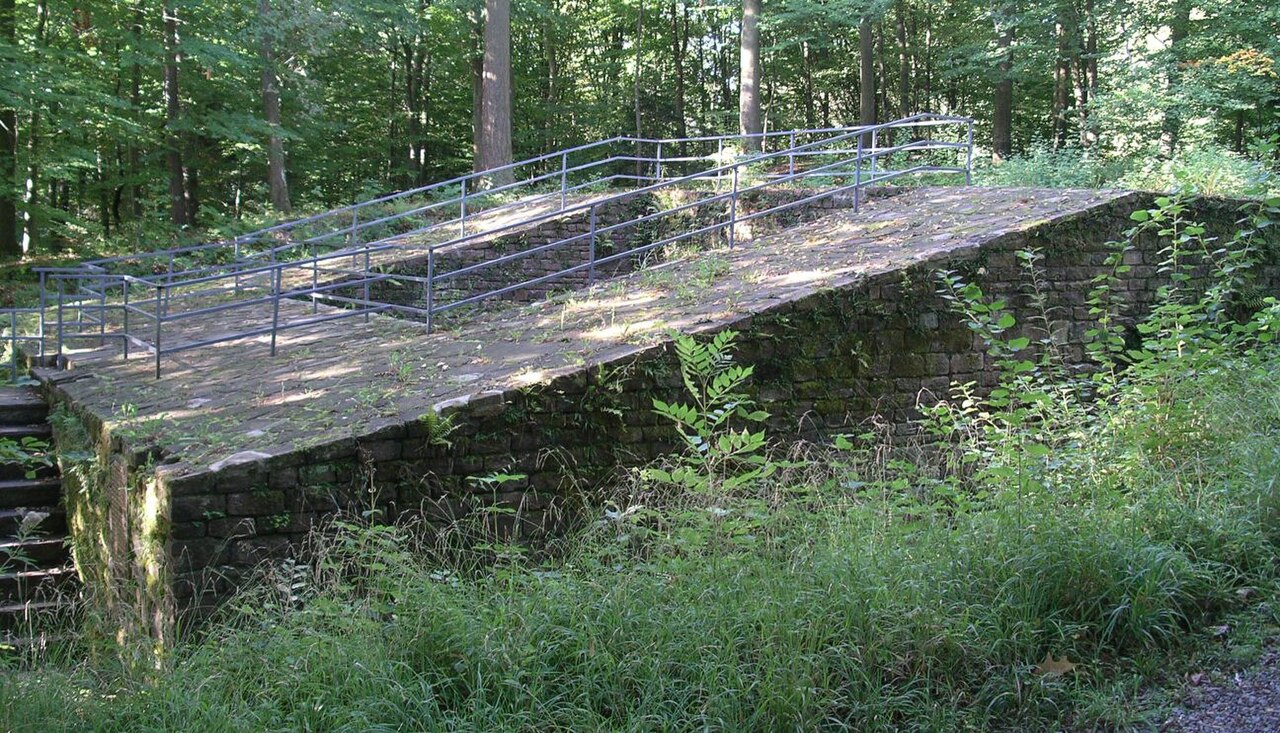
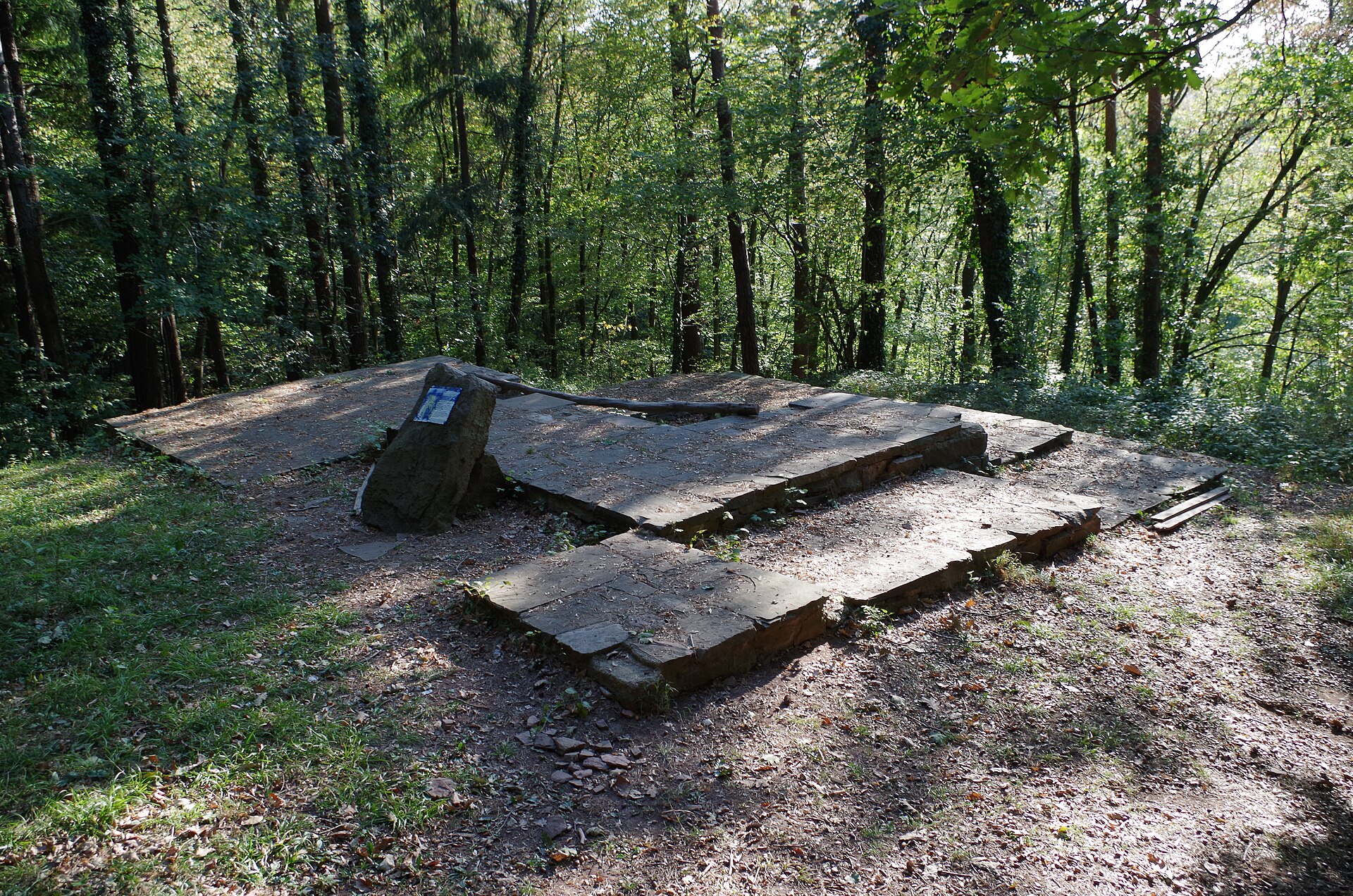
Schmalenstein Castle was a medieval moated castle on the eastern edge of Weingarten (Baden), in the Karlsruhe district. Rather than on a height, it stood in the lowland between two arms of the Walzbach stream, near a paper mill, so that the water itself formed its main defence. It was built in the 13th century by the lords of Schmalenstein, a local noble family that took its name from it, and it first appears in the written record in 1262. Its plan was simple and regular: a rectangular inner castle was entirely surrounded by a rectangular defensive wall, the whole site being protected by the arms of the stream. The castle remained in use until the 17th century, when it was destroyed. It was never rebuilt. Today only a few fragments of the curtain wall remain. They are discreet but still show where this small lowland fortress once stood on the Walzbach, in the countryside of the Kraichgau edge.
⌖
Weingarten (Baden)Landkreis Karlsruhe
♜
XIIIe sièclePériode de construction
Préparer votre visite
Toutes les informations pour organiser votre venue au Schmalenstein Castle.
Pourquoi visiter Schmalenstein Castle ?
Première mention en 1262
Plan rectangulaire : noyau et enceinte
L’histoire de Schmalenstein Castle
XIIIe siècle : les seigneurs de Schmalenstein construisent un château entouré d'eau entre deux bras du Walzbach. 1262 : première mention. XVIIe siècle : détruit.
Ce qu’il faut observer
Wasserburg de plaine : noyau rectangulaire ceint d'un mur rectangulaire, entre deux bras du Walzbach ; quelques fragments d'enceinte subsistent.
Aujourd’hui
Propriété et usages actuels
Site disparu sans usage documenté.
Les étapes de construction
Les principales campagnes documentées qui ont façonné le monument au fil des siècles.
- Datation probableXIIIe siècleConstruction
Nearby
View all castles →