En un regard
Le château en bref
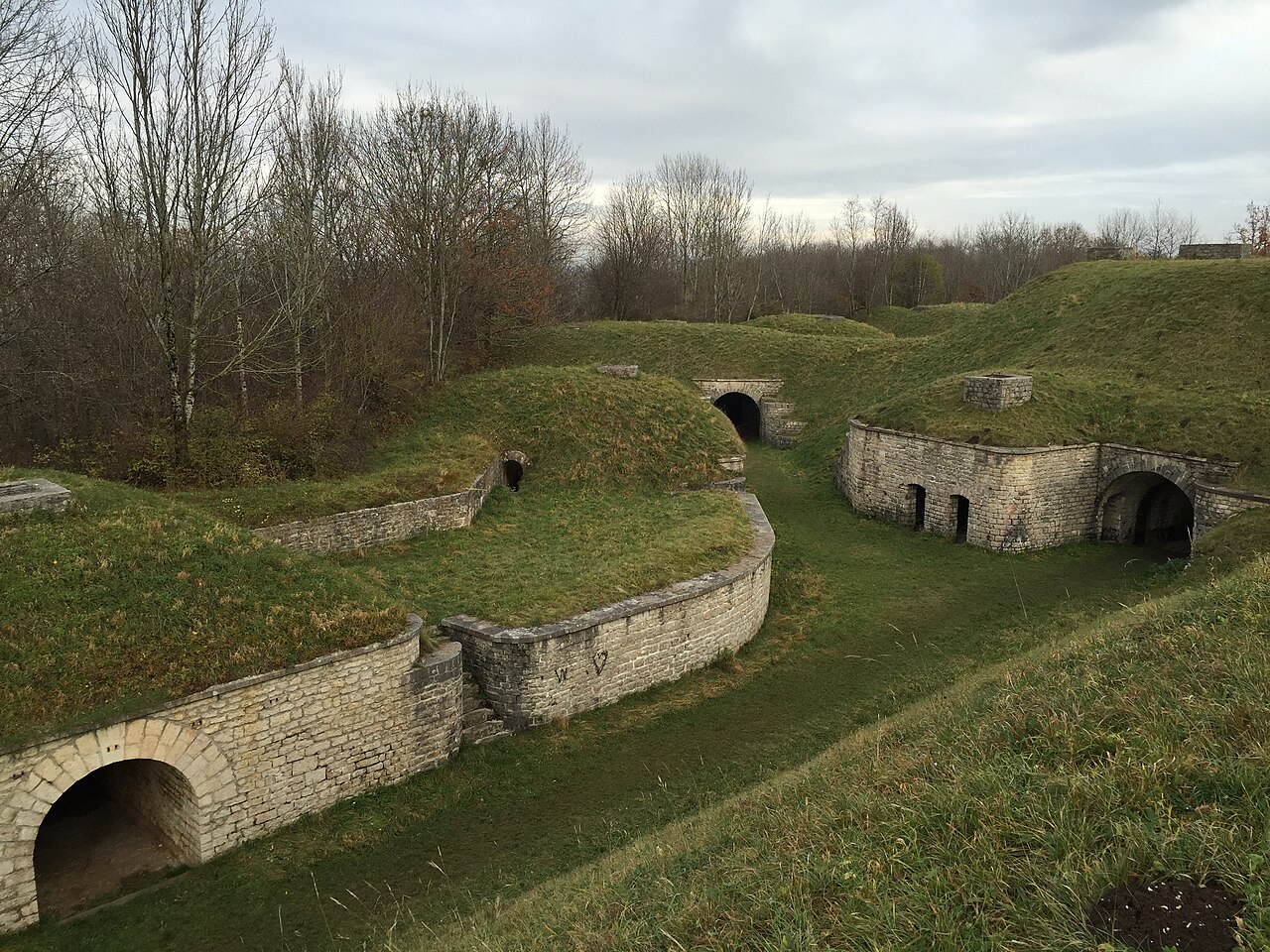
The Citadel of Besançon is a stronghold overlooking the city of Besançon (Doubs), in Bourgogne-Franche-Comté. It is one of Vauban's masterpieces. Its site was protected in 1924, then the building was listed as a historic monument by three decrees of 1942 and 1944, and since 7 July 2008 it has been inscribed on the UNESCO World Heritage List as part of the Fortifications of Vauban, a group of twelve sites representative of Vauban's architectural genius.
The foundation stone of the citadel was laid on Mont Saint-Étienne on 29 September 1668, when the city was a possession of the Spanish Crown. The Treaty of Nijmegen, signed on 10 August 1678, definitively attached Besançon and its region to the Kingdom of France. Louis XIV then decided to make Besançon one of the key links in the defensive system of eastern France and entrusted Vauban with continuing the construction.
Today the Citadel of Besançon is the symbol of the city and a major tourist landmark of Bourgogne-Franche-Comté, the region's third most visited paid-admission monument, with 200,000 to 300,000 visitors each year. In addition to its historic architectural setting and its exceptional geographical position, it houses three museums with the « Musée de France » label: the Museum of the Resistance and Deportation, the Musée comtois and the Muséum, which is divided into five areas: the zoological garden, the aquarium, the insectarium, the noctarium and the naturalium. Dining areas and a shop are available on site.