En un regard
Le château en bref
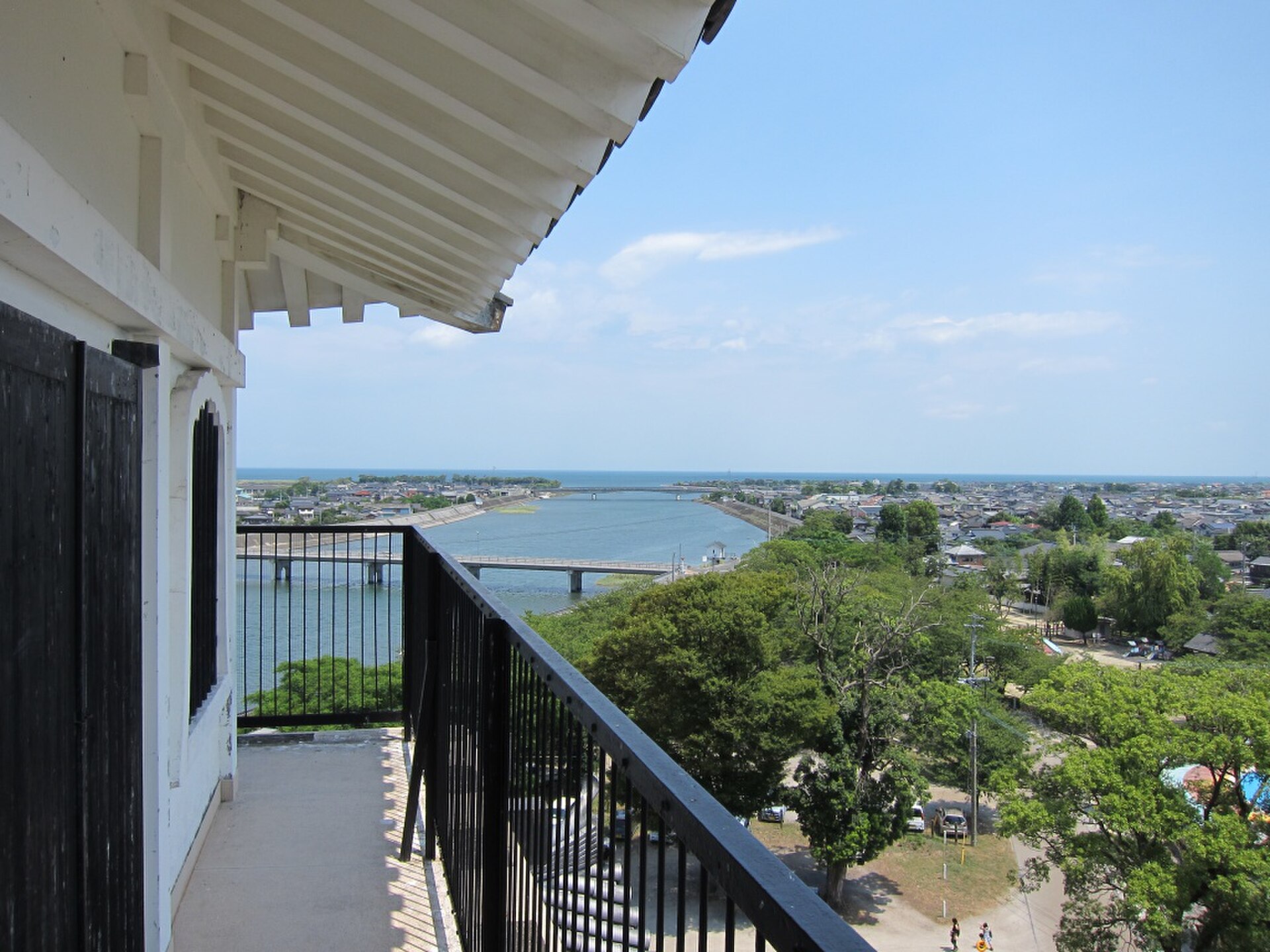
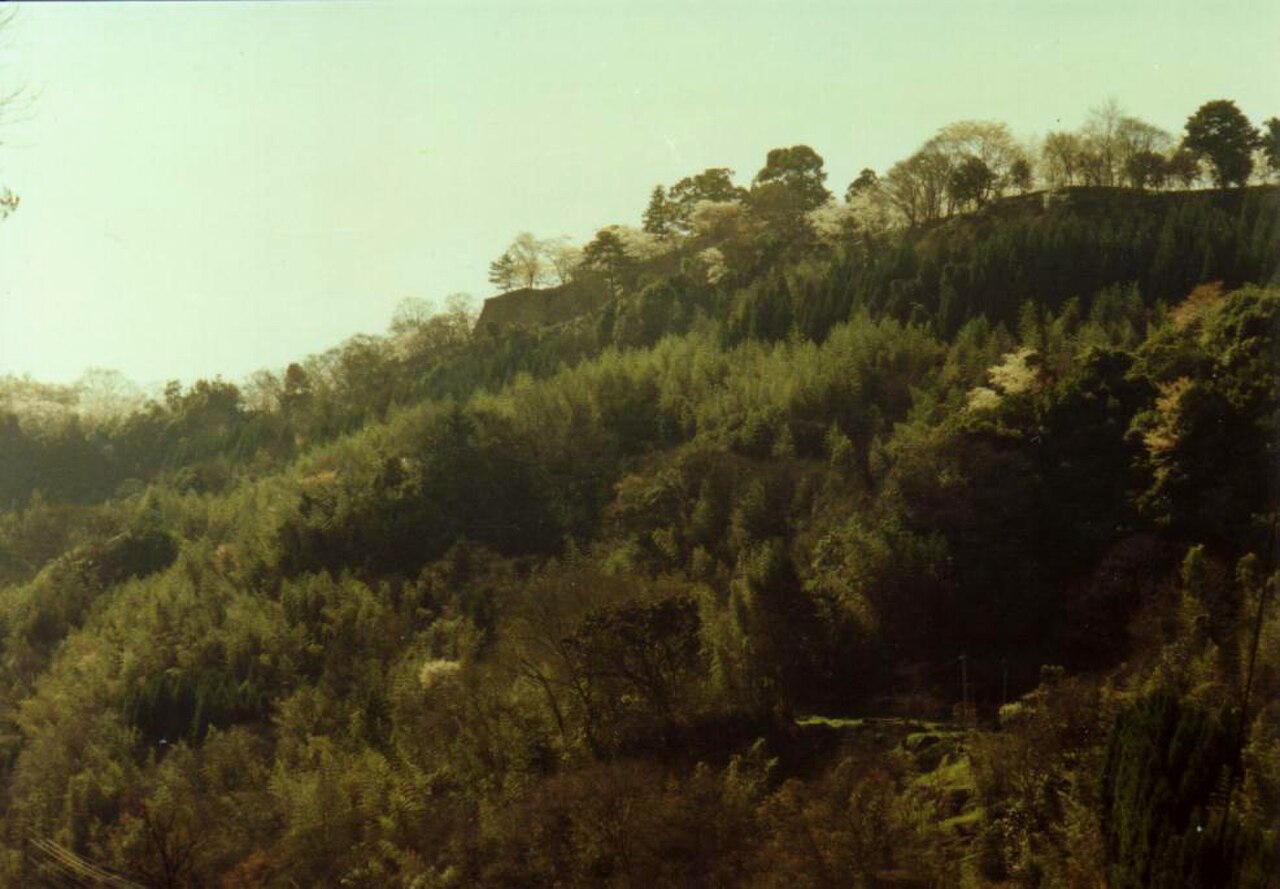
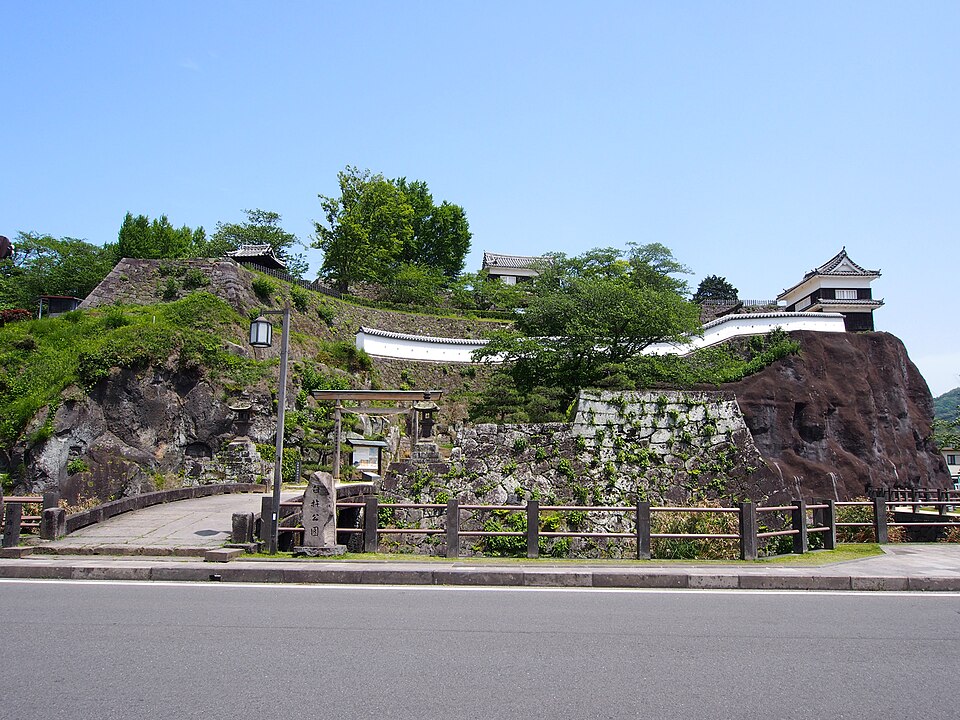
Nakatsu Castle stands at the mouth of the Yamakuni River, close to today's boundary between Oita and Fukuoka prefectures, where seawater enters the moats and makes their level rise and fall with the tides. Its fan-like plan earned it the nickname Senjo (扇城). Kuroda Yoshitaka, better known as Kanbei, began building it in 1588 after receiving six districts of Buzen from Toyotomi Hideyoshi; Hosokawa Tadaoki then transformed it extensively between 1603 and 1620. The site's main interest lies in how directly these two campaigns can be read: on the north face of the present keep and along the south moat of the main enclosure, the junction between Kuroda and Hosokawa masonry is visible, the latter being higher and wider. Some dressed stones from the Kuroda period, recognizable by their grooved edges, came from the ancient site of Tobaru (唐原, 7th century) at Koge in what is now Fukuoka Prefecture. The municipality presents the castle as the oldest early modern castle in Kyushu. It passed to the Ogasawara in 1632 and then to the Okudaira in 1717, who held it until the end of the feudal regime. It lost its buildings from 1871 onward, and the surviving palace burned during the Satsuma Rebellion in 1877. The keep seen today, built in 1964 with a silhouette borrowed from Hagi, is a tourist evocation and restores no attested historical state; it houses the Okudaira family museum. Visitors therefore come above all for the original walls and tidal moats rather than for the building that rises above them.
- Époque de construction
- 1588–1620
- Localisation
- Nakatsu, Préfecture d'Ōita
- Protection
- Site historique préfectoral (県指定史跡), selon la Japan Castle Foundation ; date non vérifiée
- Accès au public
- Ouvert au public
- État
- Vestiges
- Usage actuel
- musée de la famille Okudaira, parc public