Accès
Ouvert au public
Parking disponible.
Architecture, patrimoine et histoire · Préfecture de Tochigi
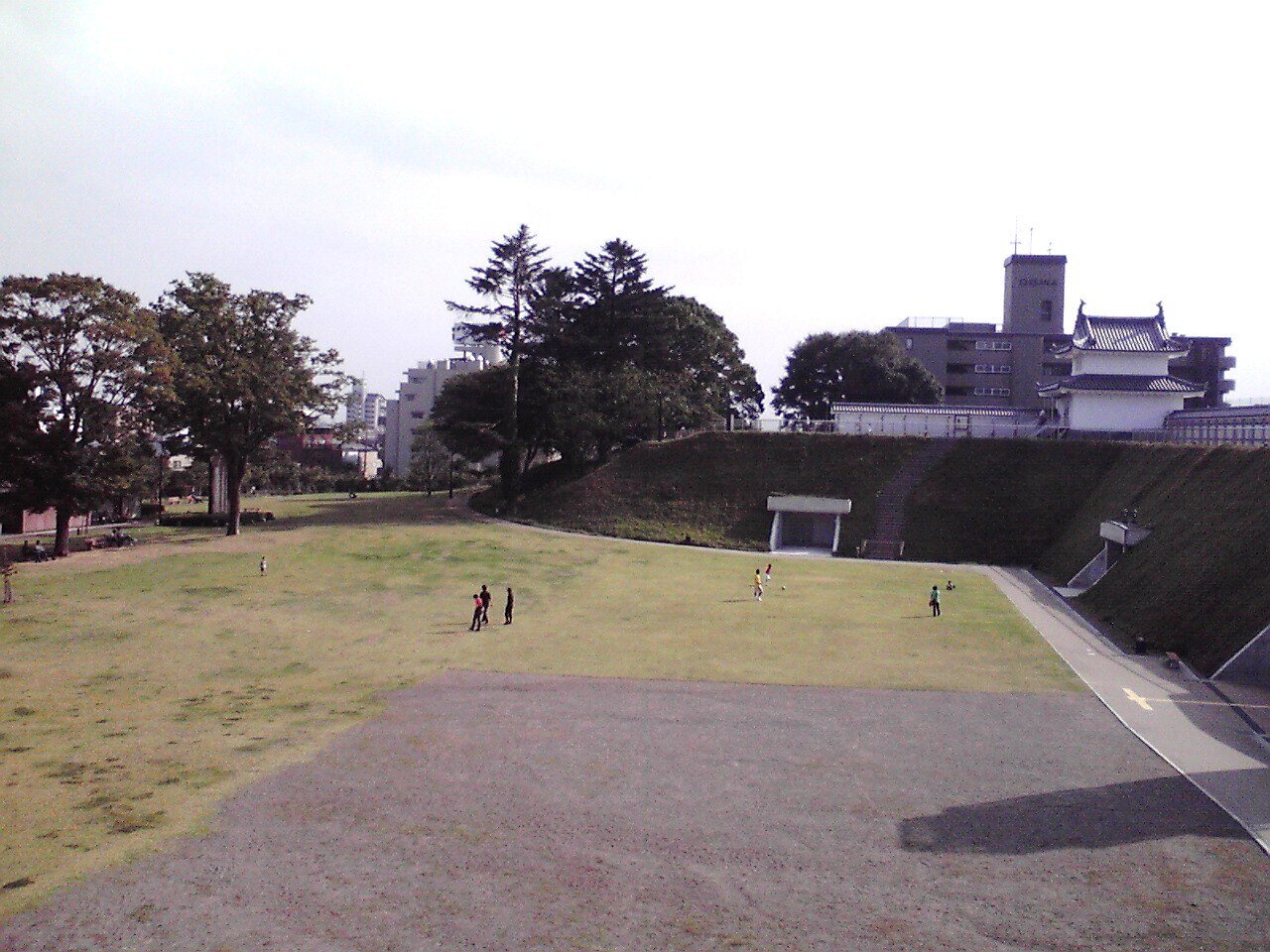
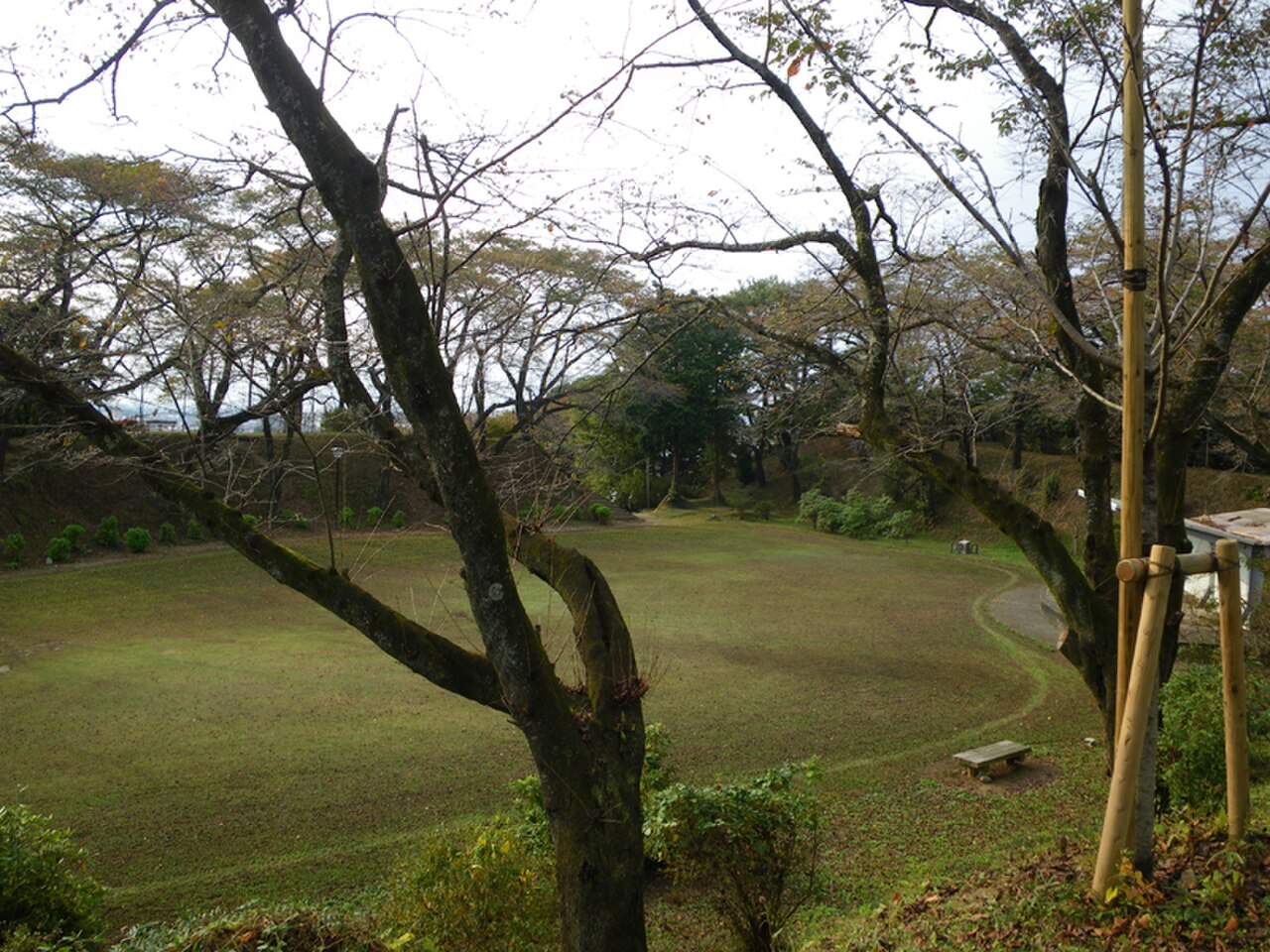
For nearly four centuries Kawasaki Castle was the seat of the Shioya clan, lords of the Shioya area in northern Shimotsuke. Built at the very beginning of the 13th century by Shioya Tomonari, it stretches along a narrow ridge about one kilometre long from north to south and only two hundred metres wide, which earned it the nickname of "snail castle". The main bailey occupies the southern end, followed to the north by a water-source enclosure, a "new castle" and a probable archery ground. Lying on the borders between the Utsunomiya and Nasu territories, it was hotly contested in the 16th century: besieged by the Yūki in 1559, an internal crisis in 1564, and Nasu raids until 1585. Yet it never fell to an outside enemy and was only abandoned in 1595, when Toyotomi Hideyoshi dispossessed Shioya Yoshitsuna. Designated a historic site by the city of Yaita, it now forms Kawasaki Castle Ruins Park, where dry moats, earthen ramparts, the honmaru and the ni-no-maru can be explored on foot among a plum grove, a pond and an arched bridge, and where a festival of about 5,000 lanterns is held every August.
Toutes les informations pour organiser votre venue au Kawasaki Castle (Shimotsuke).
Ouvert au public
Parking disponible.
 Parking
Château allongé d'environ 1 km, surnommé « château de l'escargot »
Siège du clan Shioya pendant près de quatre siècles (v. 1200-1595)
Fossés secs, levées de terre, honmaru et ni-no-maru conservés
1199-1203 (ères Shōji-Kennin) : Shioya Tomonari édifie le château, siège du clan Shioya. 1559 : Yūki Haruyoshi assiège le château cinq à six jours puis se retire. 1564 : le château change de mains à la suite de luttes internes au clan Shioya. 1566 : les partisans de Shioya Yoshitsuna le reprennent avec l'aide d'alliés. 1577-1578 : combats et raids contre le clan Nasu. 1585 : Nasu Sukeharu attaque et incendie la ville castrale ; bataille d'Usubagahara. 1595 : Toyotomi Hideyoshi confisque le domaine de Shioya Yoshitsuna ; le château est abandonné. 2002 : publication par la ville de Yaita d'un rapport de fouilles sur le site. Aujourd'hui : site historique de la ville de Yaita, aménagé en parc (川崎城跡公園).
Découvrez les femmes et les hommes documentés dans l’histoire de ce château et retrouvez, pour chacun, les autres demeures auxquelles ils sont associés.
Château médiéval de type yamajiro/hirayamajiro allongé, implanté sur une crête d'environ 1 km du nord au sud pour 200 m d'est en ouest, d'où son surnom de « château de l'escargot » (蝸牛城). Le honmaru se trouve à l'extrémité sud ; au nord se succèdent une enceinte de la source (mizu-no-te), le Shinjō (nouveau château) et le Matobayama, sans doute un terrain de tir. Plusieurs éminences voisines (Horie-yama, Sakabayashi, Kōoka) sont rattachées au château par certains chercheurs. Les vestiges conservés comprennent des fossés secs, des levées de terre, le honmaru et le ni-no-maru ; aucun bâtiment n'a été reconstruit. Le parc comporte un belvédère et une pruneraie dans le ni-no-maru, un étang et un pont arqué.
Parc public (parc du château de Kawasaki, 720-1 Kawasaki-Tanmachi, Yaita). Une fête des lanternes son et lumière (光と音のあんどんまつり), avec environ 5 000 lanternes, y est organisée chaque août par un conseil citoyen.
Les principales campagnes documentées qui ont façonné le monument au fil des siècles.
Construction par Shioya Tomonari, fondateur de la lignée Shioya.