
Meißen
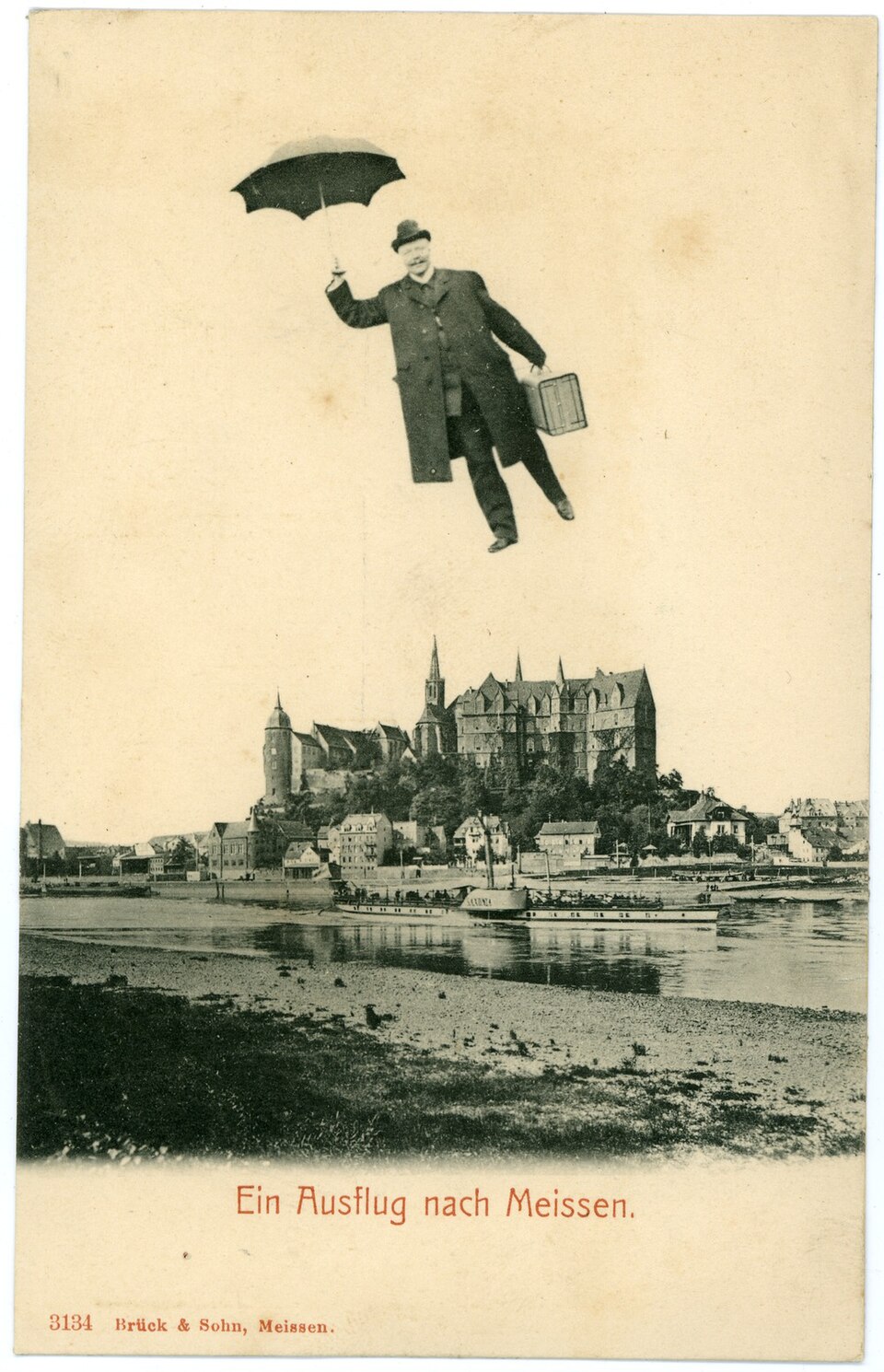
Albrechtsburg
Maître d'œuvre
→Arnold von Westfalen, also called Arnold Westfäling of Meißen, is the most important Saxon master builder of the fifteenth century. Attested as early as 1459, he was received as master builder in June 1470 and became, at the latest in 1471, responsible for all the princely building works of the Wettins. His masterpiece is the palace at Meißen, later called the Albrechtsburg, designed for the brothers Ernest and Albert of Saxony as a two-courtyard building closer to a palace than to a fortress. There he developed a late Gothic vocabulary new to Saxony: cell vaults, curtain arches, piers with hollowed and twisted mouldings, and a great spiral staircase. He also worked on the cathedral at Meißen and on several other castles in the region. He died in Meißen around 1481-1482 without having seen the north wing completed; his pupil Konrad Pflüger continued the work.
The sources preserve few traces of Arnold's career before 1470; the quality of his work serves as the measure of his reputation. From 1471 at the latest, he was the highest authority over princely building in Saxony. Studies also suggest that after 1470 he intervened at other castles such as Torgau, Dresden, Rochlitz, the Rochsburg or Kriebstein, but the details of these works remain debated.
AlbrechtsburgFirst attested mention of Arnold von Westfalen.
He is received as master builder in the service of the prince.
Start of work on the new palace at Meißen for Ernest and Albert of Wettin; Arnold then directs the entire organisation of the Saxon princely building works.
Start of work on the vaults of the south and central wings of the Albrechtsburg.
Marriage to Margarete von Rülcke, from an old Saxon noble lineage.
Death of Arnold von Westfalen in Meißen; his pupil Konrad Pflüger continues the work.
The cell vaults and curtain arches he used at Meißen are not attested in Saxony before 1470, and today serve as a reference point for dating late Gothic buildings in Saxony. Researchers also compare his stair towers with French models such as Saumur or Châteaudun.
This summary cross-references several sources to document the places, events and historical relationships.