
Hamamatsu
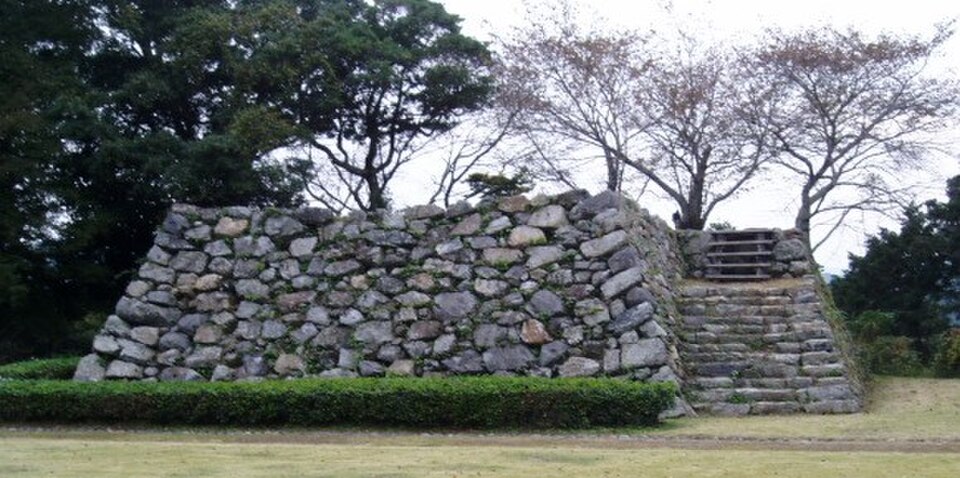
Château de Futamata
Fils aîné de Tokugawa Ieyasu, confiné et contraint au seppuku au château (1579)
→Lord of Okazaki Castle (Okazaki Saburō)
Matsudaira Nobuyasu (1559–1579), eldest son of Tokugawa Ieyasu and of the lady Tsukiyama, became lord of Okazaki Castle in 1570 and husband of Tokuhime, daughter of Oda Nobunaga. He fought at Nagashino in 1575. In 1579, accused together with his mother of colluding with the Takeda, he was confined at Ōhama and then at Futamata Castle, where he was forced to take his own life at the age of twenty; his remains rest at Seiryū-ji temple in Futamata, and his head was buried at Okazaki.
The affair of 1579 remains one of the most debated episodes in the life of Tokugawa Ieyasu. The most widespread version holds that Oda Nobunaga, alerted by his daughter Tokuhime, suspected Nobuyasu and his mother of treason in favour of the Takeda, and that Ieyasu had to comply; the true reasons remain uncertain. Transferred from Okazaki to Ōhama and then to Futamata Castle, a stronghold contested with the Takeda some years earlier, Nobuyasu died there. At Futamata, the Seiryū-ji temple keeps his mausoleum, while his head, sent to the Oda, lies in a burial mound at Wakamiya Hachiman in Okazaki.
Château de FutamataBirth, eldest son of Tokugawa Ieyasu and of the lady Tsukiyama.
Becomes lord of Okazaki Castle, whence his nickname Okazaki Saburō.
Takes part in the Battle of Nagashino.
Accused of conspiring with the Takeda, he is confined at Ōhama and then at Futamata Castle, where he is forced to commit seppuku at 21 (by Japanese reckoning of age).
Cette synthèse croise plusieurs sources pour documenter les lieux, événements et relations historiques.