
Ina
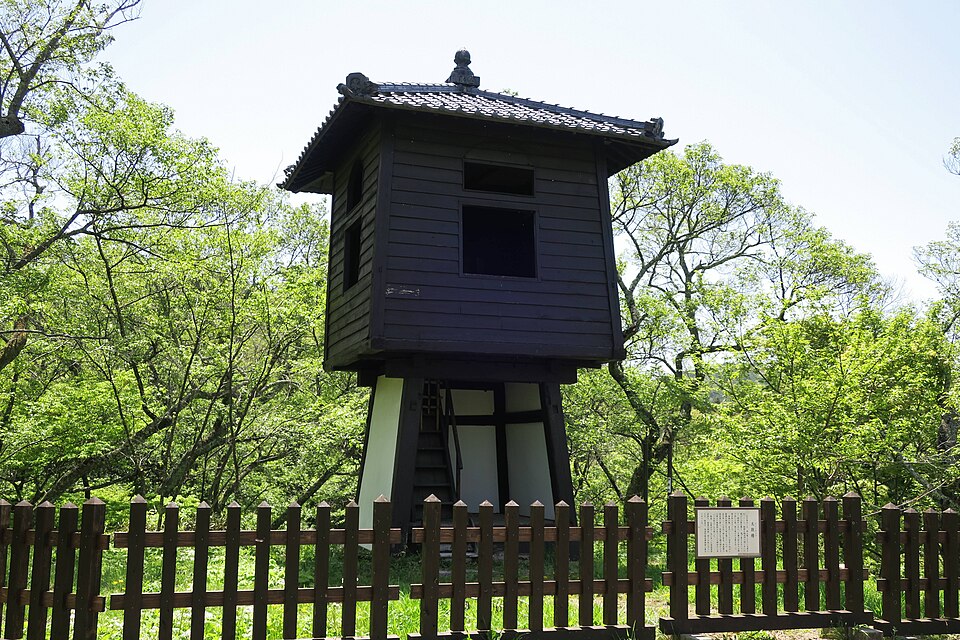
Château de Takatō
Défenseur lors du siège de 1582
→Head of the Nishina clan · Lord of Mori Castle · Lord of Takatō Castle (1581-1582)
Nishina Morinobu (1557-1582), fifth son of Takeda Shingen, is the tragic figure of Takatō Castle. Adopted in 1561 as head of the Nishina clan, master of the Azumi district in Shinano, he guarded the north of the province against the Uesugi from Mori Castle for more than ten years. In 1581, his half-brother Takeda Katsuyori also entrusted him with Takatō, the gateway guarding southern Shinano. During the invasion by Oda and Tokugawa in early 1582, he refused to surrender and defended the stronghold with about 3,000 men against some 50,000 soldiers under Oda Nobutada; he took his own life during the assault, the only fierce resistance in a campaign that saw the rapid collapse of the Takeda clan.
As many Takeda vassals defected in the face of Oda's advance, Morinobu chose to hold Takatō, a stronghold reworked by his father on a plateau overlooking two rivers. With about 3,000 men, he faced some 50,000 soldiers under Oda Nobutada. The assault began at dawn; Morinobu took his own life, and hundreds of his men perished with him. His head was sent to Nobutada, then displayed in Kyōto alongside those of other Takeda leaders.
Château de TakatōBirth; fifth son of Takeda Shingen and Lady Yukawa (childhood name Gorō).
Placed at the head of the Nishina clan of Azumi district (Shinano) to consolidate Takeda control.
Takeda Katsuyori entrusts him with Takatō Castle in addition to his Mori Castle.
Invasion of Kai and Shinano by Oda, Tokugawa and Hōjō; Morinobu refuses the surrender offered by Oda Nobutada.
Assault on Takatō by about 50,000 men against some 3,000 defenders; Morinobu takes his own life and the castle falls.
Through his adoption in 1561, Shingen placed one of his sons at the head of an old family of Shinano, a common practice for anchoring Takeda authority in conquered territories. Morinobu married a daughter of Nishina Morimasa and held the northern border against the Uesugi for more than ten years.
Cette synthèse croise plusieurs sources pour documenter les lieux, événements et relations historiques.