Le récit
L’histoire de ラ・ノue城 Wait, I must be careful: the name should be rendered in Japanese. The established Japanese form for "Château de la Noue" — there is no established form; it's a non-latin script, but Japanese is non-latin; standard transliteration of "La Noue" would be ラ・ヌー. Since no established form exists, transliterate: ラ・ヌー城. Do not invent names; transliteration is allowed. Now segment 2: 「ラ・ヌー城はアンドル=エ=ロワール県に位置する城郭遺跡であり、その歴史は……」 Note "INDRE-ET-LOIRE" is a département name; established Japanese form: アンドル=エ=ロワール県. Keep the uncertain phrasing: "dont l'histoire remonte" — the original is truncated; keep as "その歴史は遡る" without adding the date. Keep the text faithful. Segment 3: 歴史的建造物に登録(指定ではない)— "monument historique inscrit" is registered (inscrit), so 「歴史記念物(登録)」 or 「登録歴史建造物」. In France, "inscrit" is 登録記念物 in Japanese context often "登録歴史建造物". I'll use 「歴史建造物として登録」... Keep closer: 「monument historique inscrit」→「登録歴史記念物」. Output format: tags exactly, no markdown.
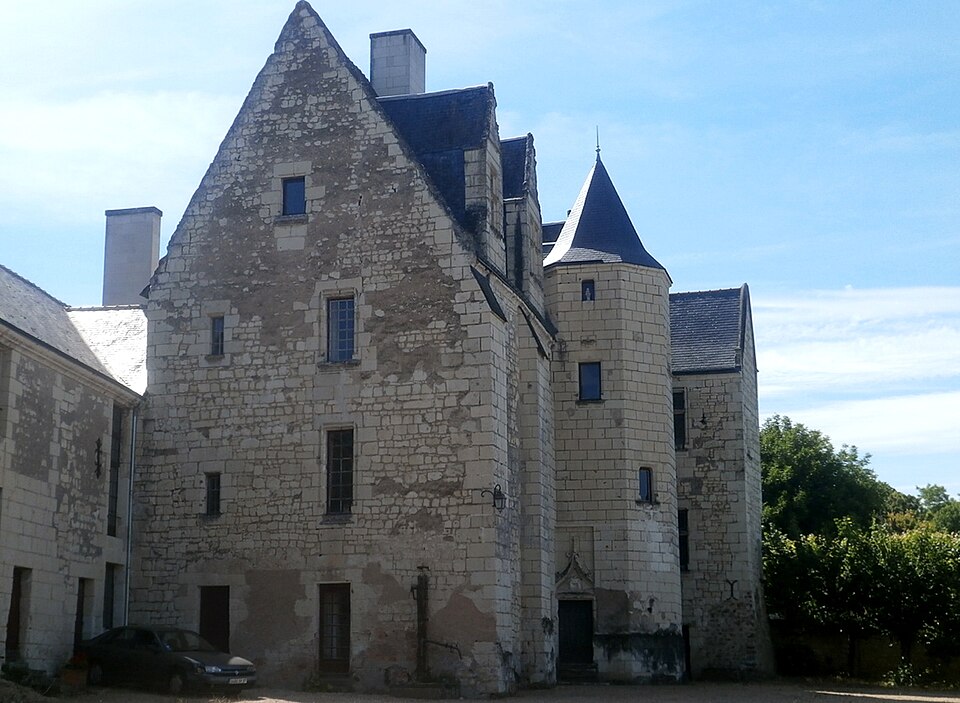
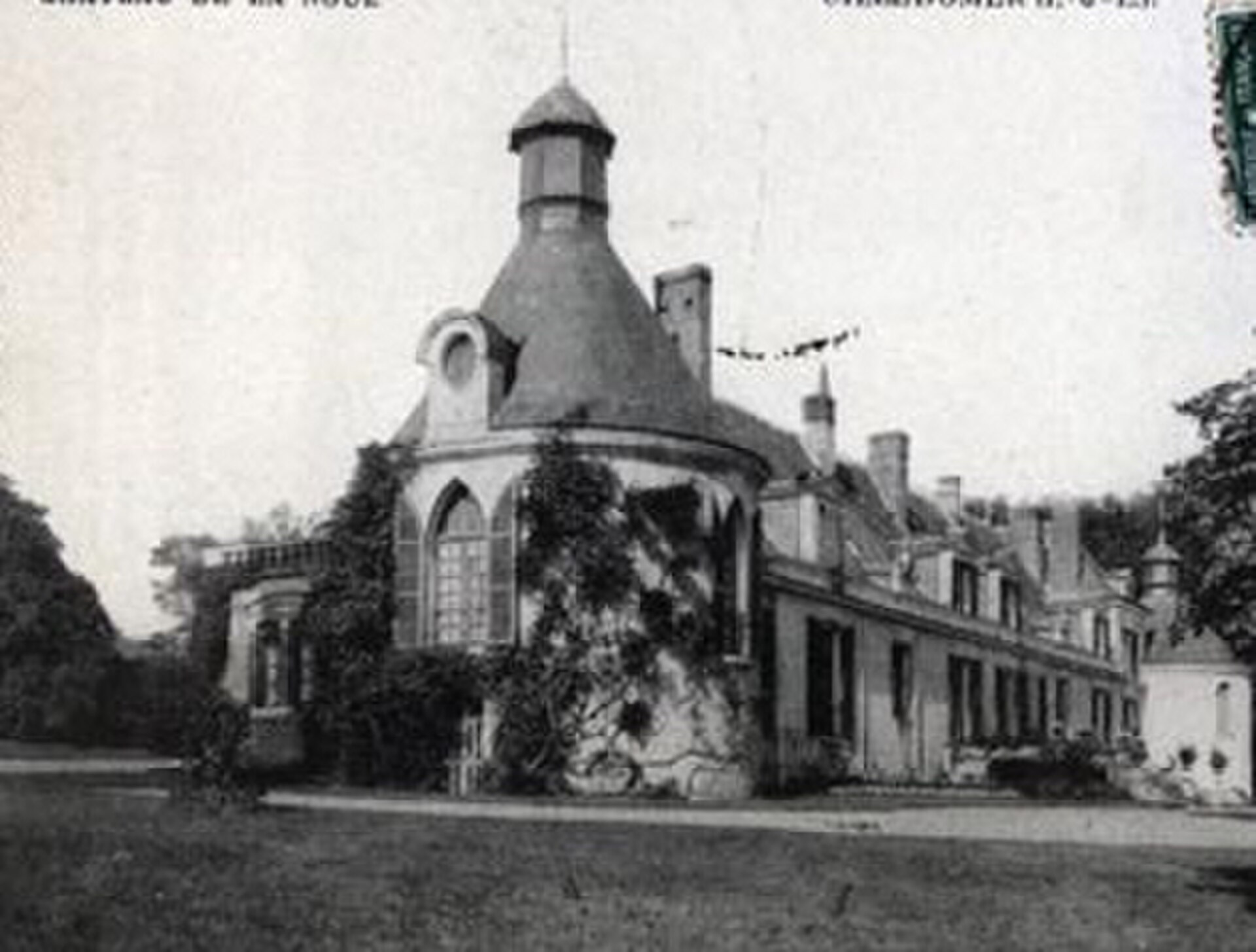
Construit au XVIe siècle ; propriété de la famille Bouault (René Bouault, maire d'Amboise 1596-1599), puis en 1672 d'un officier du grenier à sel, en 1736 d'Étienne Cassin (famille dont un fils fut maire de Tours), et en 1826 du général baron Amédée de Cools ; il appartient toujours à sa descendance (famille Étignard de La Faulotte).