
Historical portrait of Henry IV through seven castles, from Béarn to Île-de-France, marking his birthday (13 December) and the exhibition "The Flair of the
Henry IV in seven castles: from the cradle of Pau to the Grand Canal of Fontainebleau
Born in Pau on 13 December 1553, Henry IV left his mark from Coarraze to Fontainebleau. Seven castles recount the story of the King of Navarre who became King of France, to be explored before the conference on 12 December in Pau and the exhibition in Fontainebleau, open until 25 January 2027.
Editorial journal · Carte des Châteaux ·
De Pau à Fontainebleau, 1553-1610
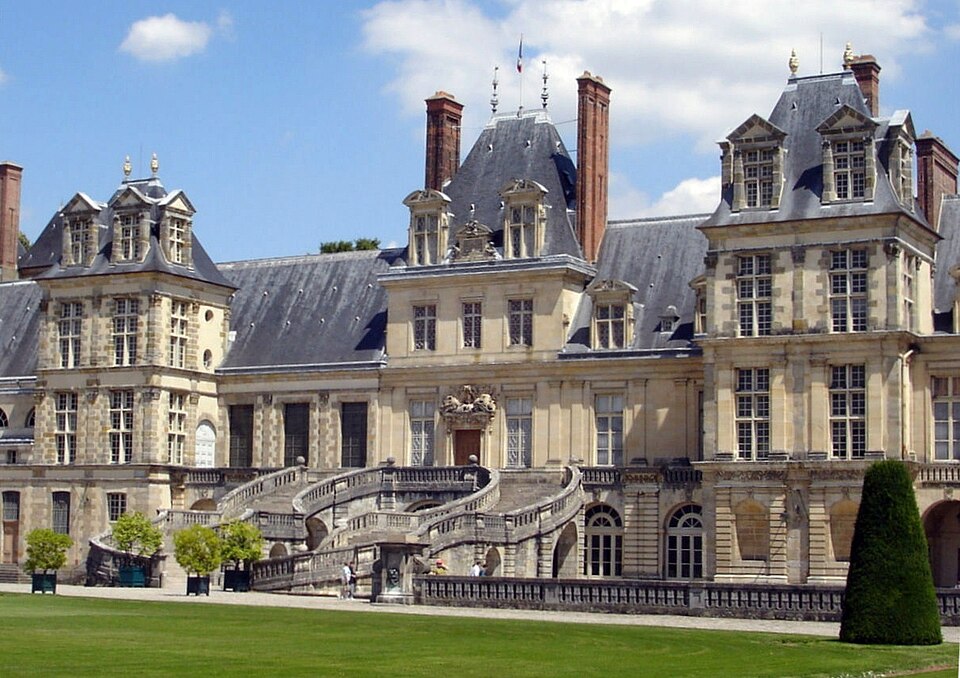
In the Saint-Louis rooms of the Château de Fontainebleau, a series of paintings by François-André Vincent recounts the life of Henry IV as Louis XVI wished it to be remembered: a king who was good, brave and popular, summoned to rescue a weary monarchy. The exhibition "The Flair of the Enlightenment" remains open until 25 January 2027, and its preparatory sketches are preserved eight hundred kilometres away, at the Château de Pau, where the king was born. Between these two places, the life of Henry of Bourbon is etched in stone: a Béarnese childhood, a court in Navarre on the banks of the Baïse, sieges and treaties in Picardy, and then the grand projects of a king finally master of his kingdom. Here are seven castles, in the order of his life, to follow the Béarnais up to his 473rd birthday on 13 December next.
The Béarnais's inner circle
Jeanne d'Albret
1528 - 1572
Daughter of Henri II d'Albret and Marguerite d'Angoulême, Queen of Navarre from 1555, she married Antoine de Bourbon and gave birth to Henry in Pau in 1553. Converted to Calvinism, she made her States a Protestant stronghold and completed the Château de Nérac. She died in Paris in June 1572, weeks before her son's wedding.
Marguerite de Valois
1553 - 1615
Daughter of Henri II and Catherine de' Medici, she married Henry of Navarre in August 1572, days before the St Bartholomew's Day Massacre. She joined him in Nérac in 1579 and presided over a brilliant court. Estranged from her husband and then from her brother Henry III, she lived in retirement in Usson from 1587 to 1605 and accepted the annulment of her marriage in 1599.
Gabrielle d'Estrées
vers 1573 - 1599
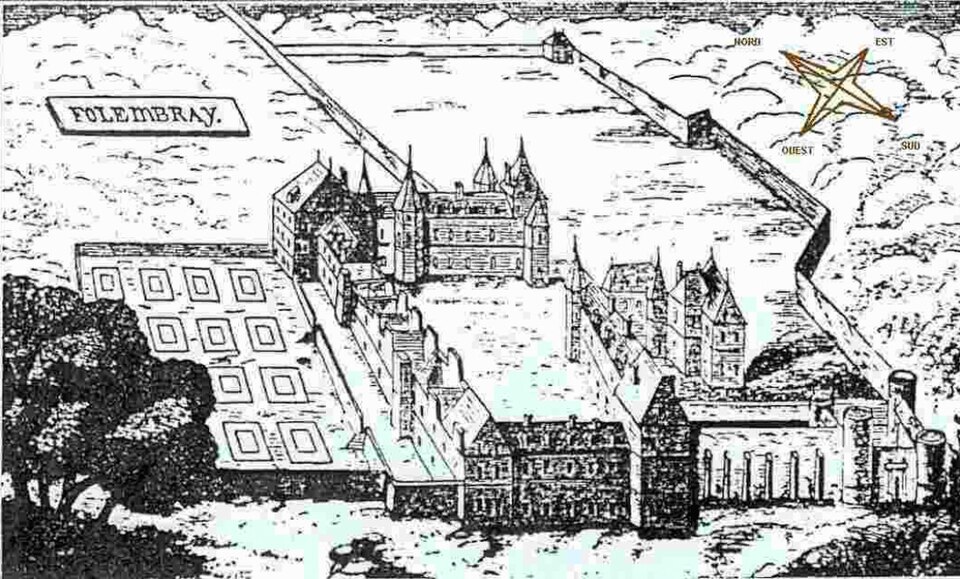
Daughter of Antoine d'Estrées, Marquis of Cœuvres, she became Henri IV’s companion around 1590–1591 and was granted the title of Duchess of Beaufort. Mother to three of his children, including César de Vendôme, she stayed with him at Folembray. Her sudden death in April 1599 paved the way for the king’s remarriage to Marie de Médicis.
Maximilien de Béthune, duc de Sully
1559 - 1641
A Protestant comrade-in-arms of Henri de Navarre, he rose to become Superintendent of Finances and the king’s chief minister. A pavilion was built for him at Folembray, and he commissioned the Château de Rosny-sur-Seine in the late 16th century. He retired from political life following the king’s assassination in 1610.
Read next
Exhibition "The Panache of the Lights" at Fontainebleau Castle, exploring the reappropriation of Henri IV’s legacy under Louis XVIFontainebleau revives Henri IV to better understand Louis XVI
 Histoire et patrimoine
Gaston Fébus, le comte-soleil : de Foix à Montaner, les forteresses d'un prince des Pyrénées
 Historical portrait of Diane de Poitiers through the castles she owned, transformed or inhabited
Diane de Poitiers in five castles: from Saint-Vallier to Anet, tracing the footsteps of Henri II’s favourite
 Castles linked to the history of royal hunting and venery, to discover around Saint-Hubert Day (3 November)
Saint-Hubert: five castles that tell the story of royal hunting and venery, from Montpoupon to Folembray
Sources