

Final days of the visitor season at Château de la Matray in Souvigny, Allier
Souvigny: final visits to Château de la Matray before the end of the season
Surrounded by moats and dating back to 1386, Château de la Matray in Souvigny, Allier, will close its visitor season on 23 September 2026: last chance to explore its chapel and spiral staircase.
Editorial journal · Carte des Châteaux ·
In Souvigny, Allier, Château de la Matray will close its visitor season on 23 September 2026, leaving just a few days to cross the bridge over its water-filled moats and discover this fortified residence whose history begins in 1386, when the treasurer of the Duke of Bourbon was granted permission to fortify it after its destruction during the Hundred Years' War.
Read next
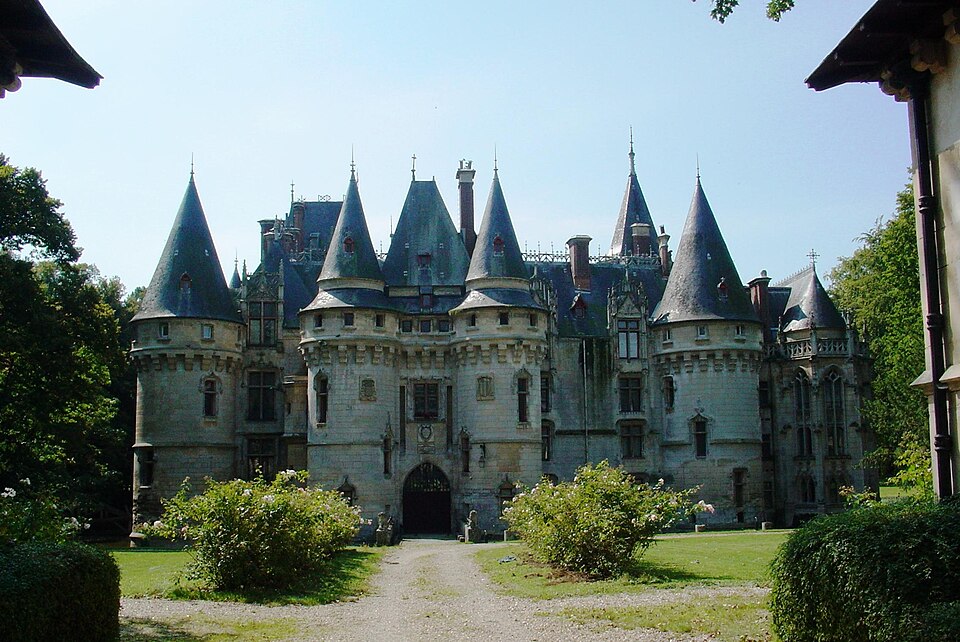 Salvaging and restoring Château de Vigny, a Renaissance masterpiece in Val-d'Oise, for the 2026 Heritage Open Days
Val-d'Oise: Château de Vigny, saved from ruin in 2016, opens its doors
 History of the Domaine de Bierville, Marc Sangnier’s pacifist château in Essonne, and opening for the 2026 Heritage Open Days
Bierville: the pacifist château of Essonne opens its doors this Sunday
Sources