
Selection of Valais castles linked to the rivalry between the House of Savoy and the Bishops of Sion, to visit in autumn
Valais: 5 castles between Savoy and the Bishops of Sion to visit before Tourbillon closes
From Sion to Saillon and Beauregard, five fortresses in Valais recount two centuries of rivalry between the Counts of Savoy and the Bishops of Sion. To be visited this autumn, before Tourbillon’s winter closure on 15 November.
Editorial journal · Carte des Châteaux ·
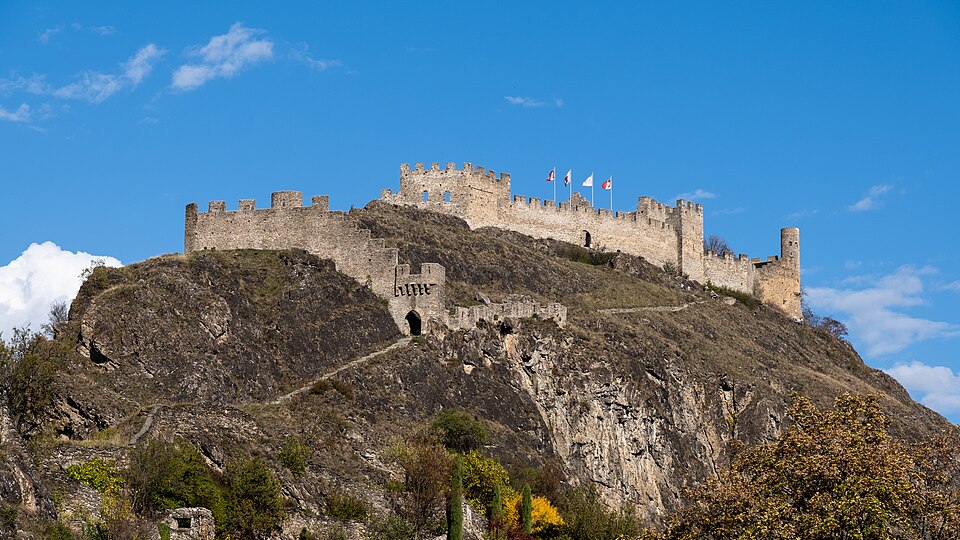
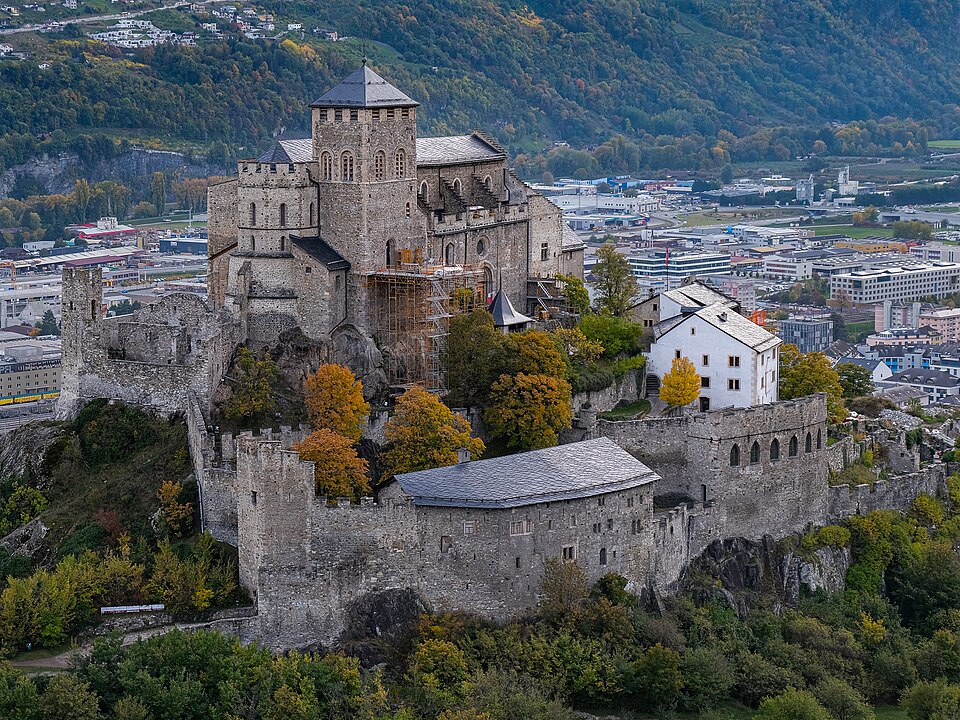
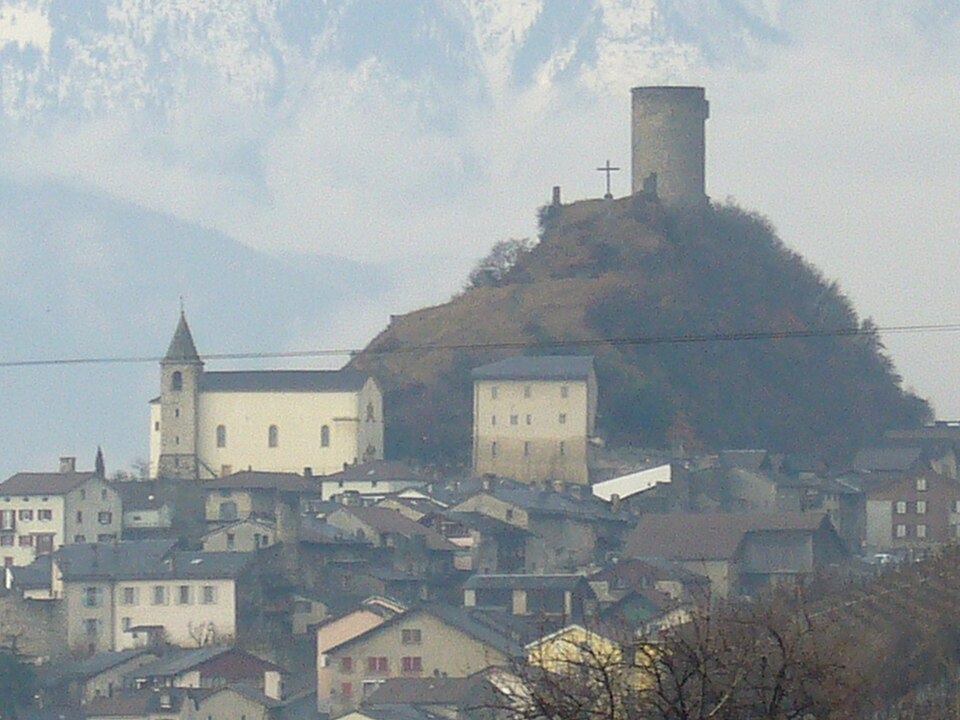
Arriving in Sion, whether by road or train, the first sight is of two rocky hills rising from the Rhône plain, each crowned with battlements. On one side stands Valère, the fortified church of the canons; on the other, Tourbillon, the bishops’ castle. Further along, other ruins cling to the valley’s crags: Montorge, Saillon, Beauregard. All bear the mark of the same rivalry, one that pitted the Counts of Savoy—settled in the lower Valais—against the Bishops of Sion, lords of the upper valley, for two centuries. This autumn, one date looms: Tourbillon closes its doors on the evening of 15 November and will not reopen until mid-March. The All Saints’ holiday, from 17 October to 2 November, offers the perfect window to explore these five sites over a long weekend, bathed in the low, golden light of late autumn.
The valley’s builders
Pierre II de Savoie
vers 1203 - 1268
The seventh son of Count Thomas I, initially destined for the Church, Peter left the clergy in 1234 and married Agnes of Faucigny. Between 1240 and 1260, he subdued much of the Vaud nobility and extended Savoyard influence north of Lake Geneva and into the Chablais. He built the fortress at Saillon and the Aula nova at Chillon (1265), became Count of Savoy in 1263 and died in 1268. The 1419 *Chronicles of Savoy* dubbed him the ‘Little Charlemagne’.
Boniface de Challant
évêque de Sion de 1290 à 1308
Born in the Aosta Valley, Boniface of Challant became Bishop of Sion in 1290. Around 1294, he had Tourbillon erected on the city’s highest hill to protect it from rebellious nobles led by Peter IV of La Tour. He designed the castle as his residence and that of his successors, which it remained until 1788.
Guillaume III de Rarogne
évêque de Sion de 1437 à 1451
From the family that gave its name to the Rarogne affair, William III repaired the damage of 1417 by restoring Tourbillon in the 1440s. He commissioned new painted decoration for the chapel, which he consecrated in 1447 to St George, St Gratus and the Blessed William of Neuchâtel.
Which castle for which visitor
Planning a weekend in Valais
Read next
 François Bonivard, the prisoner of Chillon, and his literary myth
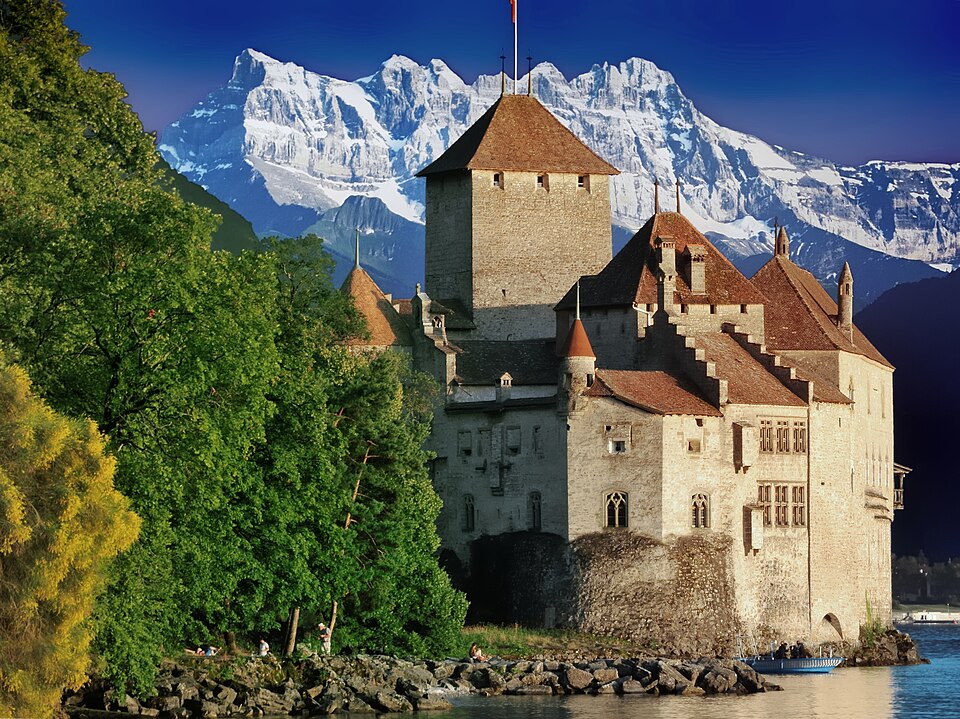
Château de Chillon: the true story of the prisoner immortalised by Byron
The story of Béatrice de Faucigny, the Great Dauphine, and the castles of her fief in Haute-SavoieOn the trail of Béatrice de Faucigny, the Great Dauphine, in Haute-Savoie
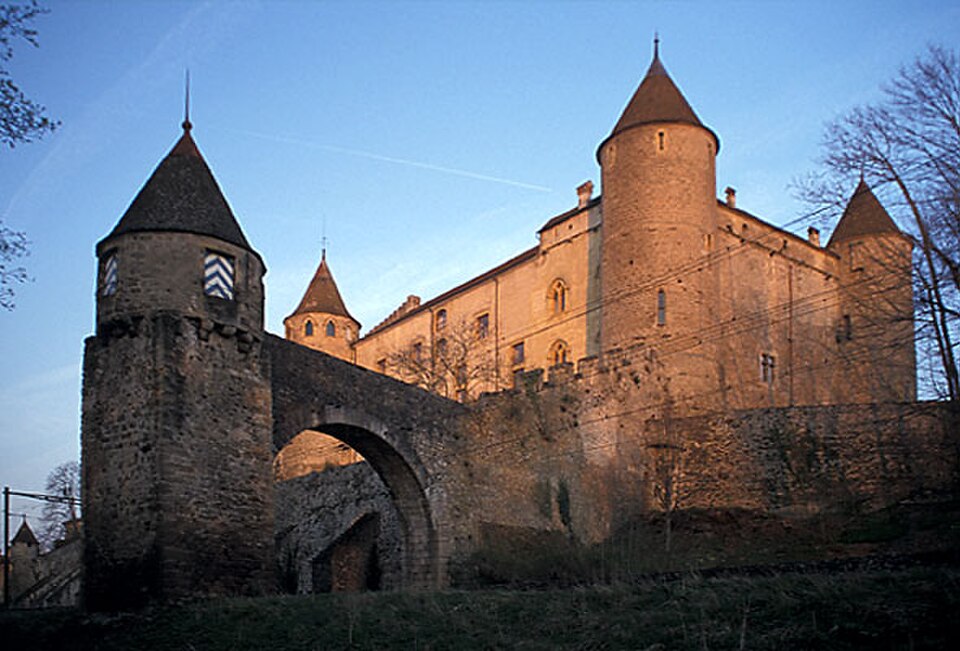 Reopening of Grandson Castle, in Switzerland, 550 years after its battle
Château de Grandson: 550 years after Charles the Bold’s defeat, the castle reopens after 15 years of restoration
Swiss Castles Day 2026: 32 fortresses open their doors on 4 October around the theme of travelSwitzerland: on 4 October, 32 castles open their doors for a day
Sources