
Historical portrait of William the Conqueror through seven castles in Normandy and England, to coincide with the Bayeux Tapestry exhibition at the
William the Conqueror in seven castles: from Brionne to the Tower of London, while the Bayeux Tapestry is in London
The Bayeux Tapestry is on display at the British Museum until 11 July 2027. Seven castles, from Brionne and Caen to Hastings, Berkhamsted and the Tower of London, tell the story of William the Conqueror’s rise in stone.
Editorial journal · Carte des Châteaux ·
Normandie – Angleterre
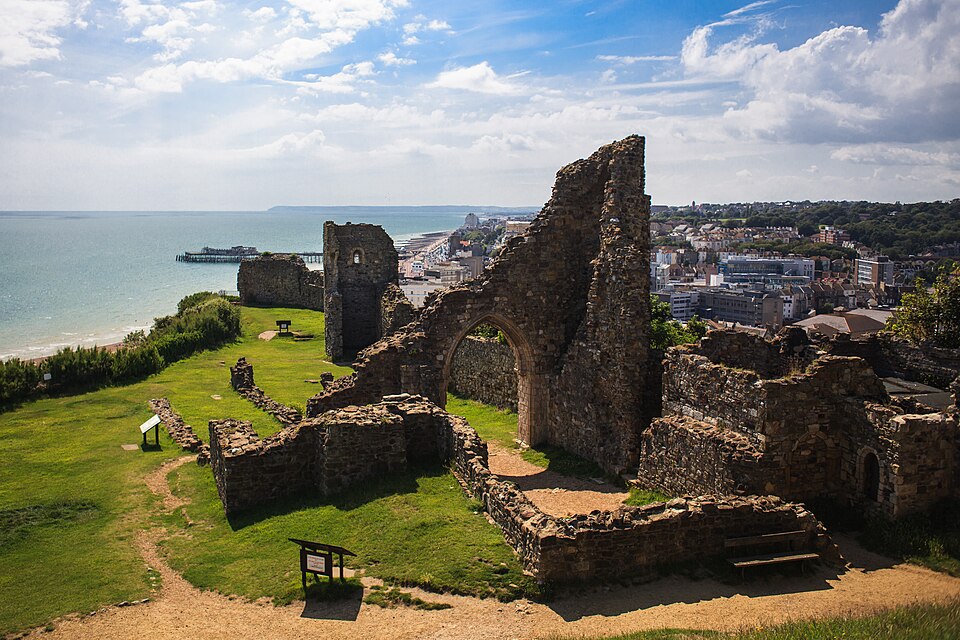
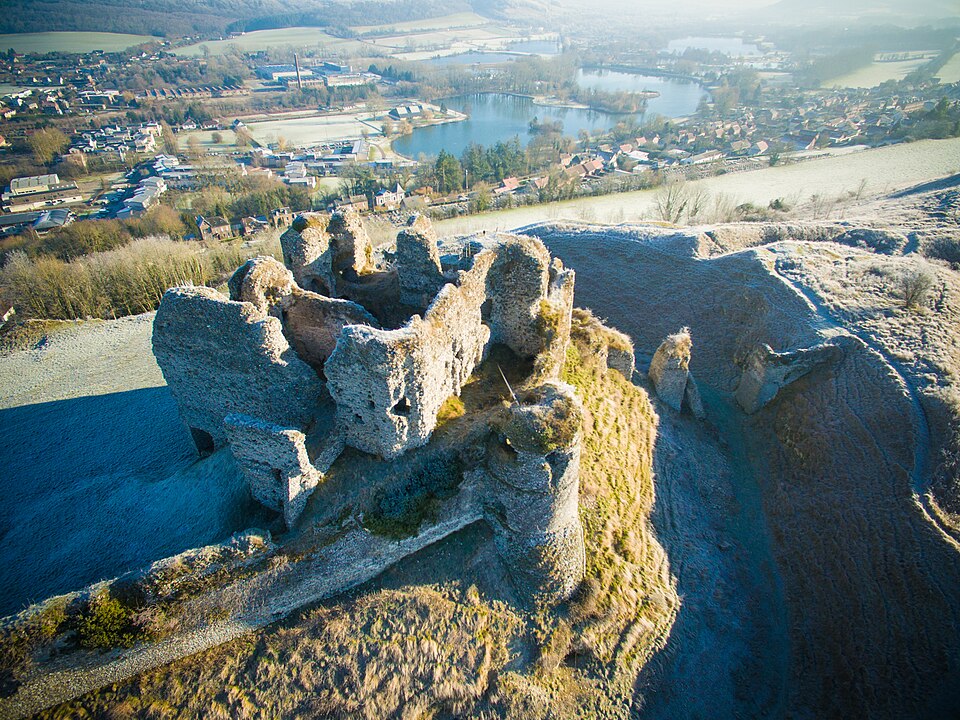
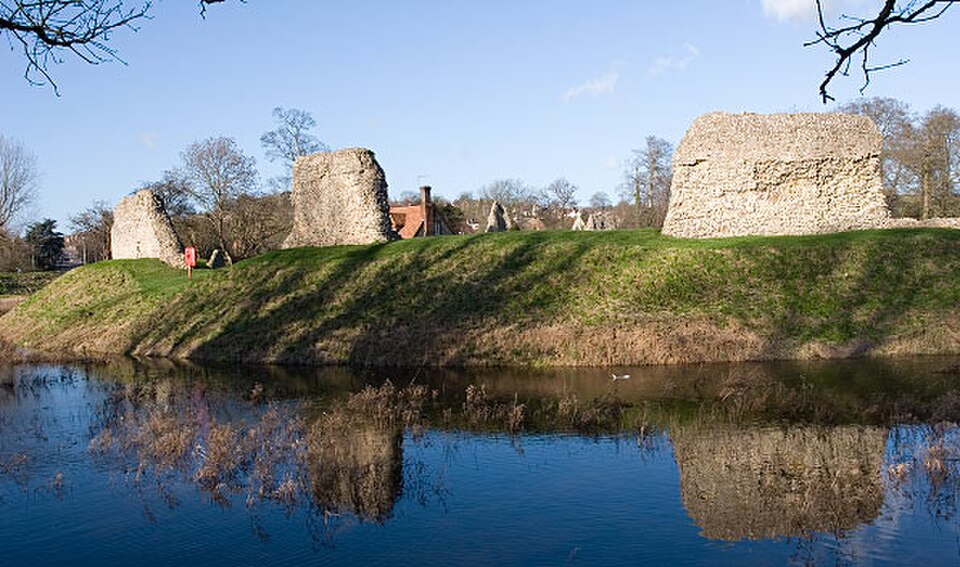
To see the Bayeux Tapestry this winter, you’ll need to cross the Channel. Since 10 September 2026, the grand embroidery has been on display at the British Museum in London, where it will remain until summer 2027—a loan France had never previously granted, despite similar attempts in 1953 and 1966. The English have made it the centrepiece of a 'Year of the Normans', marking in 2027 the millennium of William’s birth, who was born in Falaise around 1027–1028. The Tapestry tells the story of the 1066 conquest in images; the castles, meanwhile, preserve its stones. Seven of them allow us to follow the duke from his early wars against his own barons to the keeps he built to secure his new kingdom. Three are in Normandy, four in England, and one unexpected detail links the two shores: Caen stone.
Organiser le voyage
Dans l'entourage du Conquérant
Mathilde de Flandre
vers 1031 - 1083
Fille du comte Baudouin V de Flandre et nièce par sa mère du roi de France Henri Ier, elle épouse Guillaume au début des années 1050. Couronnée reine d'Angleterre en 1068, elle gouverne souvent la Normandie en l'absence de son mari. Elle fonde avec lui l'abbaye aux Dames de Caen, où elle est inhumée en 1083.
Odon de Bayeux
vers 1035 - 1097
Demi-frère utérin de Guillaume, évêque de Bayeux dès 1049 et comte de Kent après la Conquête. Il combat à Hastings et passe pour le commanditaire le plus probable de la Tapisserie, destinée à sa cathédrale. Emprisonné par Guillaume en 1082, il meurt en route vers la croisade.
Robert de Mortain
vers 1031 - vers 1095
Autre demi-frère du duc, comte de Mortain, il fournit des navires à la flotte de 1066 et reçoit en Angleterre l'un des plus vastes ensembles de terres de la Conquête, notamment en Cornouailles. Il fait élever le château de Berkhamsted vers 1070.
Gundulf de Rochester
vers 1024 - 1108
Moine du Bec puis de Saint-Étienne de Caen, il suit Lanfranc en Angleterre et devient évêque de Rochester en 1077. Bâtisseur réputé, on lui attribue la conception de la Tour blanche de Londres, ainsi que la reconstruction de sa cathédrale.
The route on the map
In the footsteps of William, from the Risle to the Thames
The seven castles in chronological order: Brionne (1047), Arques (1053) and Caen (c. 1060) in Normandy, then Hastings and Berkhamsted (1066), Colchester (1070s) and the White Tower in London (c. 1078) in England.
Markers follow the suggested visiting order. Select a castle to open its page.
Read next
Three-day road trip in Normandy: from Balleroy to the Pays d'Auge via Caen
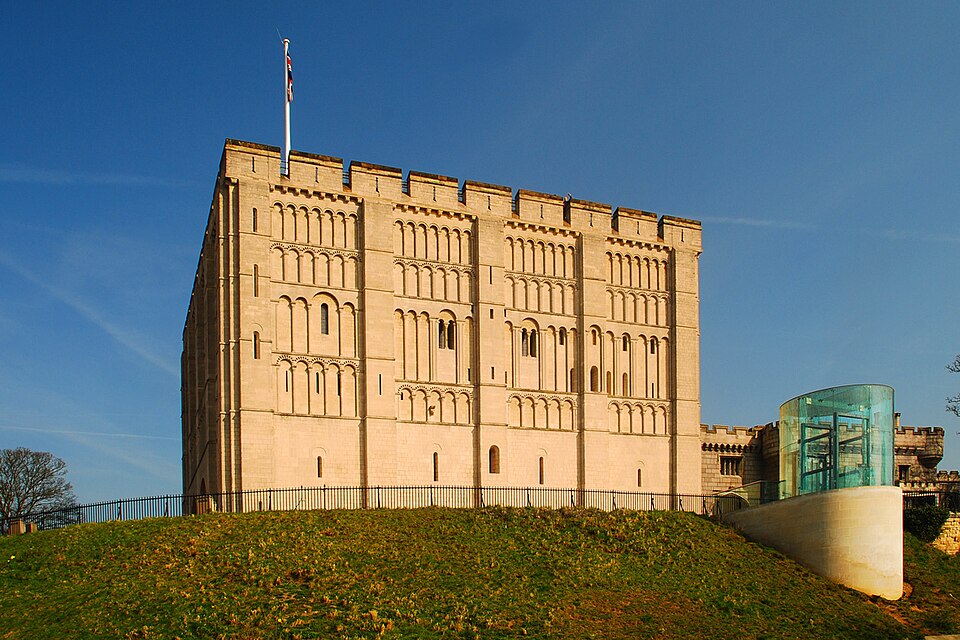 Exploring the Norman keep of Norwich Castle after its restoration and the opening of a new medieval gallery
Norwich Castle: explore the Norman keep reopened across five levels
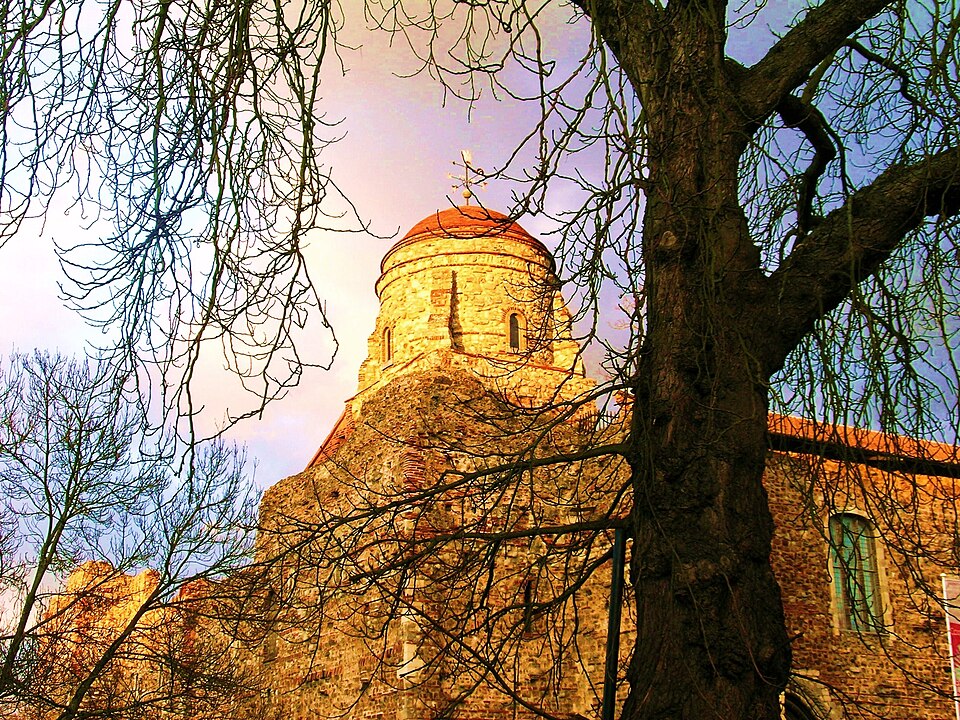 Luke Jerram’s Museum of the Moon artistic installation at Colchester Castle, England
Museum of the Moon: a six-metre moon suspended at Colchester Castle
 Understanding heritage vocabulary: château, castle, fortress and palace
Château, castle, fortress, palace: what’s the difference?
Sources