En un regard
Le château en bref
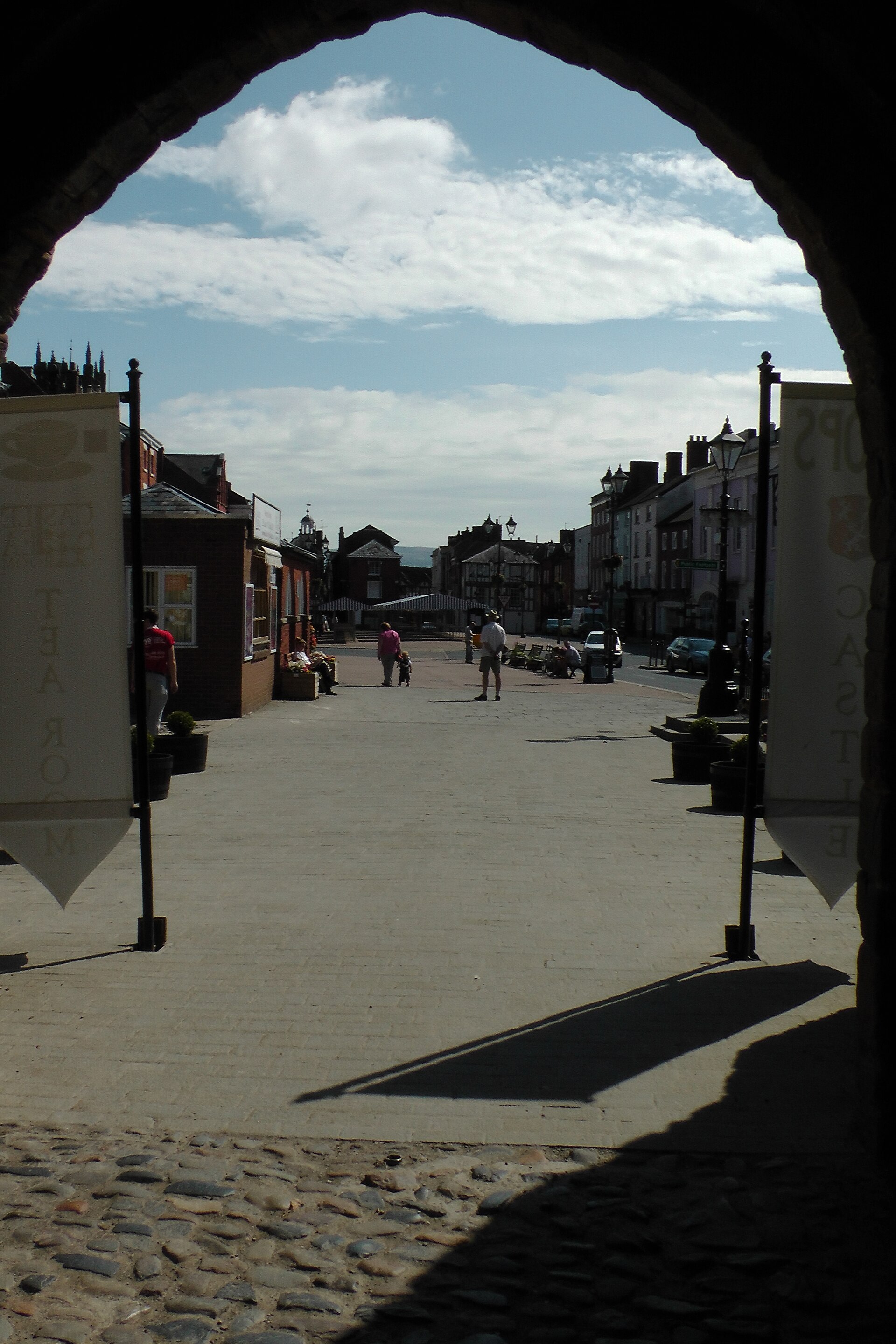
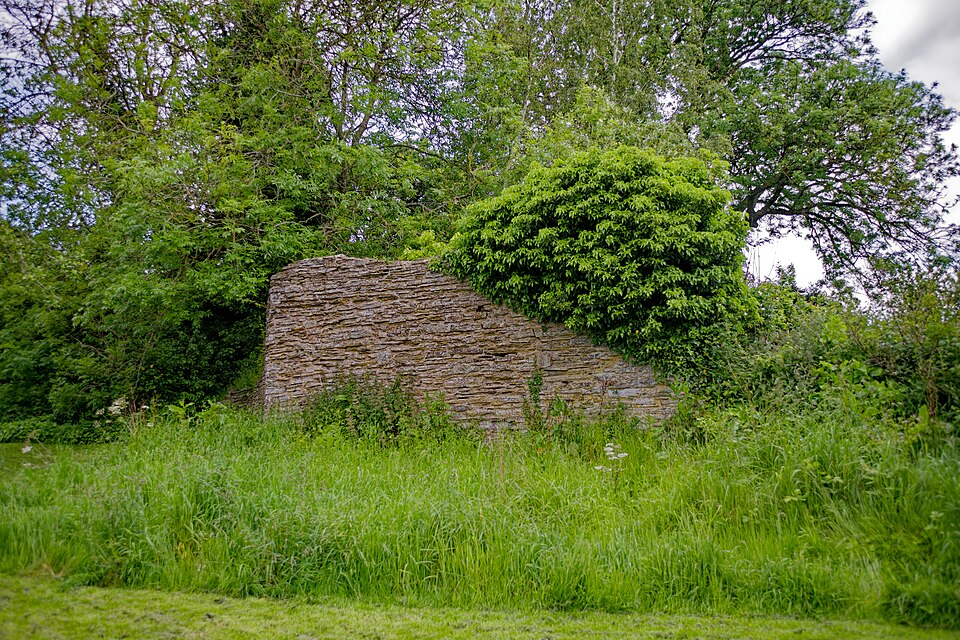
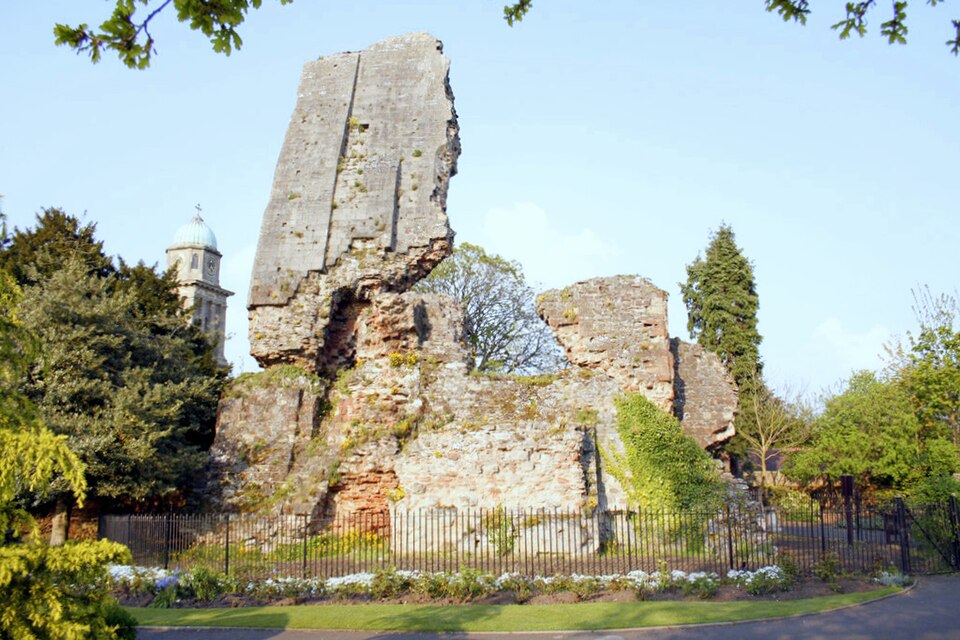
Ludlow Castle is a vast ruined medieval fortress, built on a promontory above the River Teme at the north-west corner of the town of Ludlow in Shropshire. Historic England counts it among the finest and best-preserved castles in England. It was probably founded around 1075 by Walter de Lacy as the principal residence and administrative centre of his family's estates in the Welsh Marches.
In the early 12th century the original gatehouse was converted into a tower keep, the Great Tower. The remarkable round chapel of St Mary Magdalene was built in the same period. In 1139, during the Anarchy, King Stephen besieged the castle, then held for Matilda. In the second half of the 12th century a huge outer bailey quadrupled the size of the site, and the town grew up at the foot of the castle. After the death of Walter de Lacy in 1241 the estate passed to the de Genevilles, and then by marriage to the Mortimers in the early 14th century. Roger Mortimer embellished the residence (great hall, Great Chamber block) and founded St Peter's Chapel there in 1324. In 1425 the castle passed to Richard, Duke of York, and under Edward IV it became a royal fortress.
From 1473 Ludlow was home to the Council in the Marches, which governed Wales and the border region until 1689, with an interruption from 1641 to 1660. Prince Arthur took up residence around 1502. Under the presidency of Sir Henry Sidney (1560-1586) major building works were undertaken, including the Judges' Lodgings (1581). After the Council was dissolved the castle was abandoned and its materials were reused in buildings in the town. Leased to the Earls of Powis in 1771, it was repaired and landscaped in the late 18th century, then excavated by W. H. St John Hope between 1903 and 1907. Today it is open to the public every day.