Plymouth Devon Angleterre

Forder Battery

Forder Battery is one of the works of the land line built in the 1860s north-east of Plymouth, following the 1859 Royal Commission, to protect Devonport Dockyard from an attack from inland.

Époque
1863–1869
Style
Fort de la Royal Commission (Palmerston Fort)

En un regard

Le château en bref

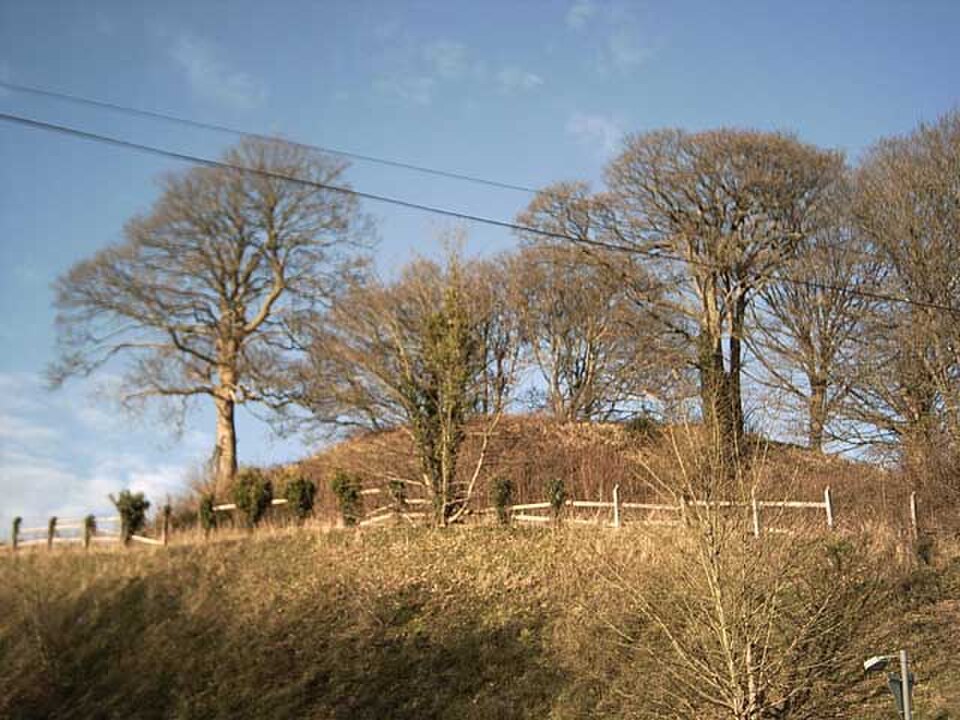
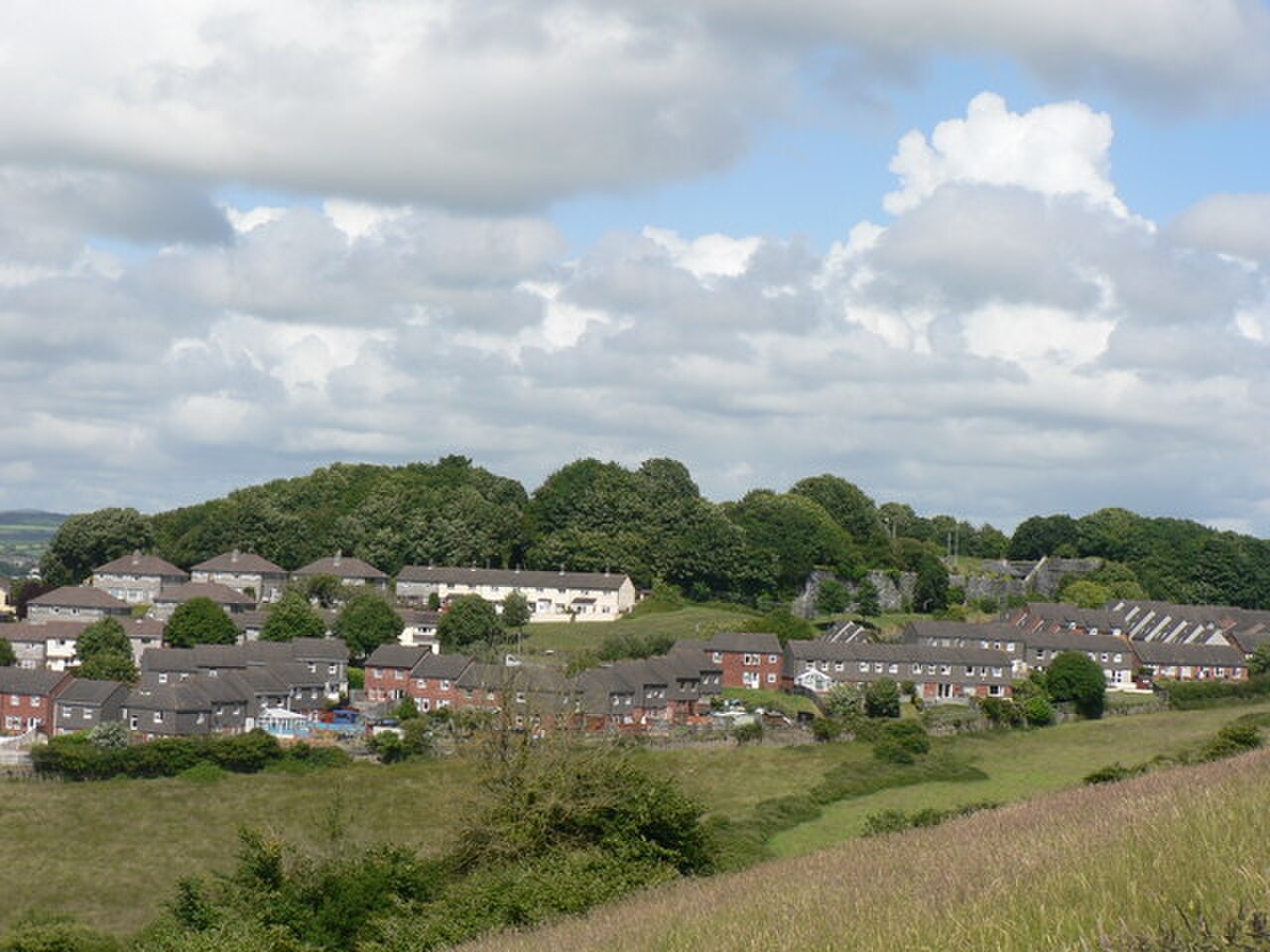
Forder Battery is one of the works of the land line built in the 1860s north-east of Plymouth, following the 1859 Royal Commission, to protect Devonport Dockyard from an attack from inland. It occupied the edge of the Forder valley, in the immediate vicinity of Eggbuckland Keep, Bowden Battery and Austin Fort. These four works formed a coherent arrowhead-shaped group, linked by a military road on an embankment. The battery had no barracks of its own: its garrison was housed in Eggbuckland Keep, to which it was connected by a tunnel, while Bowden Battery covered its northern front. Having become obsolete, it was disarmed in the early 20th century and then disposed of by the War Office; a large part of the site has been built over. Only about half of it survives, overgrown with vegetation, where service magazines and gun emplacements can still be made out. The site, covered by a Plymouth City Council tree preservation order, is not open to the public.

À remarquer

  • Magasins de service
  • Emplacements d'artillerie
  • Tunnel vers Eggbuckland Keep
Époque de construction
1863–1869
Localisation
Plymouth, Devon
Accès au public
Non ouvert au public
Usage actuel
vestiges en zone résidentielle

Pourquoi le découvrir

Deux raisons de découvrir Forder Battery

  1. Élément du groupe défensif nord-est de Plymouth

    Lire son histoire
  2. Relié par tunnel à Eggbuckland Keep

    Parcourir la chronologie

Récit

Une histoire à travers les siècles

Le récit

L’histoire de Forder Battery

Construite vers 1863-1869 dans le cadre du programme de fortification de Plymouth issu de la Royal Commission de 1859, la batterie faisait partie du groupe nord-est formé avec Bowden Battery, Austin Fort et Eggbuckland Keep, ce dernier servant de caserne et de magasin principal. Désarmée au début du XXe siècle, elle fut vendue par le War Office et en grande partie démolie pour laisser place à des logements.

Chronologie

Les étapes de construction

Les campagnes documentées qui ont façonné le monument, période par période.

Révolution & XIXᵉ siècle

  1. 1863–1869

    Construction

    Construction de la batterie dans le programme de la Royal Commission de 1859 (dates d'après Woodward 1996, cité par Wikipedia).

Informations pratiques

Préparer sa visite

Non ouvert au public

Le château ne se visite pas. Merci de respecter la propriété et la vie privée des occupants.

Horaires
Vestiges non ouverts au public.

Informations vérifiées le 18 octobre 2026. Elles peuvent changer : confirmez auprès du site avant votre venue.

Vous l’avez visité ?

Aucune photo pour l’instant : partagez la vôtre

Après relecture, votre photo illustrera cette fiche, créditée à votre nom. Haute définition bienvenue, jusqu’à 40 Mo.

Propriétaires et gestionnaires

Vous gérez Forder Battery ?

Horaires, tarifs et réservation manquent encore sur cette fiche. Transmettez-les et mettez le château en avant auprès des visiteurs qui préparent leur venue.