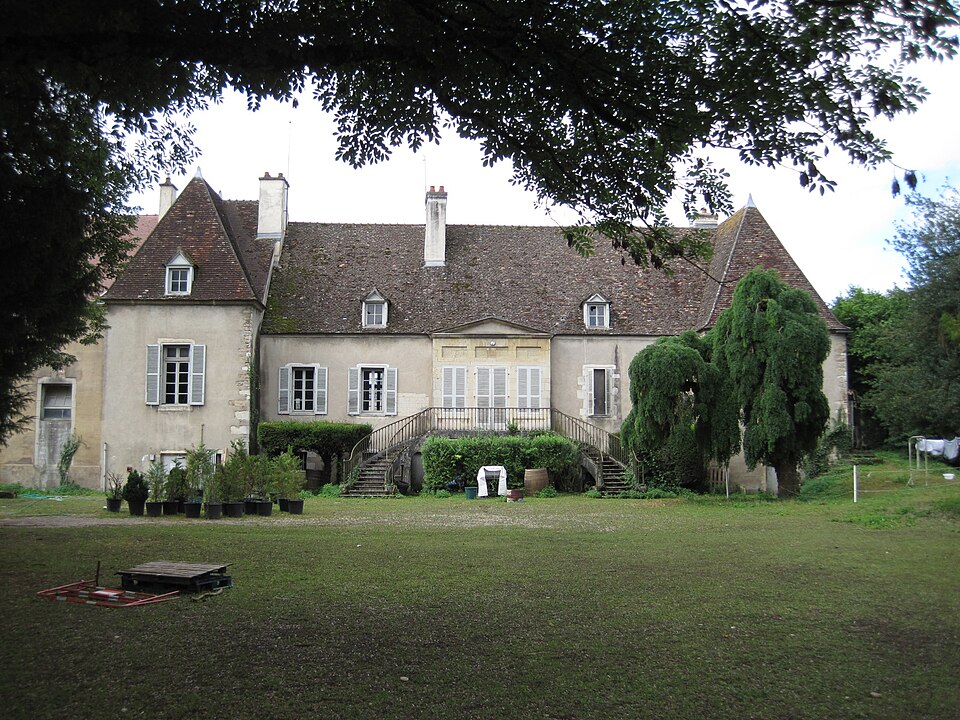
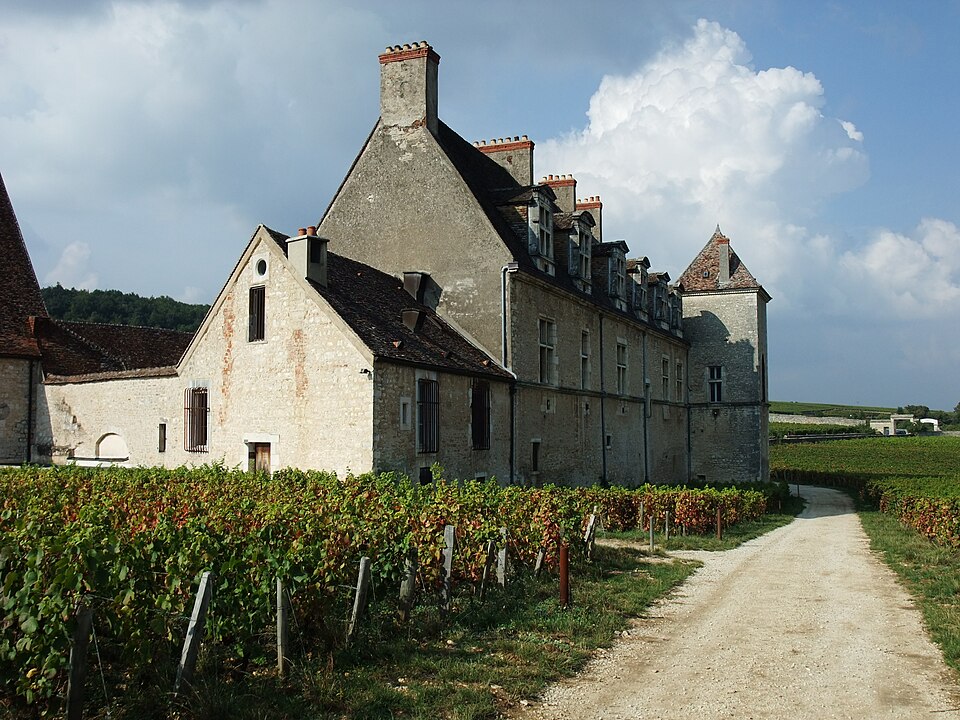
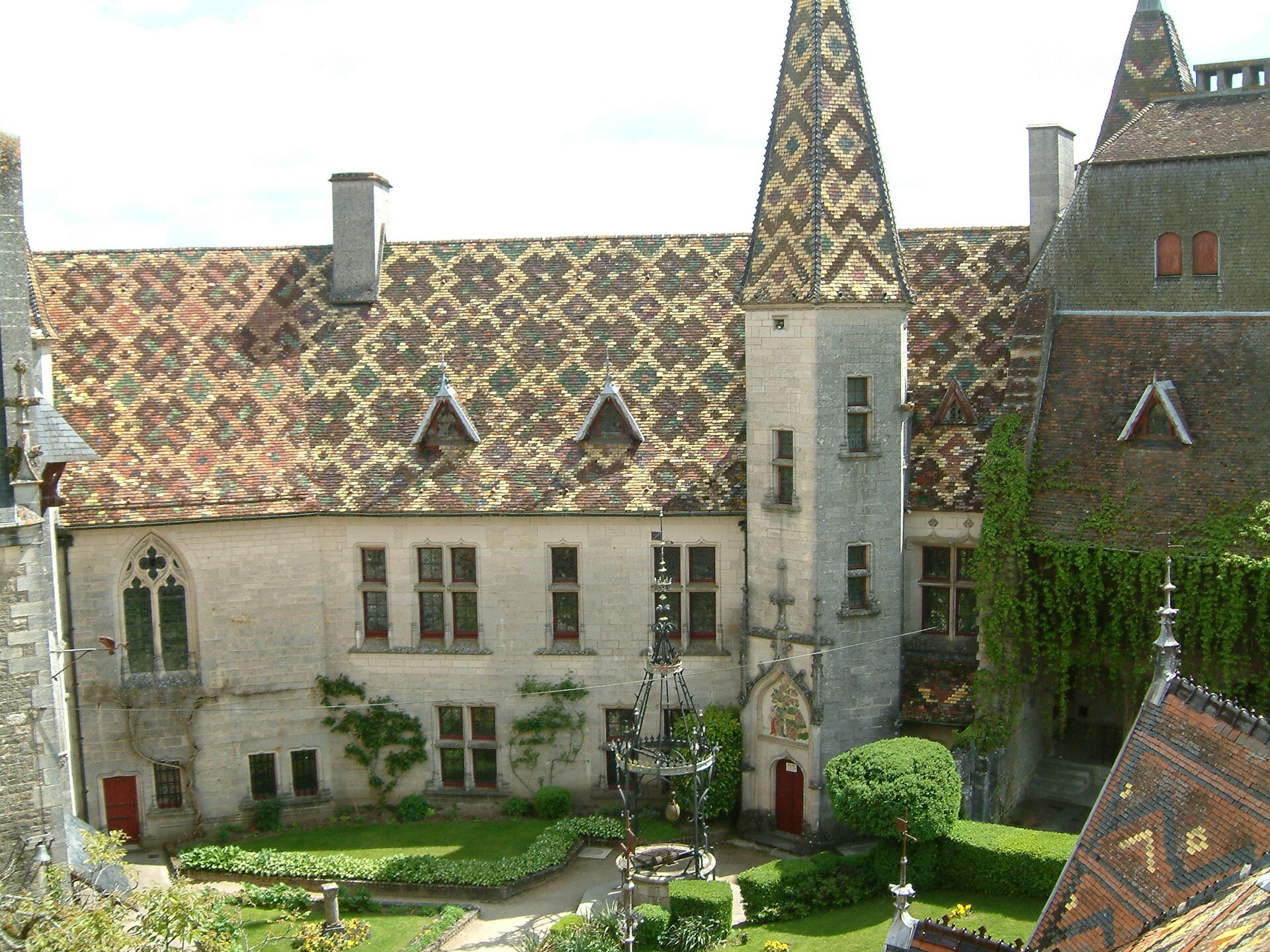
Château de La Rochepot - Château de La Rochepot et ses toits de tuiles vernisssées

La Rochepot Côte-d’Or

Château de La Rochepot

The Château de La Rochepot, some fifteen kilometres south-west of Beaune, occupies a site fortified from the 13th century by the lords of Roche-Nolay; an earlier occupation may have existed in the 11th century under Alexander of Burgundy.

Époque
XIᵉ siècle (1100)
Préparer la visite

En un regard

Le château en bref

The Château de La Rochepot, some fifteen kilometres south-west of Beaune, occupies a site fortified from the 13th century by the lords of Roche-Nolay; an earlier occupation may have existed in the 11th century under Alexander of Burgundy. In 1403, Régnier Pot, knight of the Golden Fleece, bought the ruins and had a new building erected lower down; his son Philippe Pot (born in 1428), the famous knight of the Golden Fleece whose tomb is preserved in the Louvre, grew up there. Sold as national property in 1799, the château was dismantled during the Revolution, its 30-metre keep and its church being destroyed. From 1893, Colonel Sadi Carnot, son of the widow of the assassinated President Sadi Carnot, undertook its restoration with the architect Charles Suisse, a disciple of Viollet-le-Duc, basing the work on medieval engravings: the works lasted more than 25 years to reconstruct the 15th-century parts. Famous for its roofs of Burgundian glazed tiles, comparable to those of the Hôtel-Dieu in Beaune, the château retains a well cut into the rock to a depth of 70 metres, machicolations and defensive towers. Visited by some 30,000 people a year before 2018, it was acquired in 2015 by a Ukrainian owner prosecuted for money laundering, then seized in 2022 following his conviction and a confiscation procedure.

Époque de construction
XIᵉ siècle (1100)
Localisation
La Rochepot, COTE D'OR

Récit

Une histoire à travers les siècles

Le récit

L’histoire de Château de La Rochepot

Fortifié dès le XIIIe siècle par les seigneurs de Roche-Nolay. Régnier Pot achète les ruines en 1403 et édifie un nouveau château ; son fils Philippe Pot, chevalier de la Toison d'or, y grandit.

Lire la suiteRéduire

Démantelé à la Révolution (vente comme bien national en 1799). Restauré à partir de 1893 par le colonel Sadi Carnot avec l'architecte Charles Suisse. Acquis en 2015 par un propriétaire ukrainien, saisi en 2022 après condamnation pour blanchiment d'argent.

L’architecture

Ce qu’il faut observer

Style gothique bourguignon du XIIe siècle, remanié au XVe siècle par la famille Pot, puis entièrement restauré au XIXe-XXe siècle avec des toitures de tuiles vernissees polychromes caractéristiques de la Bourgogne. Le site conserve un puits taillé dans le roc de 70 mètres de profondeur, des mâchicoulis et plusieurs tours défensives.

Chronologie

Les étapes de construction

Les campagnes documentées qui ont façonné le monument, période par période.

Moyen Âge

  1. XIe siècle (hypothèse)

    ÉvolutionDatation à confirmer

    Occupation antérieure possible sous Alexandre de Bourgogne.

  2. XIIIe siècle

    ÉvolutionDatation à confirmer

    Fortification par les seigneurs de Roche-Nolay.

  3. 1403

    ÉvolutionDatation à confirmer

    Achat des ruines par Régnier Pot, chevalier de la Toison d'or, et construction d'un nouvel édifice.

Informations pratiques

Préparer sa visite

Conditions de visite non renseignées

Nous n’avons pas encore d’information vérifiée sur l’ouverture au public. Renseignez-vous auprès du site officiel ou de la mairie avant de vous déplacer.

Vous l’avez visité ?

Partagez vos photos

Après relecture, votre photo illustrera cette fiche, créditée à votre nom. Haute définition bienvenue, jusqu’à 40 Mo.

Propriétaires et gestionnaires

Vous gérez Château de La Rochepot ?

Horaires, tarifs et réservation manquent encore sur cette fiche. Transmettez-les et mettez le château en avant auprès des visiteurs qui préparent leur venue.