
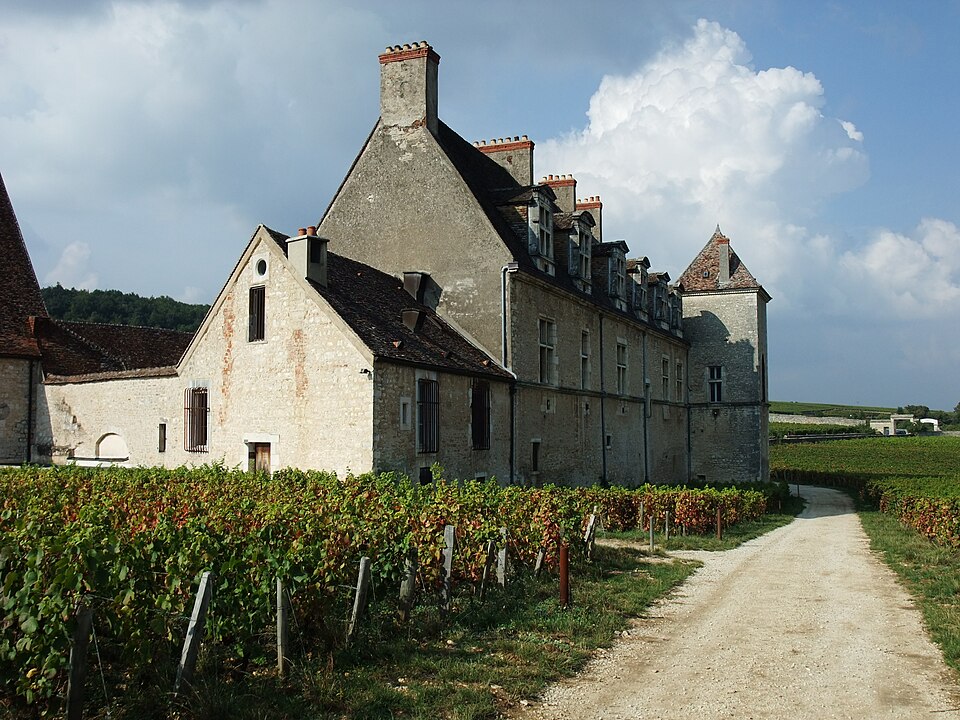
Châteaux of the Côte-d'Or linked to the Trois Glorieuses and the 2026 Hospices de Beaune wine auction
Trois Glorieuses 2026: six châteaux of the Côte-d'Or, from Clos de Vougeot to La Rochepot
Chapter of the Tastevin at Clos de Vougeot, 166th sale of the Hospices de Beaune and Paulée de Meursault from 14 to 16 November 2026: six châteaux of the Côte, from Gevrey to La Rochepot, to provide a backdrop for the celebrations.
Editorial journal · Carte des Châteaux ·
Côte-d'Or, 14-16 novembre
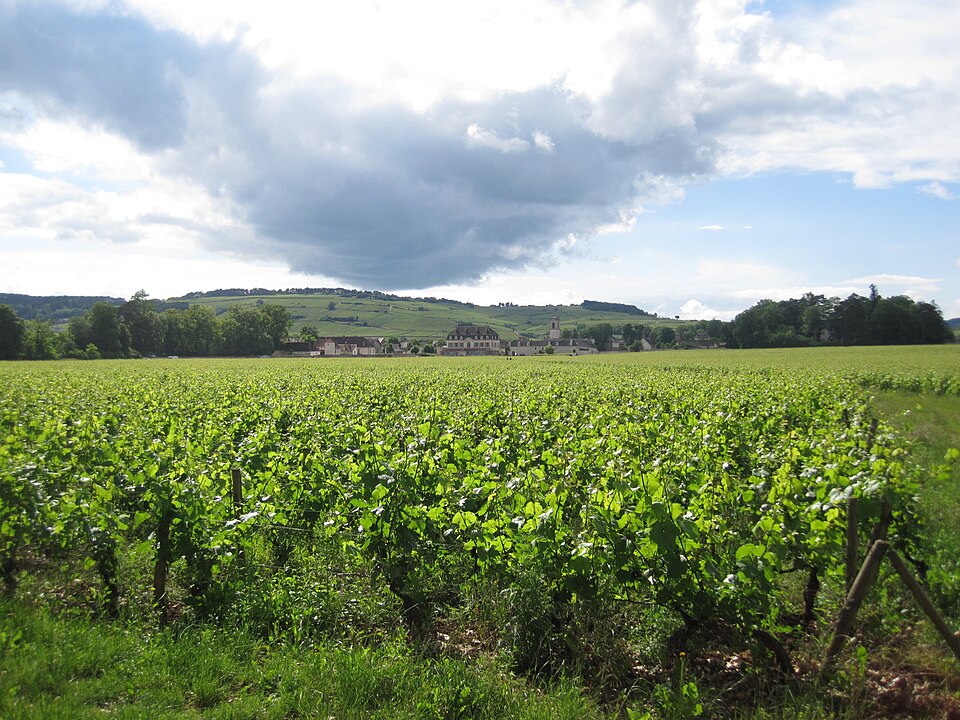
The third weekend of November sees Beaune come alive with the Trois Glorieuses. On Saturday 14 November 2026, the Chevaliers du Tastevin hold their chapter at Clos de Vougeot; on Sunday 15 November at 14:30, the 166th Hospices de Beaune wine auction opens under the market halls; on Monday 16 November, the Paulée gathers winemakers and enthusiasts at the château de Meursault. This year, the pièce des Présidents—the barrel sold for charity—will for the first time be a Clos de Vougeot grand cru, with proceeds going to ARSLA and DEBRA France, two charities dedicated to rare diseases. Behind these three events lies a geography: some forty kilometres of slopes between Gevrey-Chambertin and La Rochepot, where monks, the dukes of Burgundy and then négociants have left châteaux that each tell a different story of vineyard ownership. Here are six stops, from north to south, to set the scene for the celebrations.
Three Burgundians behind the stones and vines
Philippe le Hardi
1342-1404
Fourth son of King John the Good, he fought alongside him at Poitiers in 1356 and shared his captivity in England. Made Duke of Burgundy in 1363, he married Margaret of Flanders in 1369, heiress to the rich northern counties, and founded the power of the Valois dukes. He commissioned the Chartreuse de Champmol near Dijon to house his tomb.
Nicolas Rolin
1376-1462
Chancellor to Duke Philip the Good for nearly forty years, he founded in 1443 with his wife Guigone de Salins the Hôtel-Dieu de Beaune, a hospital for the poor. The vineyards bequeathed over the centuries to this institution form the estate whose wines are auctioned each November.
Philippe Pot
1428-1493
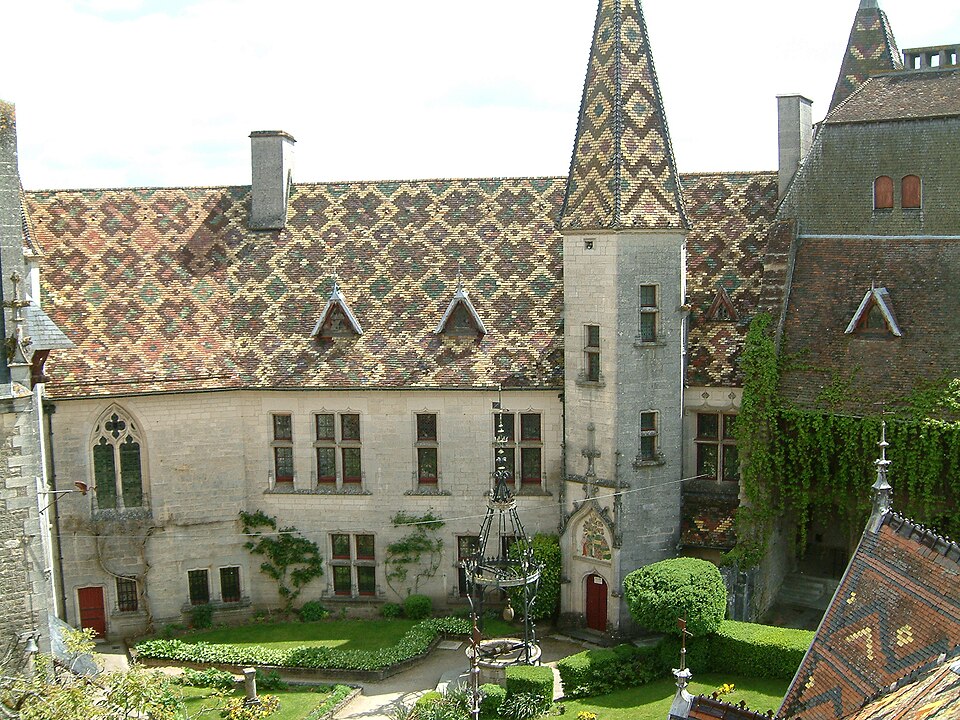
Godson of Philip the Good, he grew up in the family château de La Rochepot and became a knight of the Golden Fleece in 1461, then Grand Seneschal of Burgundy. He sided with Louis XI after the death of Charles the Bold and distinguished himself with his speech to the Estates General of Tours in 1484. His tomb with its eight weepers, originally from the abbey of Cîteaux, is now housed in the Louvre.
To extend your journey
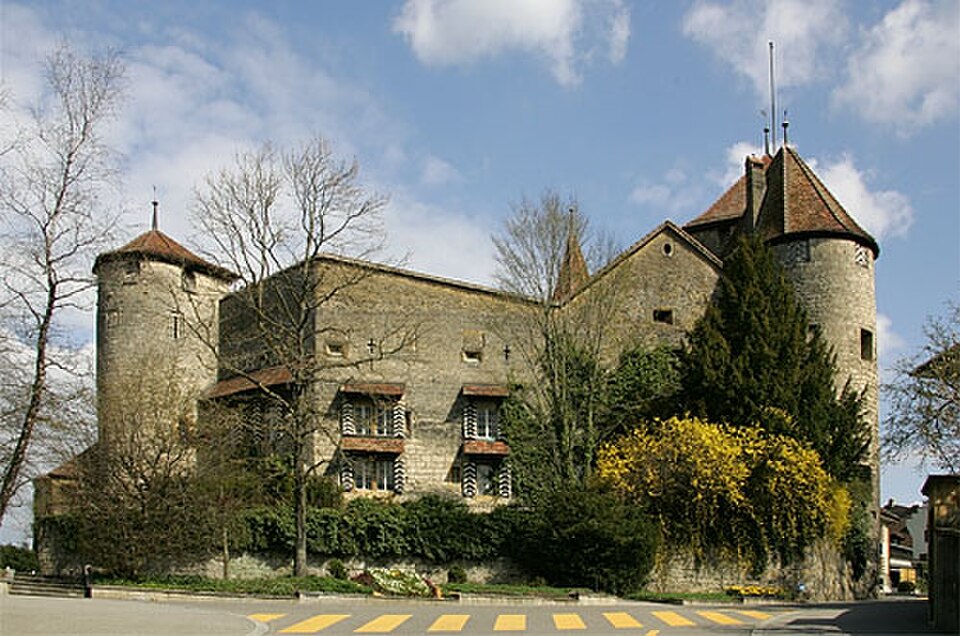 Historical portrait of Charles the Bold, Duke of Burgundy, through five castles in France and Switzerland linked to his life and the Burgundian Wars
Charles the Bold in five castles: from Charolles to Murten, the fall of Burgundy’s last great duke
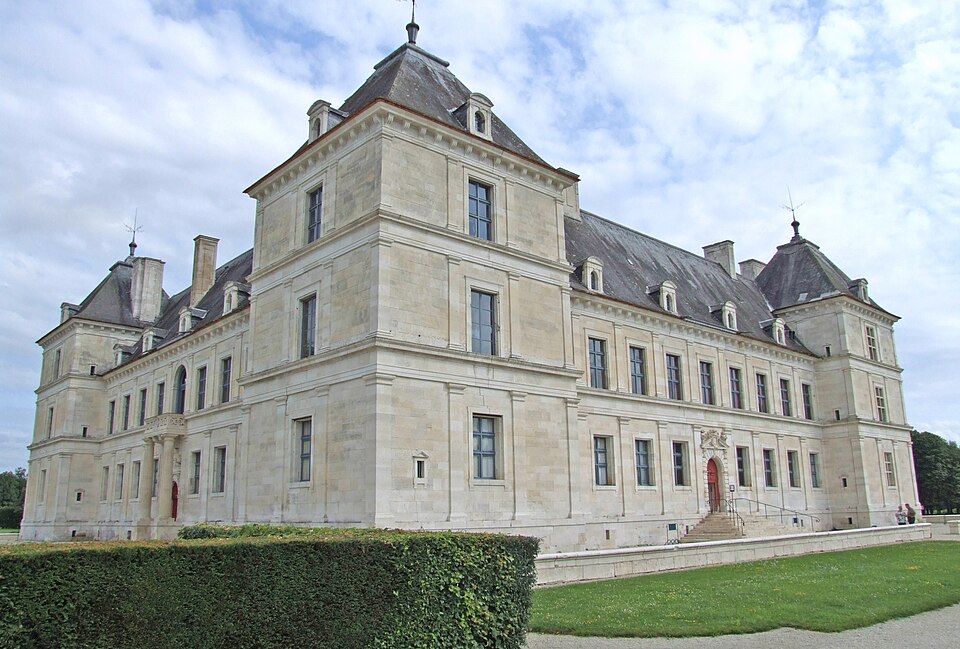 Three-day road trip through the châteaux of the Auxois and Tonnerrois regions in Burgundy
Road trip in Burgundy: from the Ducal Auxois to the Renaissance châteaux of the Tonnerrois
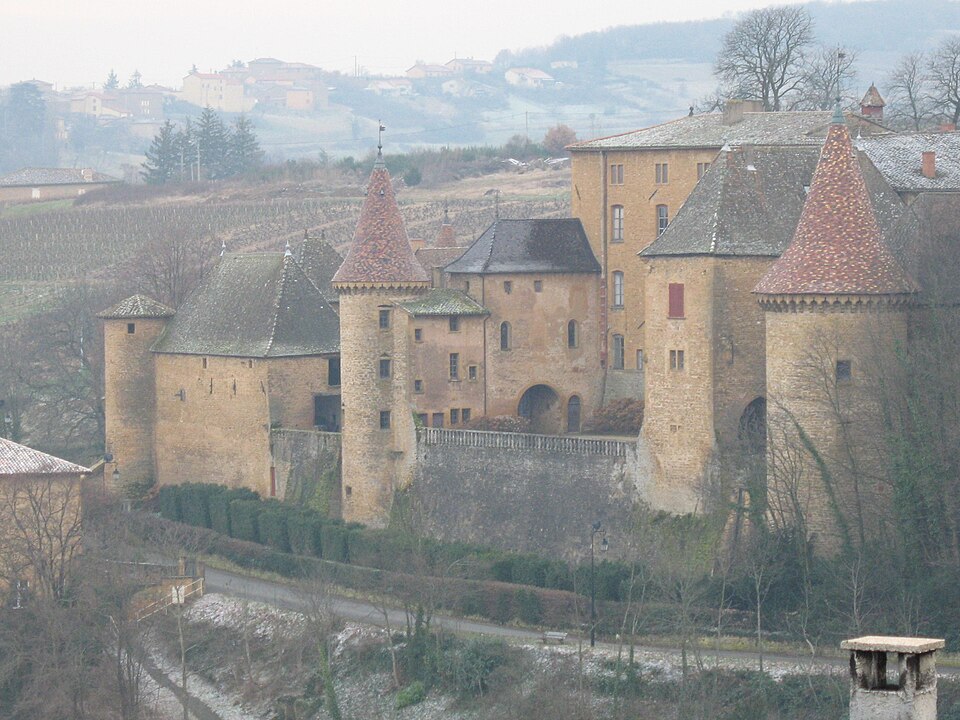 A two-day itinerary through the châteaux of Beaujolais for the release of Beaujolais nouveau 2026
Beaujolais nouveau 2026: 2 days on the road of châteaux, from Pierres Dorées to crus
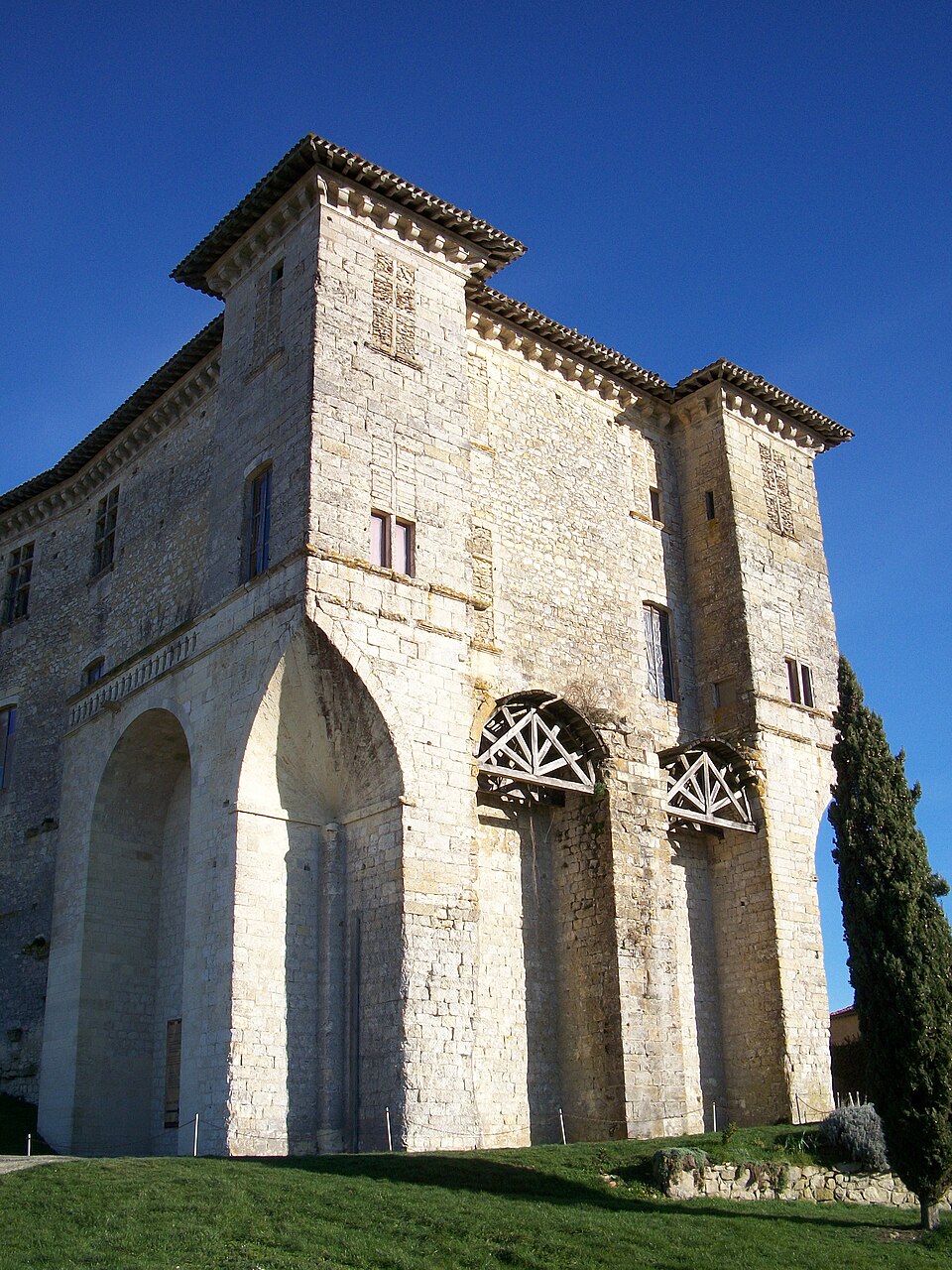 A two-day itinerary through the castles of the Gers during the Flame of Armagnac 2026 (Montréal, 14–15 November)
Flame of Armagnac: A Two-Day Château-Hopping Itinerary in the Gers
The route on the map
Six châteaux along the Côte, from Gevrey to La Rochepot
From north to south: Gevrey-Chambertin and Clos de Vougeot in the Côte de Nuits, then Pommard, Meursault and Santenay in the Côte de Beaune, before a detour to the valley of La Rochepot.
Markers follow the suggested visiting order. Select a castle to open its page.
Sources