
Three-day road trip through the châteaux of the Auxois and Tonnerrois regions in Burgundy
Road trip in Burgundy: from the Ducal Auxois to the Renaissance châteaux of the Tonnerrois
Three days in Côte-d'Or and the Yonne, from the fortress of Châteauneuf-en-Auxois to the Renaissance palaces of Ancy-le-Franc and Tanlay, on the doorstep of the Chablis vineyards: a heritage road trip for curious minds and lovers of fine stonework.
Editorial journal · Carte des Châteaux ·
Burgundy is not just about its vineyards: within an hour’s drive of each other, two pockets of its territory boast some of the region’s finest châteaux. To the west, the Auxois rises on its rocky outcrops with ducal fortresses still bristling with towers; to the east, the Tonnerrois lines up Italian Renaissance mansions, born of the wealth of 16th-century financiers and bishops. Here’s a three-day itinerary to connect these two faces of Burgundy’s castle heritage, from the square keep of Châteauneuf-en-Auxois to the moats of Tanlay.
COTE D'OR · Châteauneuf-en-Auxois
Château de Châteauneuf-en-Auxois
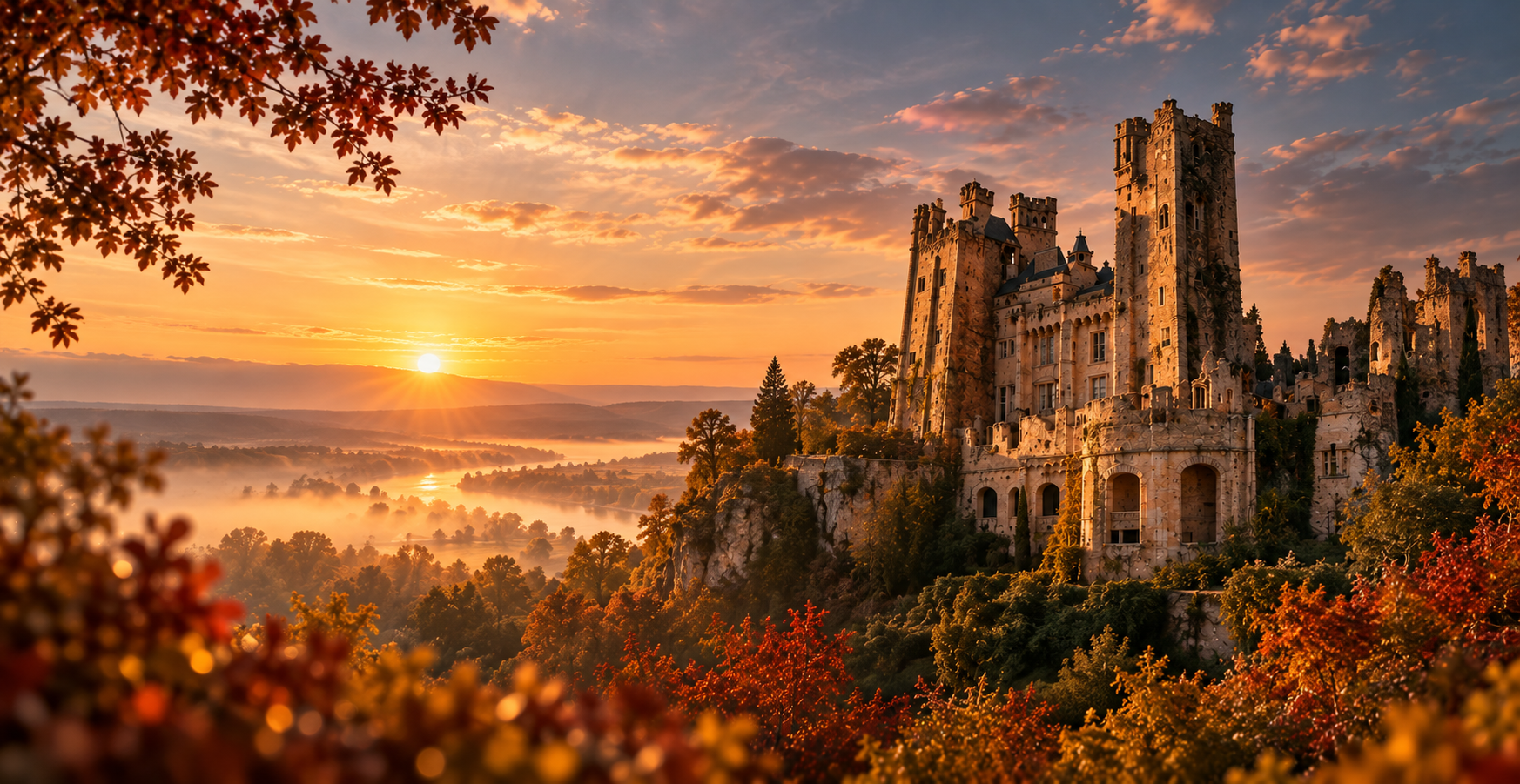
Construit en 1132 par Jean de Chaudenay pour son fils, le château de Châteauneuf-en-Auxois resta neuf générations dans la même famille jusqu'à l'exécution de Catherine de Châteauneuf en 1456. Cédé par Philippe le Bon à Philippe Pot en 1457, il fut transformé en demeure seigneuriale (logis et chapelle gothique flamboyant du XVe siècle), puis passé aux mains des Montmorency, Luxembourg-Piney et Vienne-Commarin avant d'être vendu à des banquiers en 1767. Le comte de Vogüé le cède à l'État en 1936 ; géré par le conseil régional depuis 1971, ce chef-d'œuvre de l'architecture militaire bourguignonne, classé parmi les plus beaux villages de France, est ouvert à la visite.
COTE D'OR · Commarin
Château de Commarin
Le château de Commarin, dont l'origine remonte à une maison forte mentionnée dès 1214 aux mains de cadets de la ligne de Sombernon issus de la maison ducale de Bourgogne, conserve les douves et les deux tours rondes du premier édifice du XIVe siècle dans sa reconstruction du XVIIe siècle, menée par Charles de Vienne. Marie-Judith de Vienne, grand-mère du prince-évêque Talleyrand, le modernise au XVIIIe siècle (tours carrées, écuries, communs) ; ses appartements sont conservés en l'état. Resté dans la même famille pendant vingt-six générations, il conserve une chapelle ornée de statues et de tapisseries héraldiques et alchimiques du XVIe siècle, ainsi qu'un Grand Salon, principale pièce de réception. Classé monument historique depuis 1949, il se visite en visite guidée et accueille mariages et réceptions.
Opening hours, admission fees and visiting conditions may vary from season to season, so it’s best to check the official websites of each château before setting off.
YONNE · Ancy-le-Franc
Château d'Ancy-le-Franc
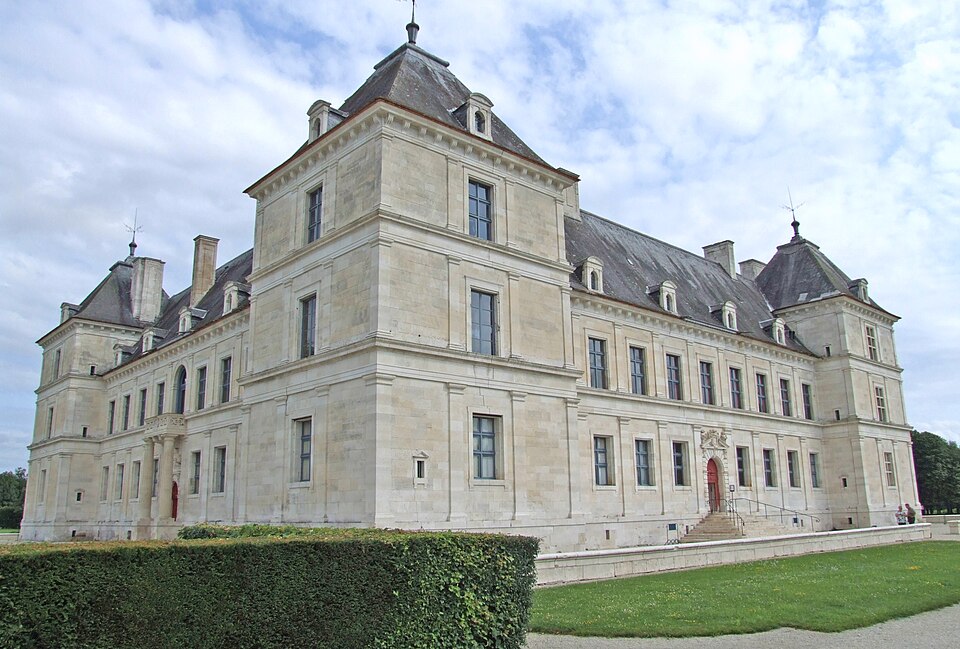
Le château d'Ancy-le-Franc (1538-1546), situé dans la commune d'Ancy-le-Franc dans le département français de l'Yonne en Bourgogne, est une œuvre architecturale de l'italien Sebastiano Serlio, réalisée pour Antoine III de Clermont-Tonnerre (1498-1578), beau-frère de Diane de Poitiers. Représentant un véritable tournant stylistique, l'édifice est l'une des premières réalisations de la Seconde Renaissance française (1540 à 1559/1564), marquant non seulement l’avènement de « l'architecture modulaire » dans l'élévation des façades mais également une évolution vers le classicisme en France. Le château ainsi que les communs, pavillon du parc, douves, parc ordonnancé et son mur de clôture ont fait l’objet de classements au titre des monuments historiques et dès le 8 mars 1983 confirmé le 26 septembre 2003.
YONNE · Tanlay
Château de Tanlay
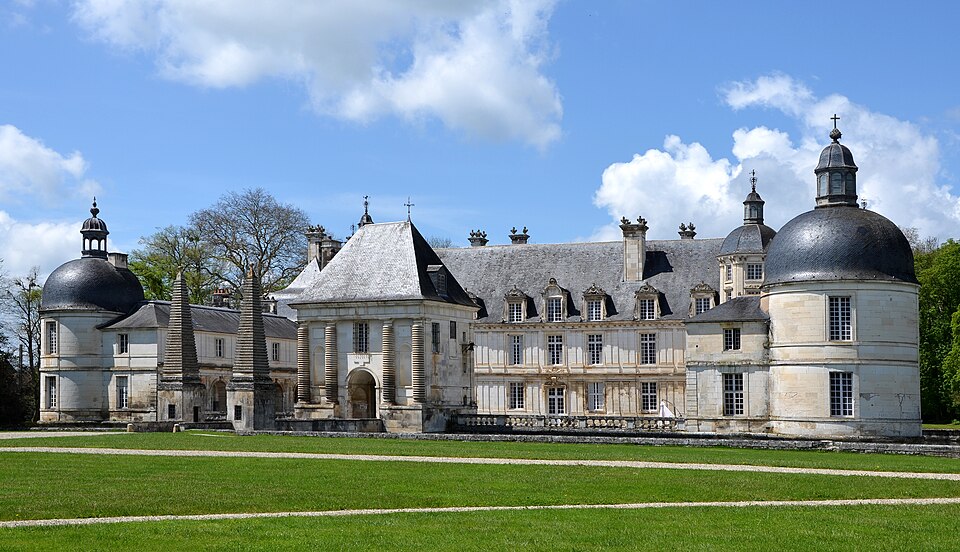
Château de Tanlay est une demeure castrale française située, dans le département de YONNE. Son histoire est attestée, période à laquelle le site s’inscrit dans l’organisation défensive et seigneuriale de son territoire. L’édifice constitue un témoin du patrimoine castral local et de l’évolution historique de son territoire.
Read next
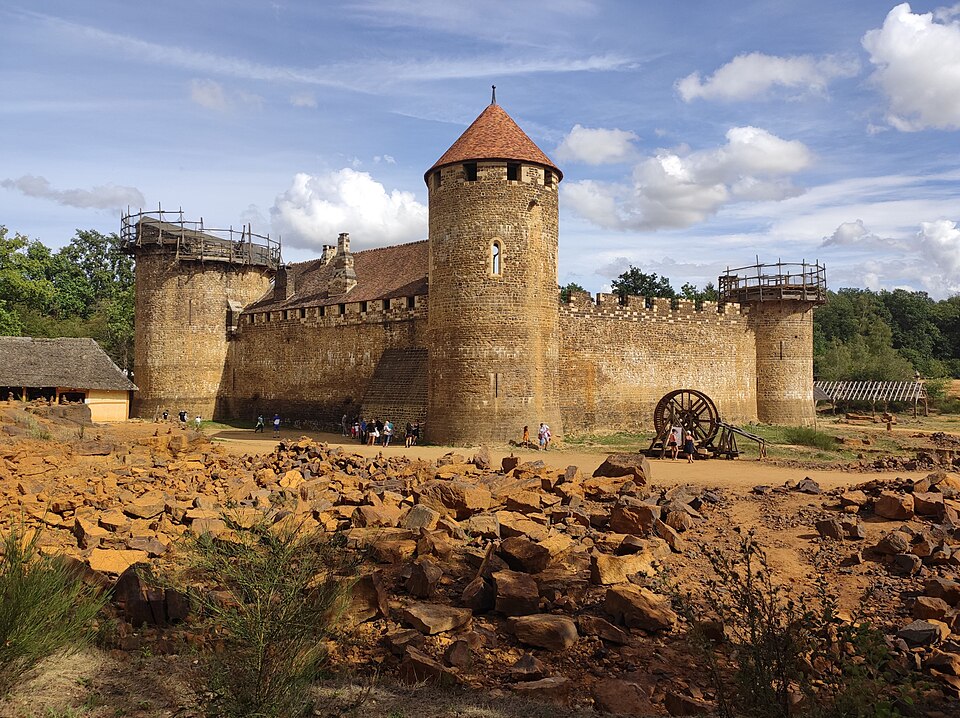 Progress of the Guédelon medieval construction site during the 2026 season
Guédelon: the 2026 season of the project building a medieval castle since 1997
Opening of a luxury hotel at Château de la Commaraine in BurgundyPommard: Château de la Commaraine, founded in 1112, becomes a luxury hotel in the heart of Burgundy’s great crus
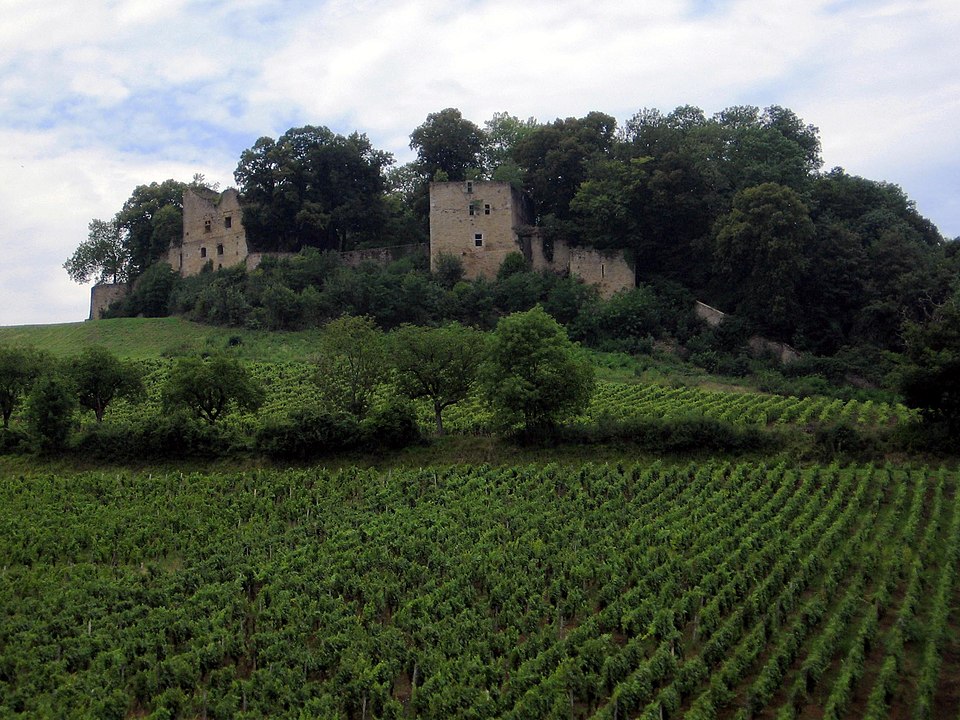 The history of Château d'Arlay and its wine estate in the Jura region
Château d'Arlay: the oldest château-vignoble in France, blending feudal ruins and vin jaune
The route on the map
The itinerary from the Auxois to the Tonnerrois
Four Burgundian châteaux, from the ducal fortress of Châteauneuf-en-Auxois to the Renaissance palaces of the Tonnerrois.
Markers follow the suggested visiting order. Select a castle to open its page.
Day by day
The itinerary
Day 1 – The Ducal Auxois
Visit the fortress of Châteauneuf-en-Auxois, listed among France’s most beautiful villages, followed by the château de Commarin, still owned by the same family since 1214. The two sites are less than 5 km apart as the crow flies.
Day 2 – Renaissance at Ancy-le-Franc
Drive to the Tonnerrois to discover the château d’Ancy-le-Franc, a work by the Italian architect Sebastiano Serlio and a major landmark of the Second French Renaissance.
Day 3 – Tanlay and the Chablis vineyards
Visit the château de Tanlay and its moats, just ten kilometres from Ancy-le-Franc, before possibly extending the trip to the nearby Chablis vineyards.