
Historical portrait of Charles the Bold, Duke of Burgundy, through five castles in France and Switzerland linked to his life and the Burgundian Wars
Charles the Bold in five castles: from Charolles to Murten, the fall of Burgundy’s last great duke
Born on 10 November 1433, killed outside Nancy on 5 January 1477: Charles the Bold left his mark from Charolles to Murten, via Nozeroy, Ham and Estavayer. Five castles to trace the rise and fall of the duke of Burgundy.
Editorial journal · Carte des Châteaux ·
1433-1477
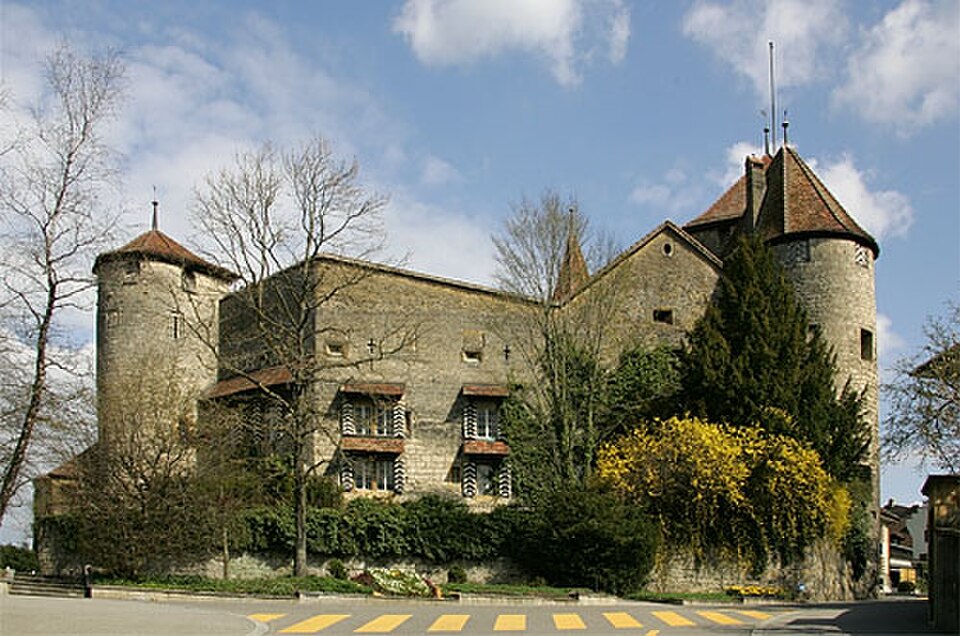
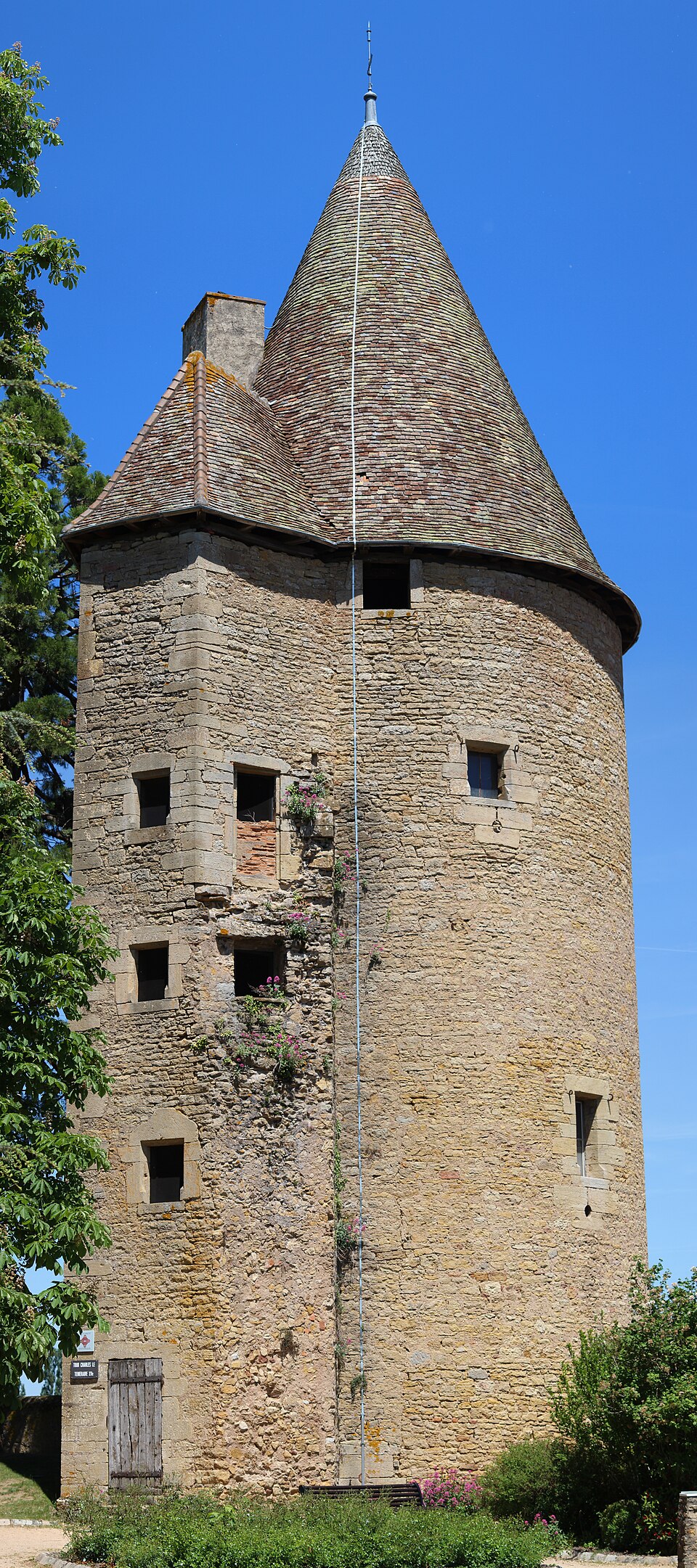
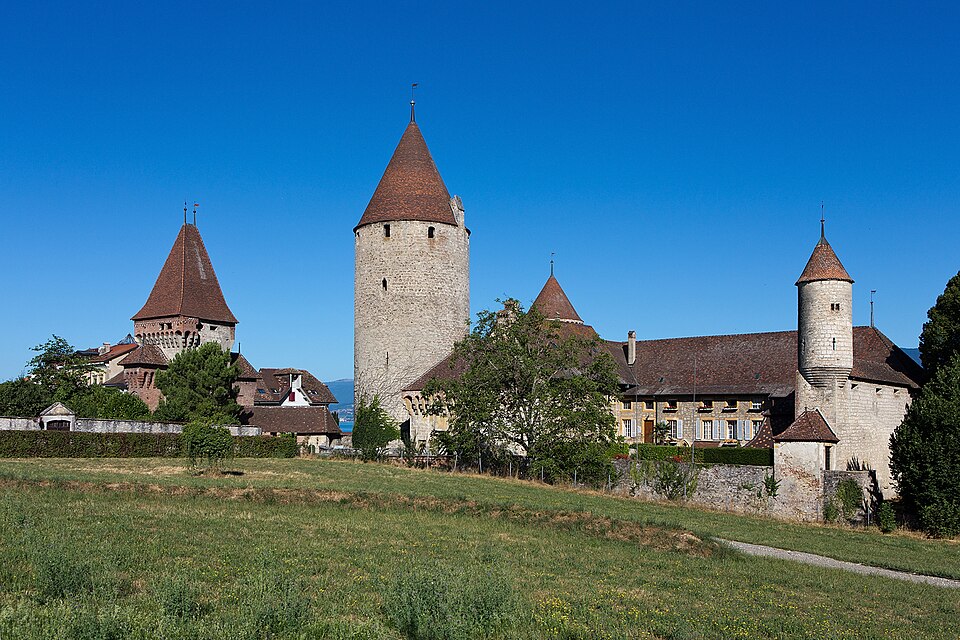
On 10 November 1433, a son is born in Dijon to Philip the Good and Isabella of Portugal. Forty-three years later, his body is found trapped in the ice of a pond beneath the walls of Nancy. Between these two dates, Charles the Bold sought to forge a kingdom from his lands—from Flanders to Burgundy—straddling France and the Holy Roman Empire. He ultimately lost everything in less than a year to the Swiss pikemen and the Duke of Lorraine. The year 2026 marked the 550th anniversaries of his defeats at Grandson and Murten, and the one at Nancy falls on 5 January. Five castles, from Saône-et-Loire to Lake Murten, allow us to follow this trajectory. Each preserves the memory of a defining moment: the title he bore as a child, a princely reception, a betrayal, a sacking, a rout.
Around the Bold
Louis XI
1423 - 1483
Son of Charles VII, he took refuge at the Burgundian court from 1456 to 1461 before becoming King of France in 1461. Held captive by Charles at Péronne in 1468, he later favoured diplomacy and money over battle, funding the duke’s adversaries. Upon the Bold’s death, he seized the Duchy of Burgundy.
Louis de Luxembourg, comte de Saint-Pol
1418 - 1475
A grand seigneur of northern France and builder of the Constable’s Tower at Ham, he was made Constable of France in 1465. He intrigued in turn with Louis XI, Charles the Bold and Edward IV of England. Exposed in 1475, he was handed over to the king by the Duke of Burgundy and beheaded in Paris on 19 December 1475.
Adrien de Bubenberg
mort en 1479
A Bernese knight, he commanded the garrison of Murten during the June 1476 siege. His resistance gave the Confederates time to assemble a relief army that crushed the Burgundians on 22 June.
René II de Lorraine
1451 - 1508
Duke of Lorraine, driven from his lands by Charles the Bold in 1475, he reclaimed them with Swiss support. He defeated and killed the Duke of Burgundy outside Nancy on 5 January 1477, then commissioned the basilica of Saint-Nicolas-de-Port as an act of thanksgiving.
Read next
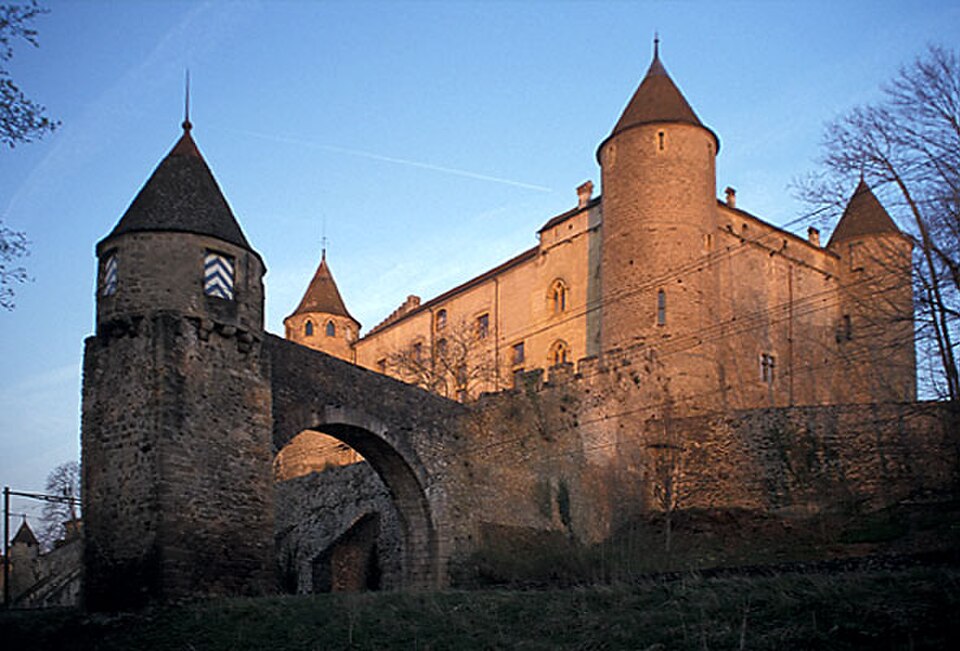 Reopening of Grandson Castle, in Switzerland, 550 years after its battle
Château de Grandson: 550 years after Charles the Bold’s defeat, the castle reopens after 15 years of restoration
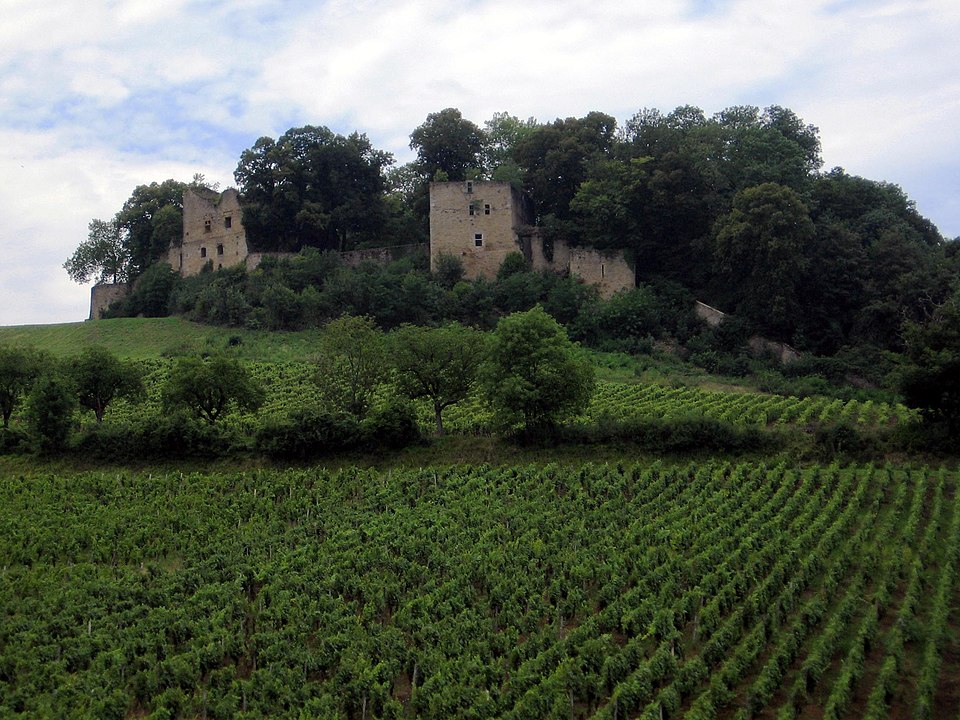 The history of Château d'Arlay and its wine estate in the Jura region
Château d'Arlay: the oldest château-vignoble in France, blending feudal ruins and vin jaune
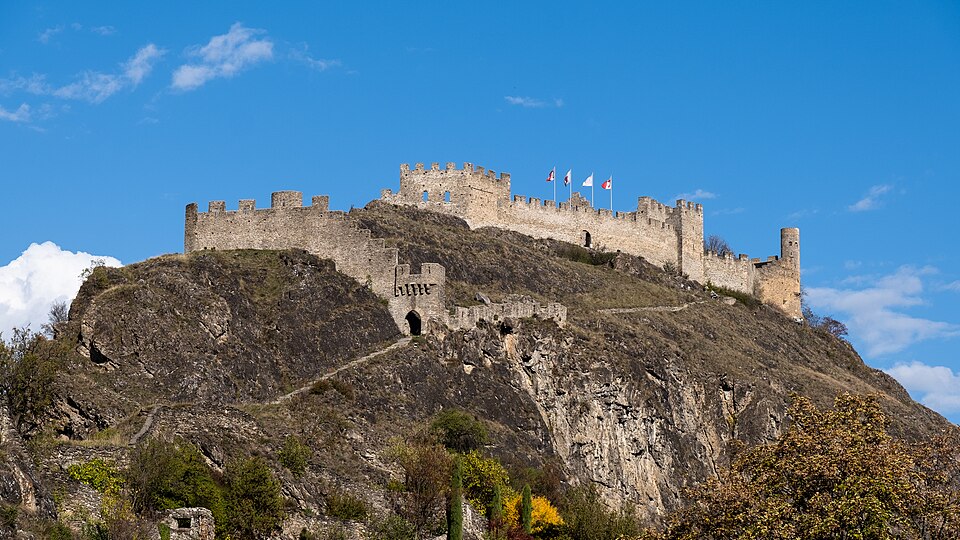 Selection of Valais castles linked to the rivalry between the House of Savoy and the Bishops of Sion, to visit in autumn
Valais: 5 castles between Savoy and the Bishops of Sion to visit before Tourbillon closes
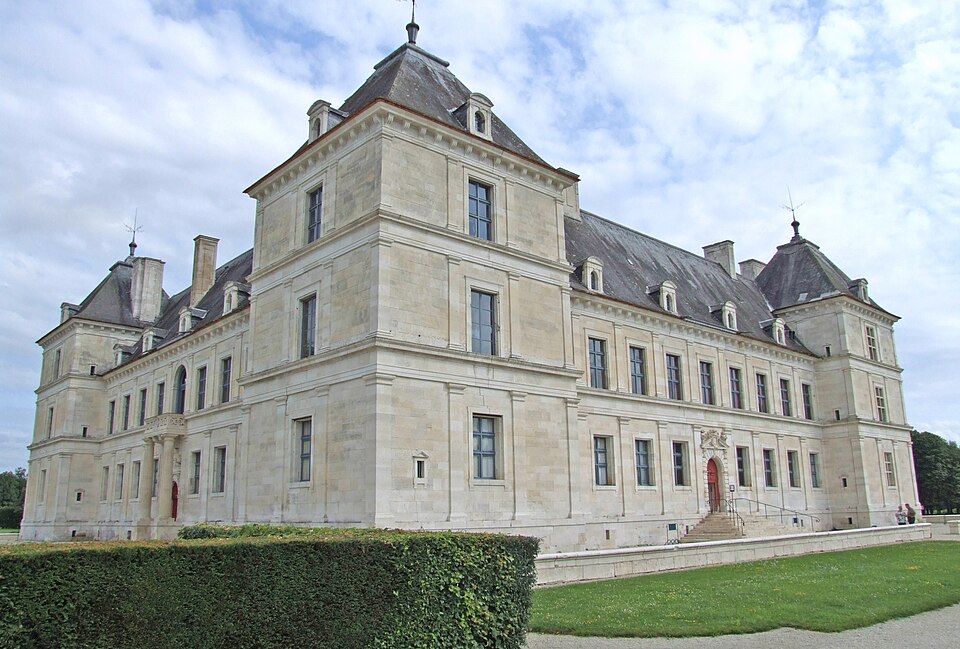 Three-day road trip through the châteaux of the Auxois and Tonnerrois regions in Burgundy
Road trip in Burgundy: from the Ducal Auxois to the Renaissance châteaux of the Tonnerrois
Sources