Château de ministériaux staufiens
Stubenberg Castle (Burg Stubenberg)
Architecture, patrimoine et histoire · Landkreis Ostalbkreis
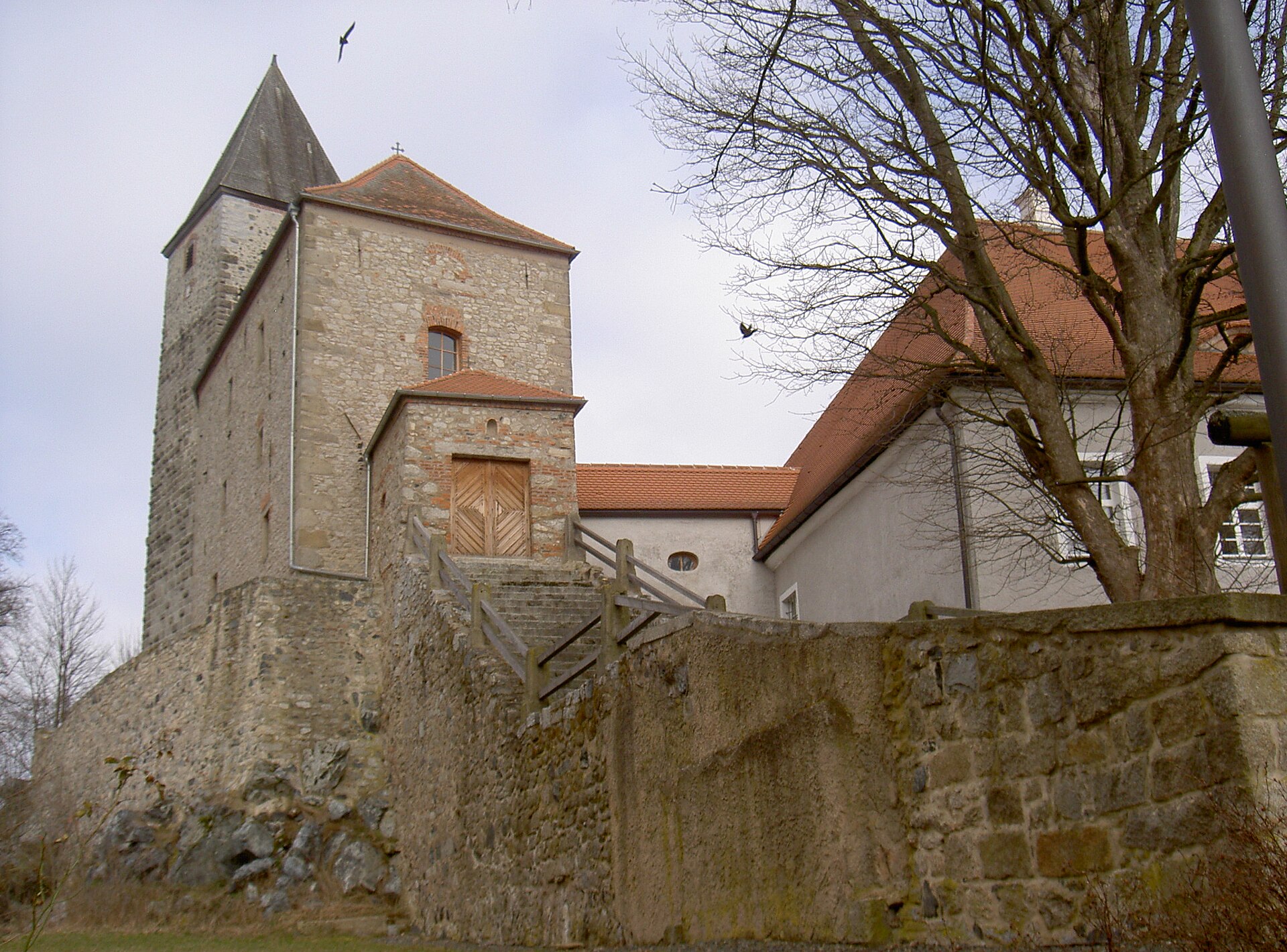
The vanished castle of Stubenberg, also called Giengerhof, occupied a spur at an altitude of about 530 metres on the western slope of the Hochsträß, near Weiler in den Bergen, a district of Schwäbisch Gmünd. It was probably built in the Hohenstaufen period for a family of ministeriales in the service of the dynasty. A noble line bearing the name Stubenberg is attested from 1319 to the end of the 14th century; it produced in particular Ludwig of Stubenberg, abbot of Lorch Abbey from 1333 to 1371. By 1365 the estate belonged to the lords of Rechberg; in 1461 Hans Ginger, of the Weißenstein branch, received it as a hereditary fief, hence the name Gingerhof. Wolf of Rechberg later sold it, together with Bargau and its castle, to the town of Schwäbisch Gmünd. The long, narrow site was divided into three mounds by two ditches, still clearly visible in the terrain, whereas the masonry has disappeared.
⌖
Schwäbisch GmündLandkreis Ostalbkreis
Pourquoi visiter Stubenberg Castle (Burg Stubenberg) ?
Berceau de l'abbé Ludwig de Stubenberg de Lorch
Deux fossés encore visibles
L’histoire de Stubenberg Castle (Burg Stubenberg)
Château probablement staufien de ministériaux. Lignée de Stubenberg attestée de 1319 à la fin du XIVe siècle ; domaine des Rechberg dès 1365, inféodé en 1461 à Hans Ginger, puis vendu à Schwäbisch Gmünd par Wolf de Rechberg.
Figures historiques
Personnalités liées à Stubenberg Castle (Burg Stubenberg)
Découvrez les femmes et les hommes documentés dans l’histoire de ce château et retrouvez, pour chacun, les autres demeures auxquelles ils sont associés.
Ce qu’il faut observer
Site d'éperon allongé divisé en trois éminences par deux fossés transversaux, toujours conservés.
Nearby
View all castles →