Emichsburg, Eberbach

Eberbach Rhein-Neckar-Kreis Allemagne

Emichsburg

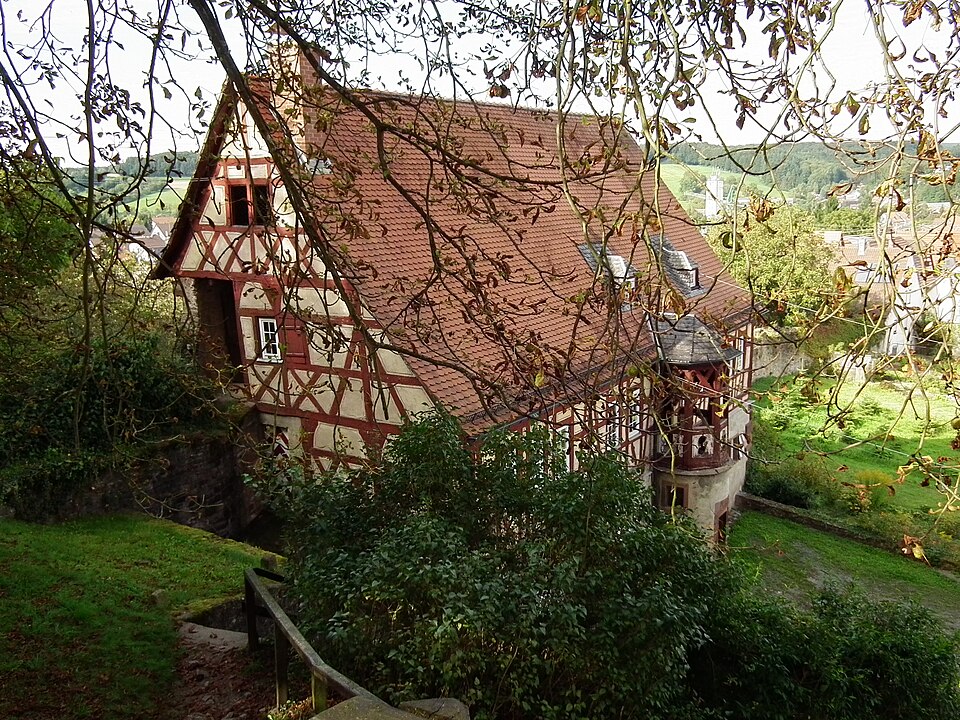
In the forest east of Eberbach, at an altitude of 493 m between the ruins of Eberbach Castle and the summit of the Katzenbuckel, the Emichsburg is an unusual testimony to the Romantic taste for the Middle Ages in the Odenwald.

Époque
1828–1830
Style
Néo-médiéval, Romantisme
Préparer la visite
Photo : Pilettes · CC BY-SA 3.0 Proposer votre photo

En un regard

Le château en bref

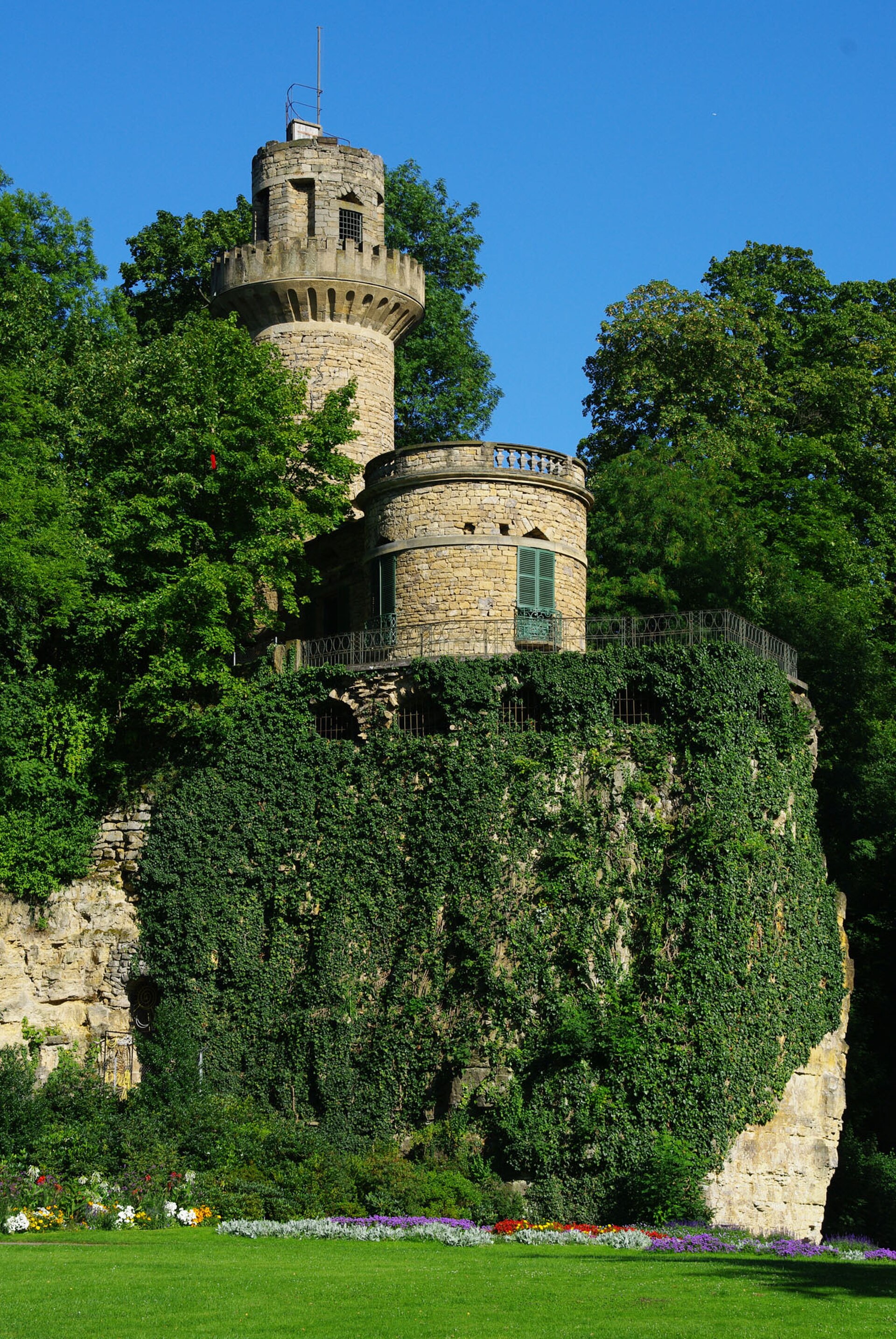
In the forest east of Eberbach, at an altitude of 493 m between the ruins of Eberbach Castle and the summit of the Katzenbuckel, the Emichsburg is an unusual testimony to the Romantic taste for the Middle Ages in the Odenwald. This hunting lodge, designed to look like a small fortified castle, was built in 1828 by Prince Carl of Leiningen, who named it after the Emichsburg at Bockenheim, a former possession of his house in the Palatinate. Enlarged in 1829 after the prince's marriage and topped in 1830 with a tower-like superstructure, it had a short life: uninhabited from 1840, it was partly demolished in 1844, and its tower and kitchen wing were looted during the revolution of 1848. It is also said that the last known lynx of the Odenwald was shot nearby in 1833. Today only the stump of a tower and a few sections of wall remain, on which a forester's house and a shelter were built and later left to decay.

À remarquer

  • Tour
  • Fortification castrale
Tous les éléments architecturaux
Époque de construction
1828–1830
Style architectural
Néo-médiéval, Romantisme
Localisation
Eberbach, Rhein-Neckar-Kreis
Usage actuel
Ruine en forêt

Pourquoi le découvrir

Trois raisons de découvrir Emichsburg

  1. Pavillon de chasse néo-médiéval de 1828

    Lire son histoire
  2. Construit pour le prince Charles de Leiningen

    Parcourir la chronologie
  3. Dernier lynx de l'Odenwald abattu à proximité en 1833

    Observer l’architecture

Récit

Une histoire à travers les siècles

Le récit

L’histoire de Emichsburg

Construit en 1828 par le prince Charles de Leiningen, nommé d'après l'Emichsburg de Bockenheim. Agrandi en 1829 et doté d'une superstructure en tour en 1830. Le dernier lynx de l'Odenwald est abattu à proximité en 1833. Inhabité à partir de 1840, partiellement démoli en 1844, pillé en 1848, puis définitivement abandonné au XIXe siècle.

L’architecture

Ce qu’il faut observer

Petit ensemble de pavillon de chasse à fortification de style castral. Subsistent un moignon de tour et des restes de murs, sur lesquels ont été élevés une maison de chasse et un abri, aujourd'hui délabrés.

Chronologie

Les étapes de construction

Les campagnes documentées qui ont façonné le monument, période par période.

Révolution & XIXᵉ siècle

  1. 1828

    Construction

    Pavillon de chasse du prince Charles de Leiningen

  2. 1829–1830

    Extension

    Agrandissement puis superstructure en tour

Informations pratiques

Préparer sa visite

Conditions de visite non renseignées

Nous n’avons pas encore d’information vérifiée sur l’ouverture au public. Renseignez-vous auprès du site officiel ou de la mairie avant de vous déplacer.

Vous l’avez visité ?

Partagez vos photos

Après relecture, votre photo illustrera cette fiche, créditée à votre nom. Haute définition bienvenue, jusqu’à 40 Mo.

Propriétaires et gestionnaires

Vous gérez Emichsburg ?

Horaires, tarifs et réservation manquent encore sur cette fiche. Transmettez-les et mettez le château en avant auprès des visiteurs qui préparent leur venue.