En un regard
Le château en bref
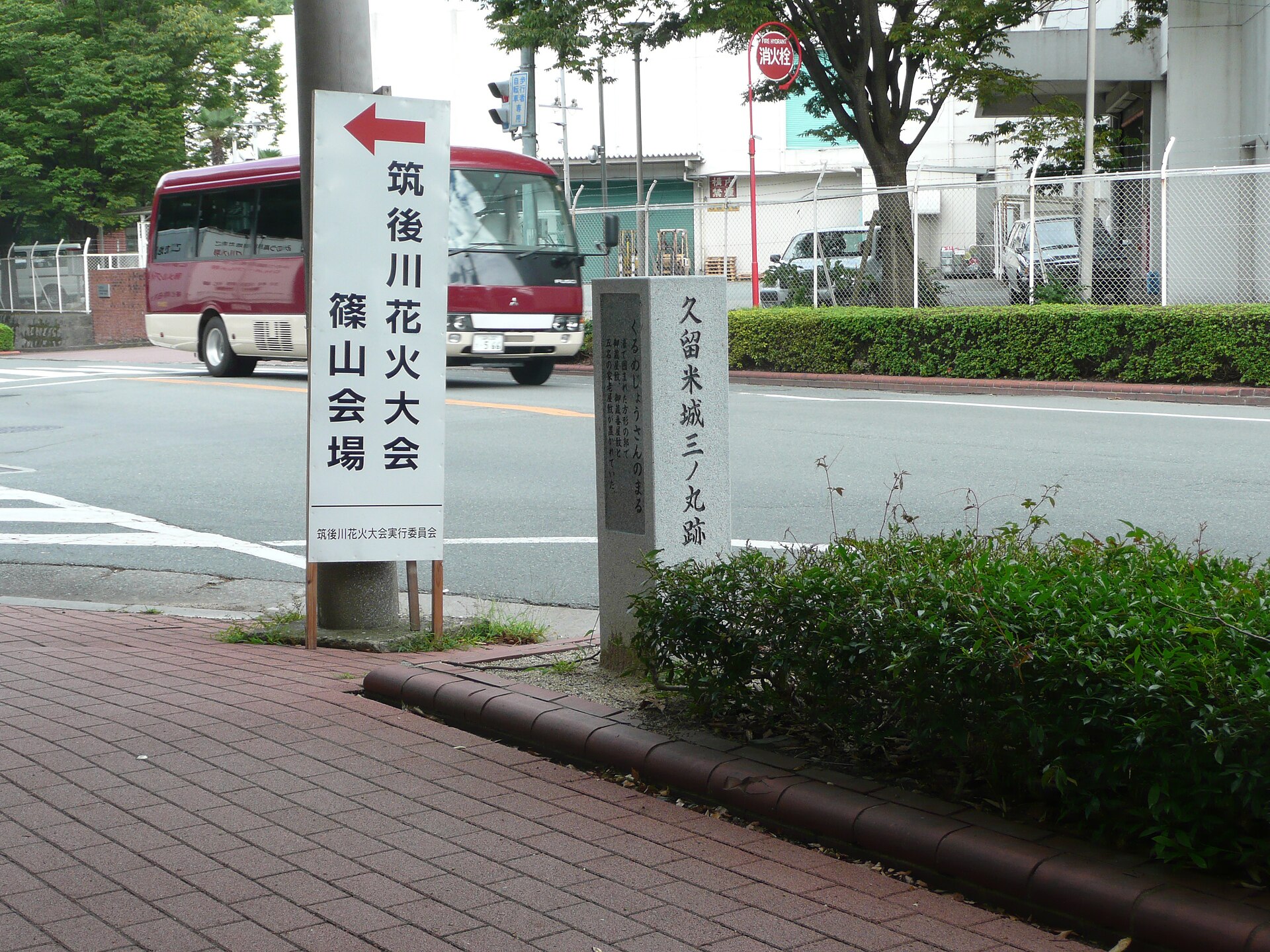
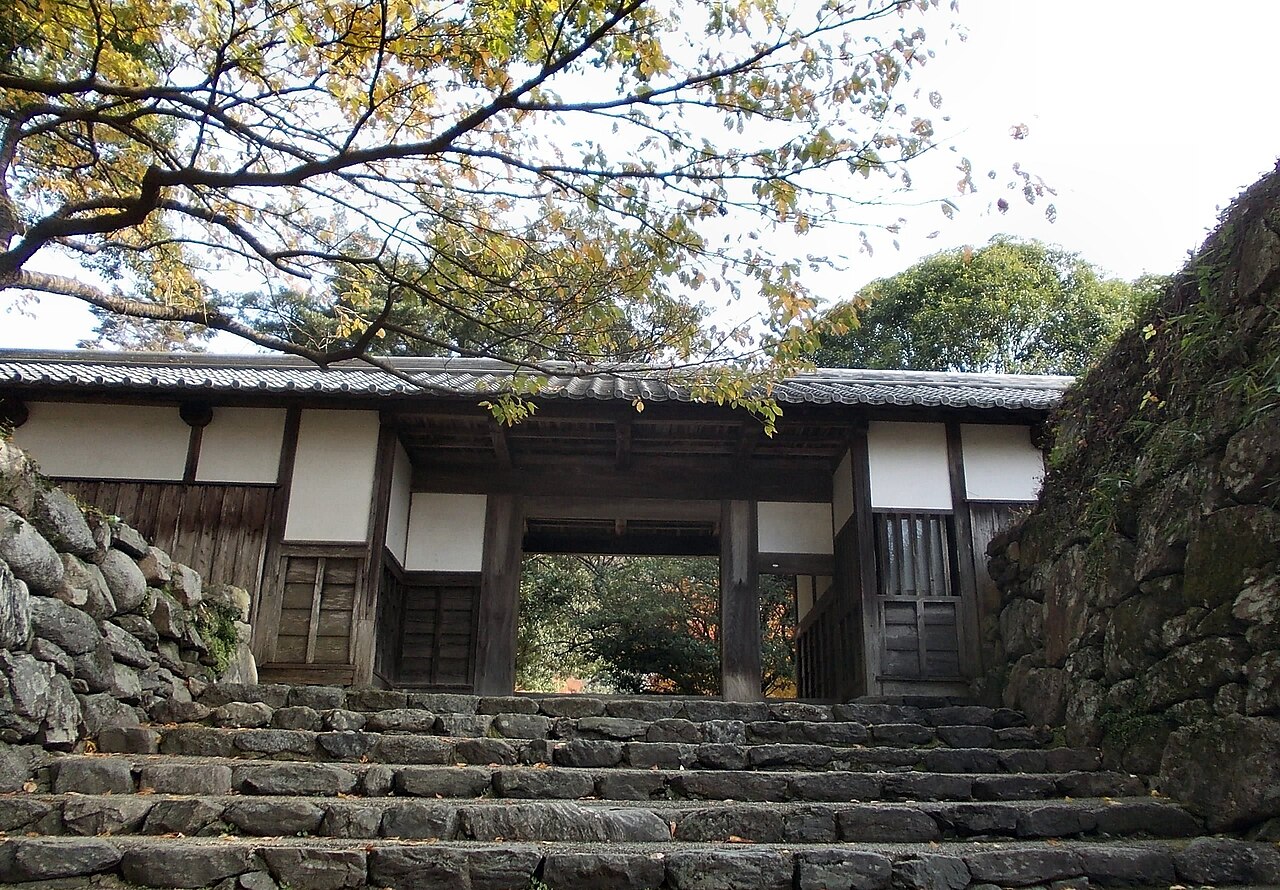
Set on a low rise once bordered by the Chikugo River to the west and by marshland to the north and east, Kurume Castle owes its present appearance to the Arima, but it already had a long history when they arrived. Attributed to the Eishō era (1504-1521) and called Sasahara, it was rebuilt by Mōri Hidekane in 1587, then became a secondary stronghold of Tanaka Yoshimasa, lord of Chikugo after Sekigahara. Arriving from Fukuchiyama in 1621 with 210,000 koku, Arima Toyouji carried out major works, and eleven generations of his family resided here for about 250 years. The City of Kurume today presents the walls as a museum of technique: raised over some sixty years in five phases, from the east round to the south and then the west, they move from rough stone to regular courses of standardised blocks, while the north side never received masonry. The summit carried seven three-storey corner turrets, except perhaps the moon-viewing turret, linked by tamon galleries; the largest, Tatsumi, served as a keep without bearing the name. The palace occupied the honmaru, joined in 1721 by a second in the ninomaru. Dismantled before 1875, the buildings gave way in 1879 to Shinozan Shrine, the origin of the name Shinozan Castle, while a Bridgestone factory rose on the ninomaru. Excavations carried out in fiscal years 2021 to 2025 uncovered earthworks and post positions from the palace.
- Époque de construction
- XVIIᵉ siècle (1621)
- Localisation
- Kurume, Préfecture de Fukuoka
- Protection
- Site historique préfectoral (県指定史跡) (1983)
- Accès au public
- Visite sous conditions
- État
- Vestiges
- Usage actuel
- sanctuaire shintō, site industriel partiel