
A 1914–1918 remembrance itinerary through the Aisne’s châteaux for Remembrance Day
11 November: A two-day tour of the Aisne’s châteaux that witnessed the Great War, from Guise to Château-Thierry
From the fortress at Guise to the ruins of Coucy, the Anne Morgan Museum in Blérancourt to the Côte 204 in Château-Thierry: a two-day itinerary through the Aisne department linking châteaux and the memory of 1914–1918, ahead of Remembrance Day.
Editorial journal · Carte des Châteaux ·
Mémoire de 14-18
Between the Thiérache region and the Marne Valley, the Aisne department bore the brunt of the frontline for four years. Its châteaux bear the scars in myriad ways: a keep blown apart by explosives, a fortress pounded during the liberation, a stately home occupied just a stone’s throw from the Chemin des Dames, a Renaissance pavilion turned headquarters for a handful of American volunteers. As Remembrance Day approaches and the All Saints’ break extends until Monday, 2 November, here is a two-day itinerary from north to south of the department, to read the Great War in the very stone. We begin in Guise, traverse the Soissonnais, spend the night in a 17th-century château, and end on the Marne, atop the hill where the American monument of Château-Thierry stands.
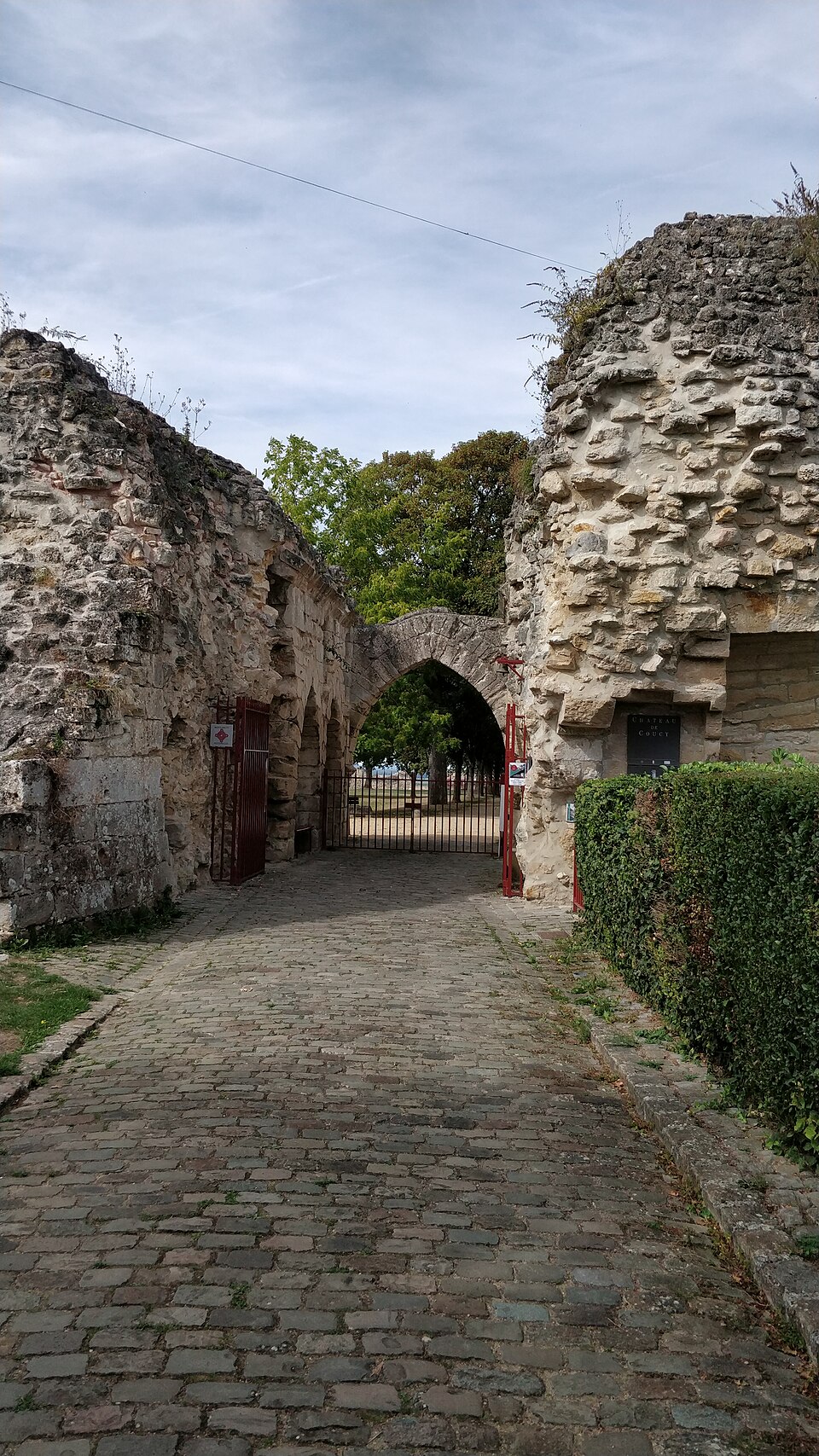
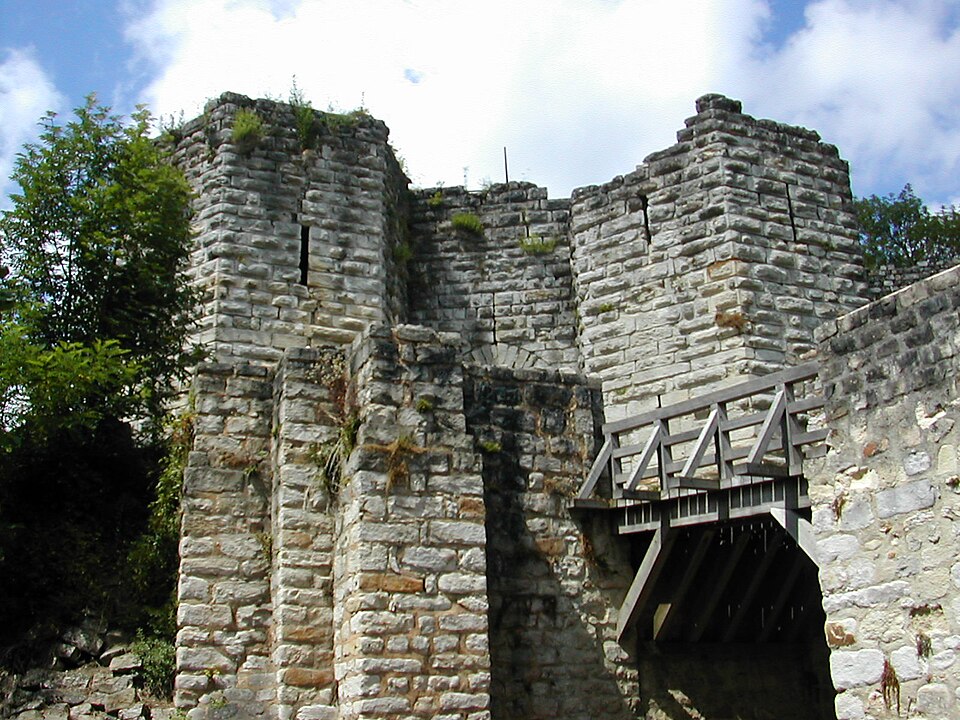
Coucy, an open-air memorial
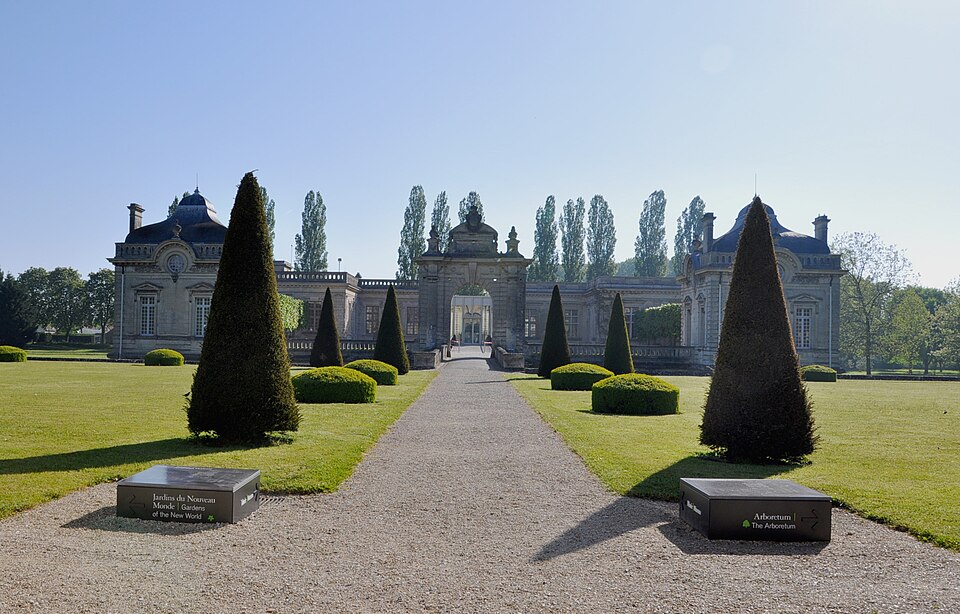
Blérancourt, the château of Franco-American friendship
The Americans of the Aisne
Anne Morgan
1873-1952
Daughter of banker John Pierpont Morgan, she founded a civil relief committee for devastated regions with Anne Murray Dike, based at the château of Blérancourt. She raised funds, recruited hundreds of American volunteers, then bought the estate to create the Franco-American museum. She was made an Officer of the Legion of Honour at Blérancourt in 1924.
Anne Murray Dike
† 1929
Co-founder of the committee with Anne Morgan, trained in medicine, she led the fieldwork: aid for refugees, medical care, schools and helping villages in the Soissonnais back to normal life. She received the Legion of Honour alongside Anne Morgan during the 1924 ceremony at Blérancourt.
Joyce Kilmer
1886-1918
New York poet and journalist who enlisted in the US Army, he was killed during the summer of 1918 in the Second Battle of the Marne. He lies in the Oise-Aisne American Cemetery near Fère-en-Tardenois, where a free audio guide recounts his time in the Aisne.
The Aisne at war, from one château to the next
Battle of Guise: General Lanrezac’s Fifth Army counter-attacks around the fortress.
During the withdrawal to the Hindenburg Line, the keep and towers of Coucy are blown apart with explosives.
Anne Morgan and Anne Murray Dike’s relief committee sets up its headquarters at the château of Blérancourt.
The US 3rd Division and the French 10th Colonial Division hold the bridge at Château-Thierry.
French artillery pounds Guise to retake the town.
Construction of the American monument at Côte 204, designed by Paul Cret.
Fère-en-Tardenois, before reflection
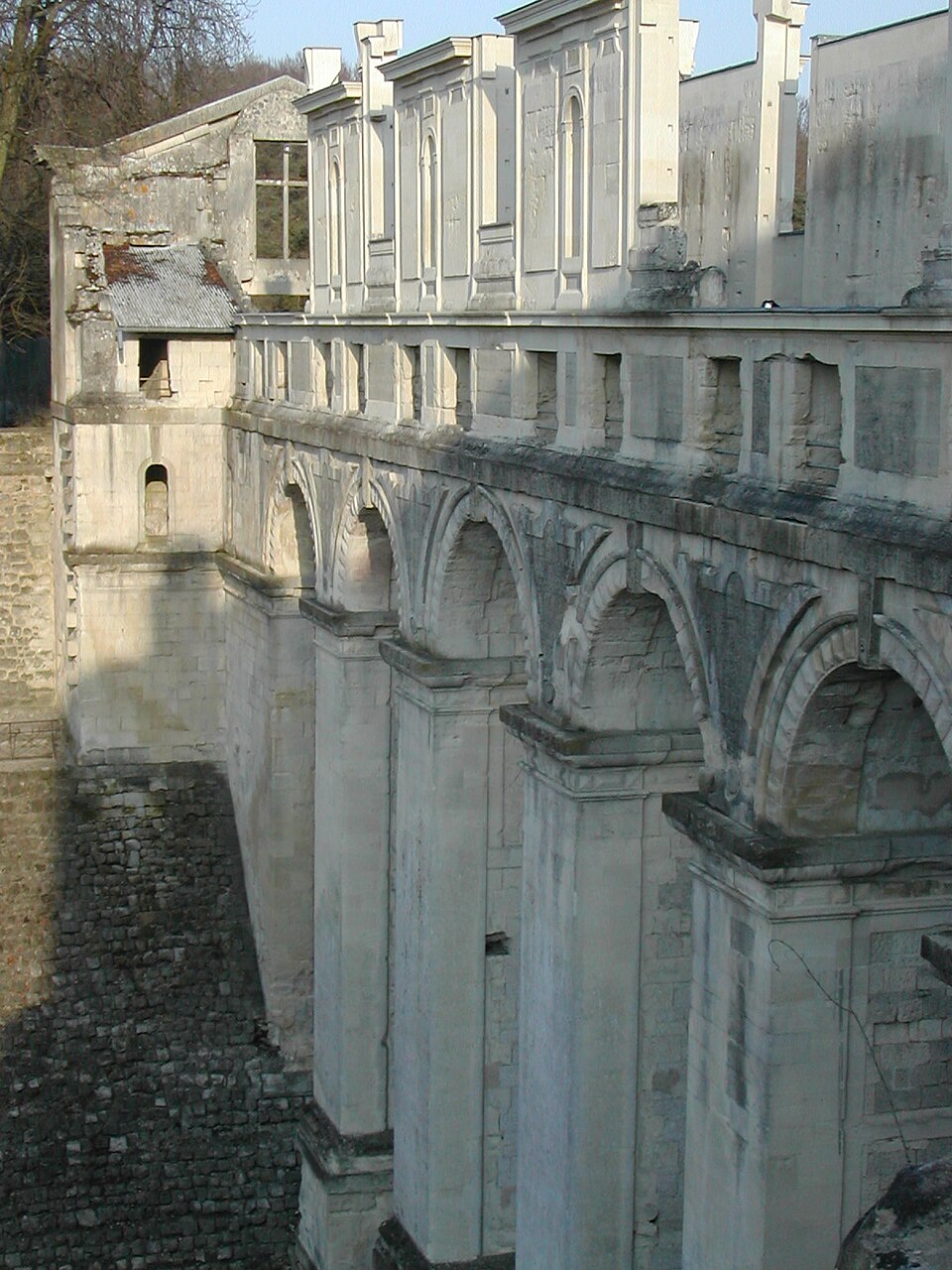
Before visiting the American cemetery, take time to cross the gallery bridge attributed to Jean Bullant, whose decorations are credited to Jean Goujon: a Renaissance interlude in a landscape marked by the 1918 battles.
Preparing your remembrance weekend
To extend your journey
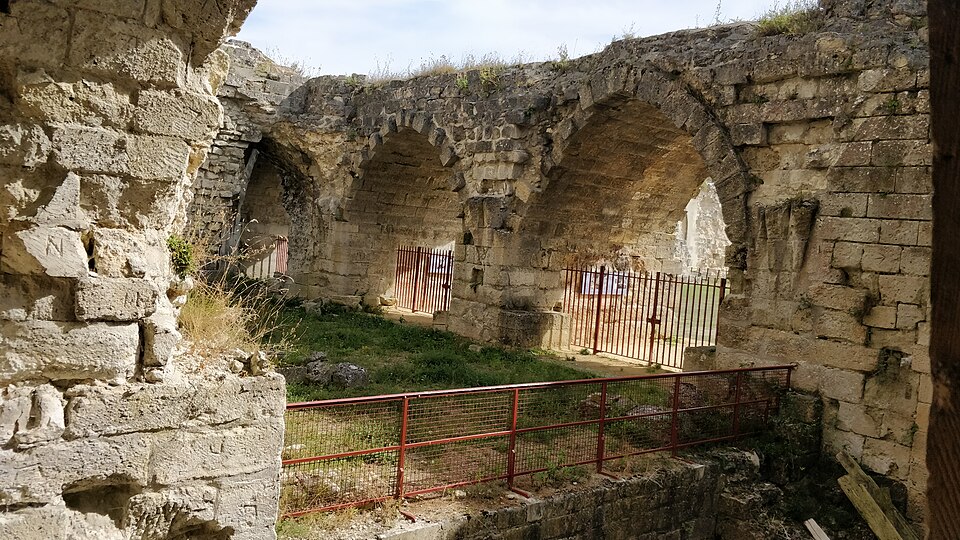 History of Coucy Castle, from the House of Coucy to its destruction in 1917
Coucy: the tallest keep in the West and its destruction in 1917
 Two-day weekend between châteaux and Champagne vineyards, from Château-Thierry to Louvois
Week-end in Champagne: châteaux and vineyards between Marne and Aisne
The heritage rescue of the Château de Villers-Cotterêts, now the Cité internationale de la langue françaiseVillers-Cotterêts: how an abandoned château became one of France’s grandest heritage projects
Two-day weekend by car in northern Paris, in the Oise department, between a princely estate, the cradle of the Capetian dynasty and a neo-medieval fortressWeekend in northern Paris: Chantilly, Senlis and Pierrefonds in 2 days
The route on the map
From Guise to Château-Thierry, from north to south of the Aisne
Around 170 km over two days, from the Oise Valley to the Marne Valley, passing through the Soissonnais and the Vesle.
Markers follow the suggested visiting order. Select a castle to open its page.
Sources
Read more
Day by day
The itinerary
Day 1 – Guise
Guided tour of the fortress and its underground tunnels, the scene of the 1914 and 1918 battles.
Day 1 – Coucy
The ruins of the keep destroyed in March 1917 during the German withdrawal.
Day 1 – Blérancourt
The Franco-American museum founded by Anne Morgan and the gardens of the New World.
Overnight – Courcelles-sur-Vesle
Stay at the Courcelles château-hotel, occupied during the war near the Chemin des Dames.
Day 2 – Fère-en-Tardenois
The Renaissance gallery bridge, then the Oise-Aisne American Cemetery, 3 km away.
Day 2 – Château-Thierry
The old château on its hill, then the American monument at Côte 204.