
Historical portrait of Anne of Brittany through five castles in Brittany and the Loire Valley, between the anniversary of her marriage at Langeais (6 December) and the
Anne of Brittany in five castles: from Nantes to Langeais, the journey of a duchess twice queen
On 6 December 1491, Anne of Brittany married Charles VIII at Langeais; 25 January 2027 will mark the 550th anniversary of her birth. Nantes, Langeais, Loches, Saint-Malo and Brest recount her life.
Editorial journal · Carte des Châteaux ·
Portrait
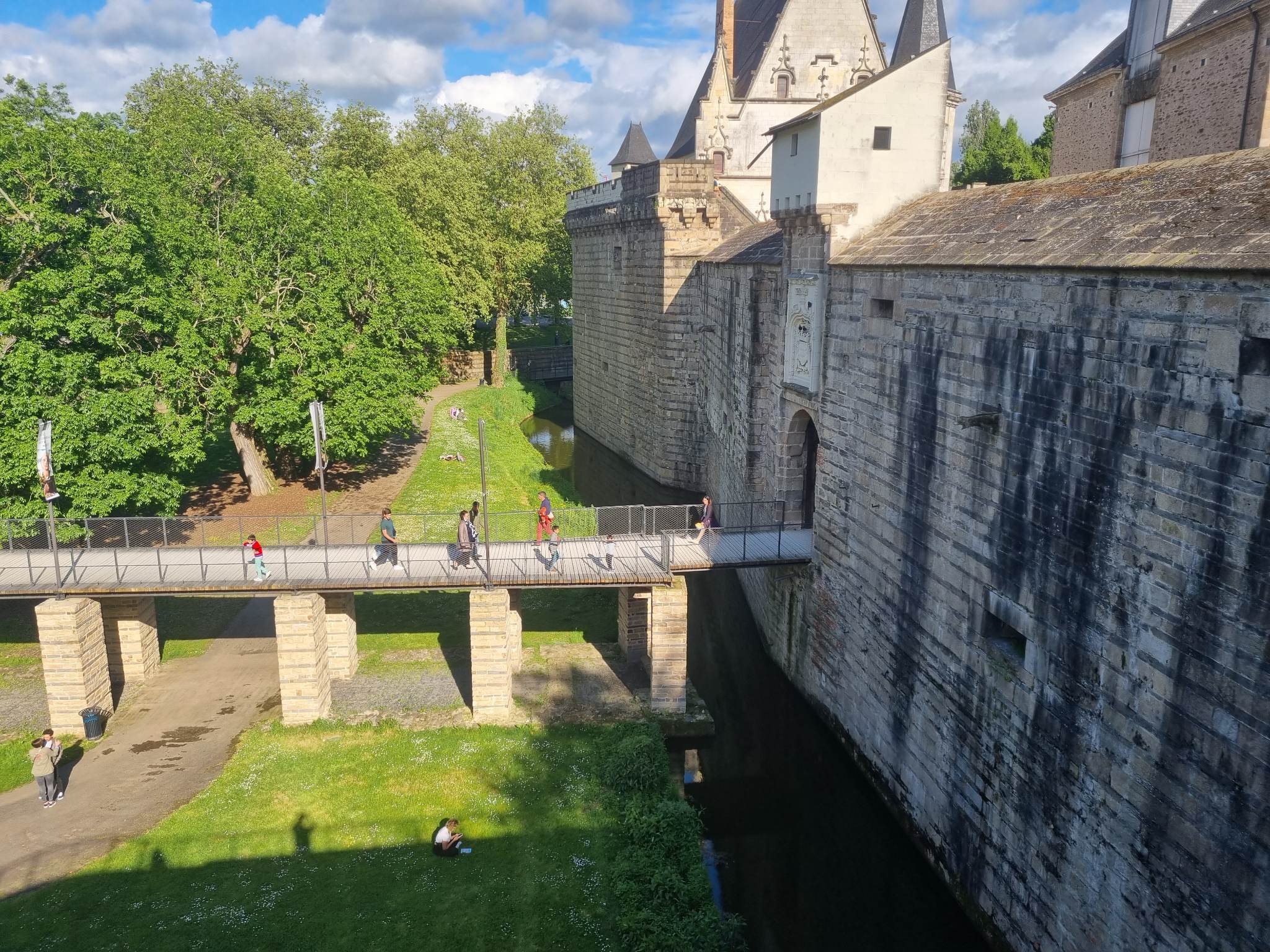
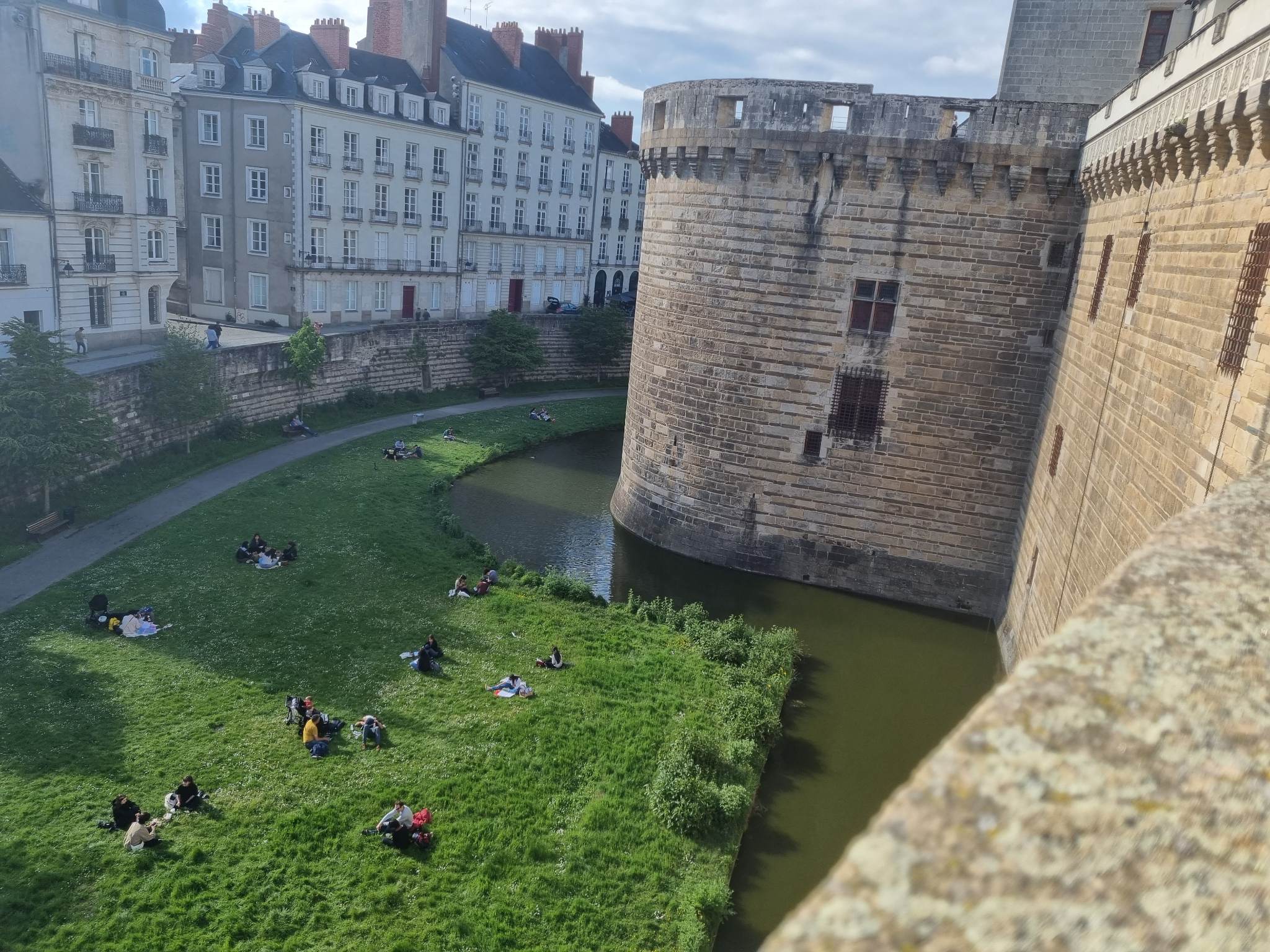
She was just fourteen when she was married at dawn in a hall at Langeais Castle to a king who had just waged war against her. It was 6 December 1491. Anne, daughter of Brittany’s last independent duke, would go on to be crowned queen of France twice, survive her first husband, marry again and defend what remained of her duchy’s autonomy to the very end. On 25 January 2027, the 550th anniversary of her birth in Nantes will be marked. Between these two dates, winter is the perfect time to explore her story through stone: a ducal castle on the banks of the Loire, a Touraine fortress refurbished in the 19th century, a royal residence perched on a crag, and two maritime strongholds in Brittany where a tower still bears her name or mark. Five places, five moments in a life that steered Brittany into the kingdom.
.JPG)
Did you know? Three men around the duchess
François II de Bretagne
1435-1488
The last duke of Brittany from the House of Montfort, he made Nantes his capital and rebuilt the castle from 1466 onwards. Allied with the great lords of the kingdom against the regency of Anne of Beaujeu during the War of the Public Weal, he was defeated at Saint-Aubin-du-Cormier in 1488 and died a few weeks later, leaving the duchy to his eldest daughter.
Charles VIII
1470-1498
Son of Louis XI, he married Anne at Langeais in 1491 after waging war against the duchy. He launched the Italian Wars and rebuilt Amboise, where he died in April 1498 after striking his head on a low door lintel. None of the couple’s children survived him.
Louis XII
1462-1515
Cousin and successor to Charles VIII, he married Anne in Nantes in January 1499, in accordance with the Langeais contract. Under his reign, the flamboyant wing of Loches’ residence and the brick wing of Blois were built; their shared cipher adorns the dormer windows of the Grand Logis in Nantes.
Planning the itinerary in winter
Read next
.JPG) A week in Brittany
A week in Brittany on the castle trail: our 7-stop itinerary
.JPG) Christmas in the Land of Châteaux 2026: Christmas decorations and evening openings at the châteaux of Indre-et-Loire
Christmas in the Land of Châteaux 2026: five châteaux in Touraine dressed for the festive season, from Chenonceau to Chinon fortress
 Historical portrait of Mary, Queen of Scots across six castles in France and England, from her childhood at the Valois court to her English captivity, centred on her
Mary, Queen of Scots in six castles: from Saint-Germain-en-Laye to Bolton, the French queen turned captive of England
Sources