
Historical portrait of Mary, Queen of Scots across six castles in France and England, from her childhood at the Valois court to her English captivity, centred on her
Mary, Queen of Scots in six castles: from Saint-Germain-en-Laye to Bolton, the French queen turned captive of England
Born on an 8th December, widowed of a king of France on a 5th December: Mary, Queen of Scots grew up in Saint-Germain, reigned between Blois and Amboise, then endured captivity in Carlisle, Bolton and Tutbury. Six castles to trace her life.
Editorial journal · Carte des Châteaux ·
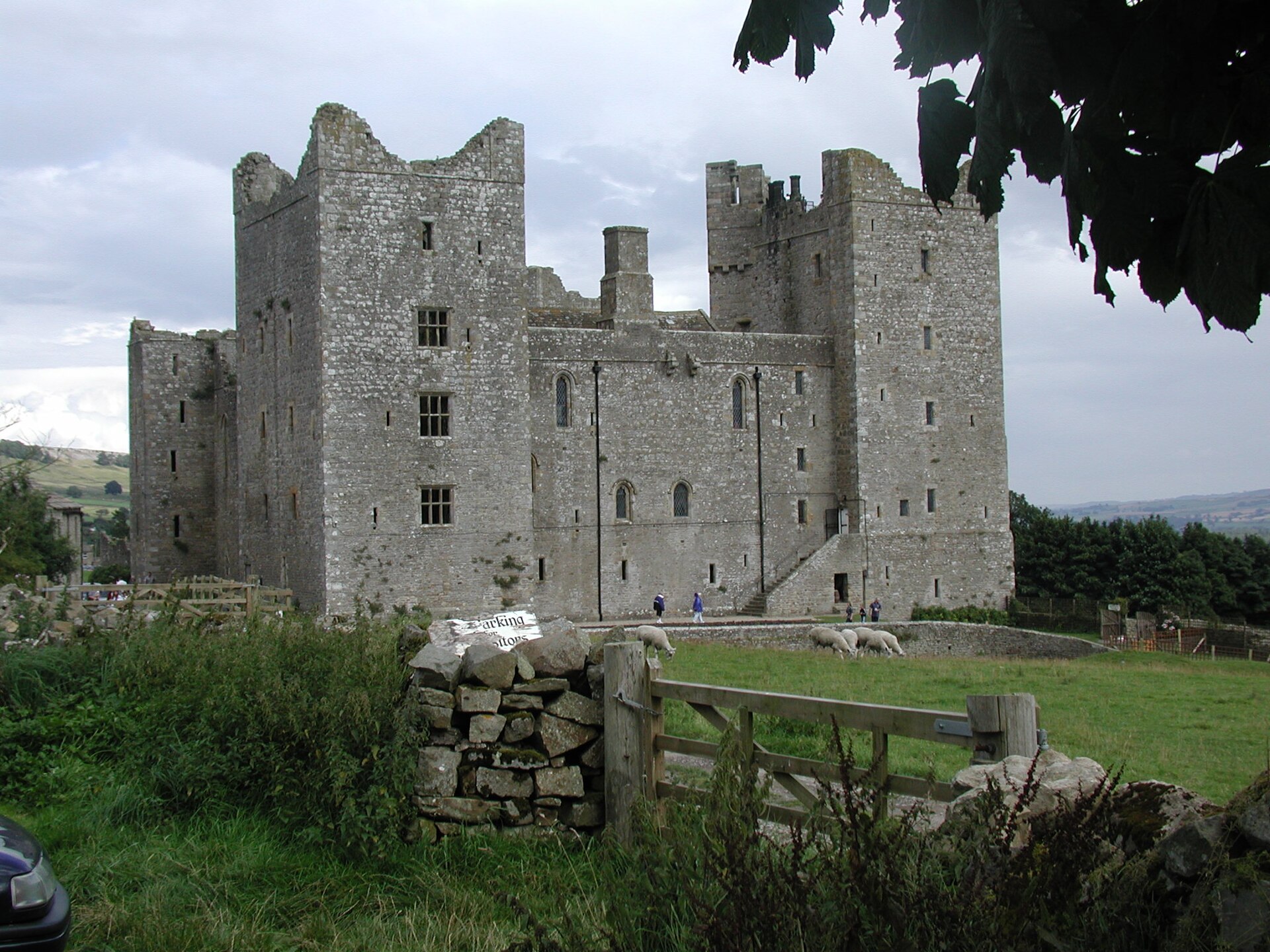
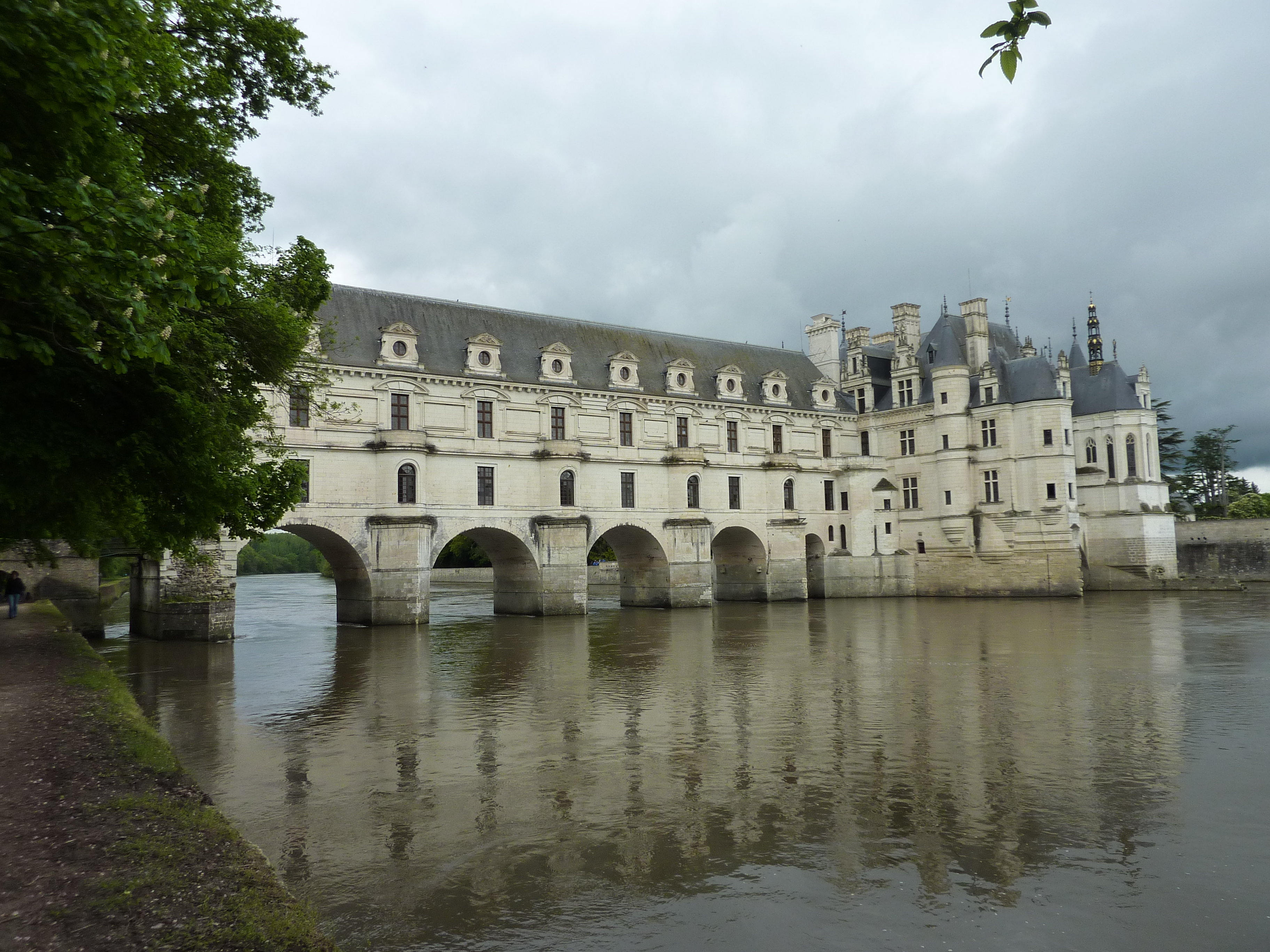
December is the month of Mary, Queen of Scots. She is born at Linlithgow Palace on an 8th December (the Lothian register says the 7th, but the 8th is the date that has been retained), and it is on a 5th December, in 1560, that she loses her husband François II in Orléans, just three days before her eighteenth birthday. Between these two events, a childhood spent in the Valois residences, seventeen months on the French throne, then a return to Scotland that would end in disaster. In May 1568, defeated, she crosses the Solway Firth to seek asylum with her cousin Elizabeth I: she will never see freedom again. Much has been written about her death; far less about the walls where she lived. This portrait traces six castles still standing, three along the Seine and the Loire, three in England, each telling a chapter of this life in reverse: from the most dazzling court in Europe to the borrowed chambers of her gaolers.
Did you know? Those who guarded and served her
Sir Francis Knollys
vers 1512-1596
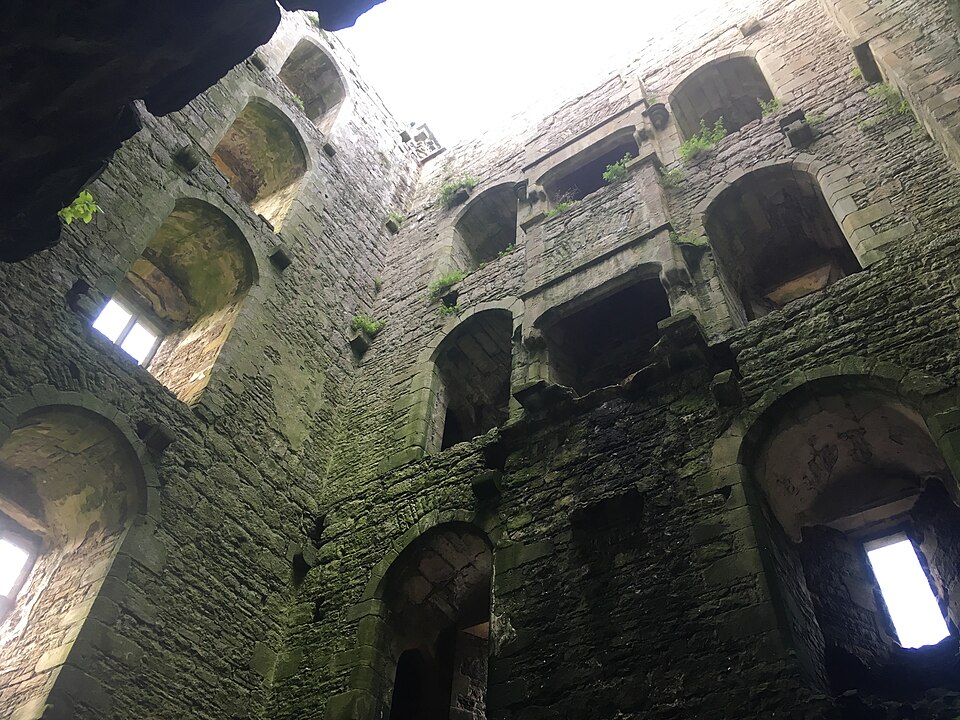
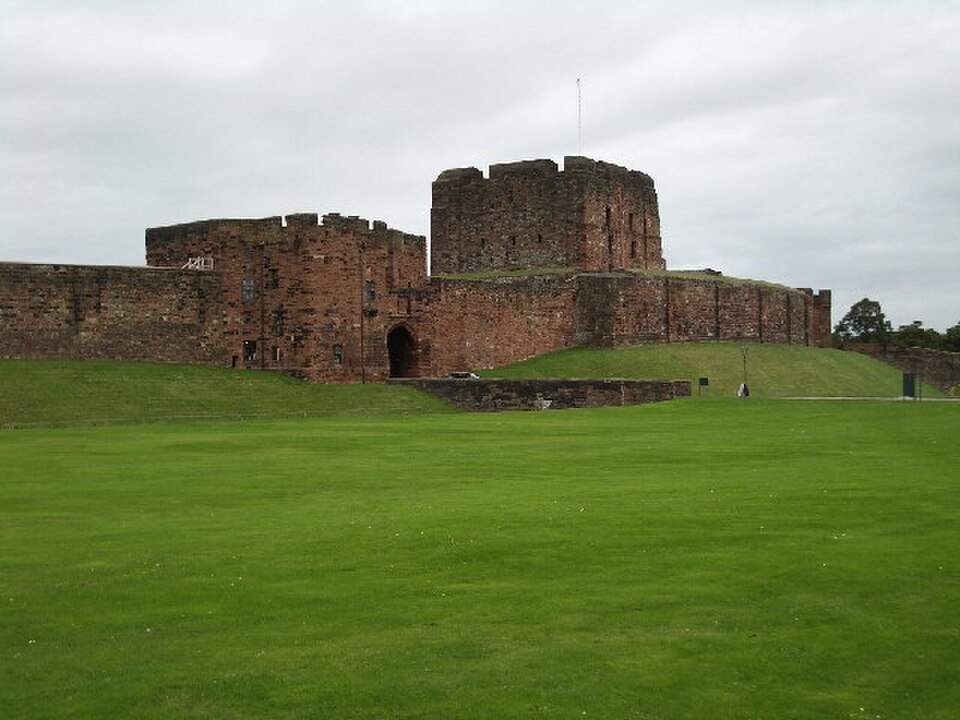
Vice-Chamberlain to Elizabeth I and a staunch Protestant, he is sent to Carlisle in May 1568 to take charge of the Queen of Scots. His letters describe a prisoner who impresses him; he grants her a few freedoms at Carlisle, then accompanies her to Bolton, where he teaches her English.
Henry Scrope, 9e baron Scrope de Bolton
vers 1534-1592
Warden of the Western March and lord of Bolton, he shares the guardianship of Mary with Knollys and cedes her his apartments in the south-west tower. The two men are reprimanded for allowing Catholics from the neighbourhood to approach the prisoner.
Mary Seton
One of the ‘Four Marys’, childhood companions who came to France with the queen in 1548. She follows her to England, where she styles Mary’s hair with remarkable artistry after the latter cuts it following her defeat at Langside.
Retracing her steps today
Read next
Tutbury Castle: the Duchy of Lancaster reopens a chapter in Mary, Queen of Scots' history
 Historical portrait of Diane de Poitiers through the castles she owned, transformed or inhabited
Diane de Poitiers in five castles: from Saint-Vallier to Anet, tracing the footsteps of Henri II’s favourite
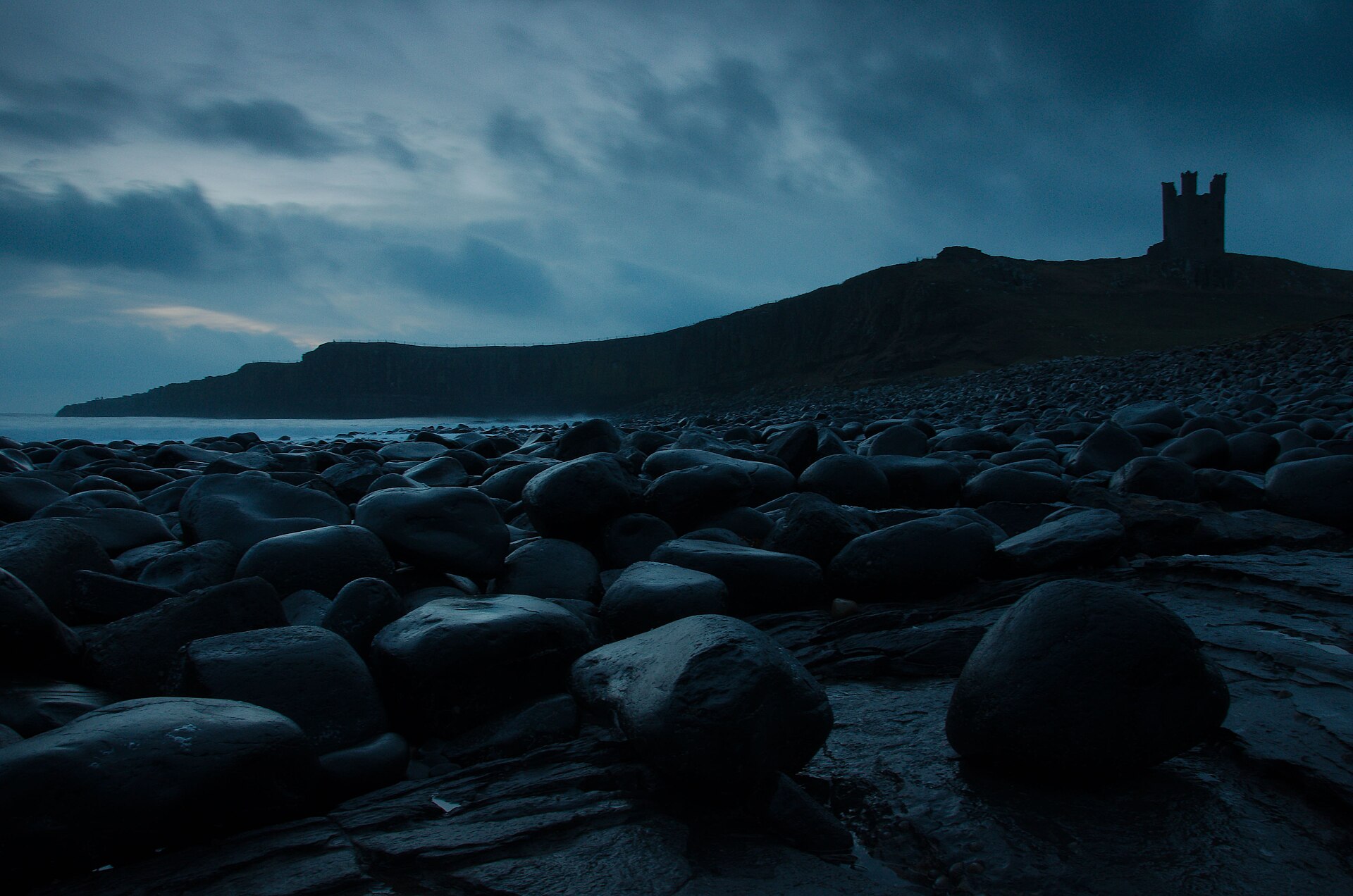 Three-day itinerary along the Northumberland coast (England) in late autumn: Warkworth, Dunstanburgh, Bamburgh, Lindisfarne and Norham
Northumberland Coast: Three Days of Castles, from Warkworth to Norham, in Seal-Watching Season
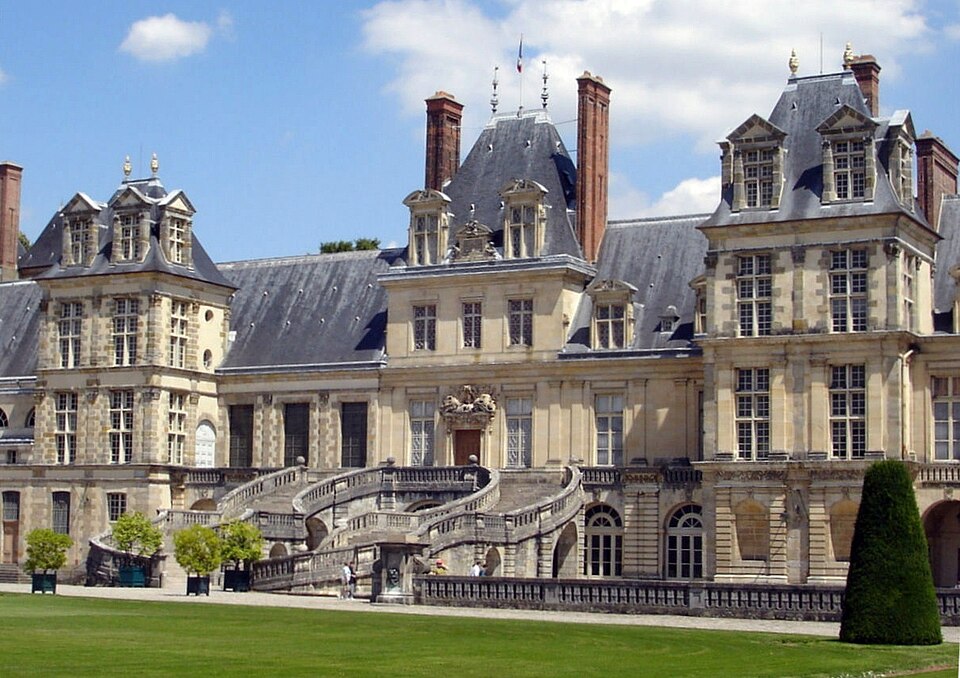 Historical portrait of Henry IV through seven castles, from Béarn to Île-de-France, marking his birthday (13 December) and the exhibition "The Flair of the
Henry IV in seven castles: from the cradle of Pau to the Grand Canal of Fontainebleau
Sources