
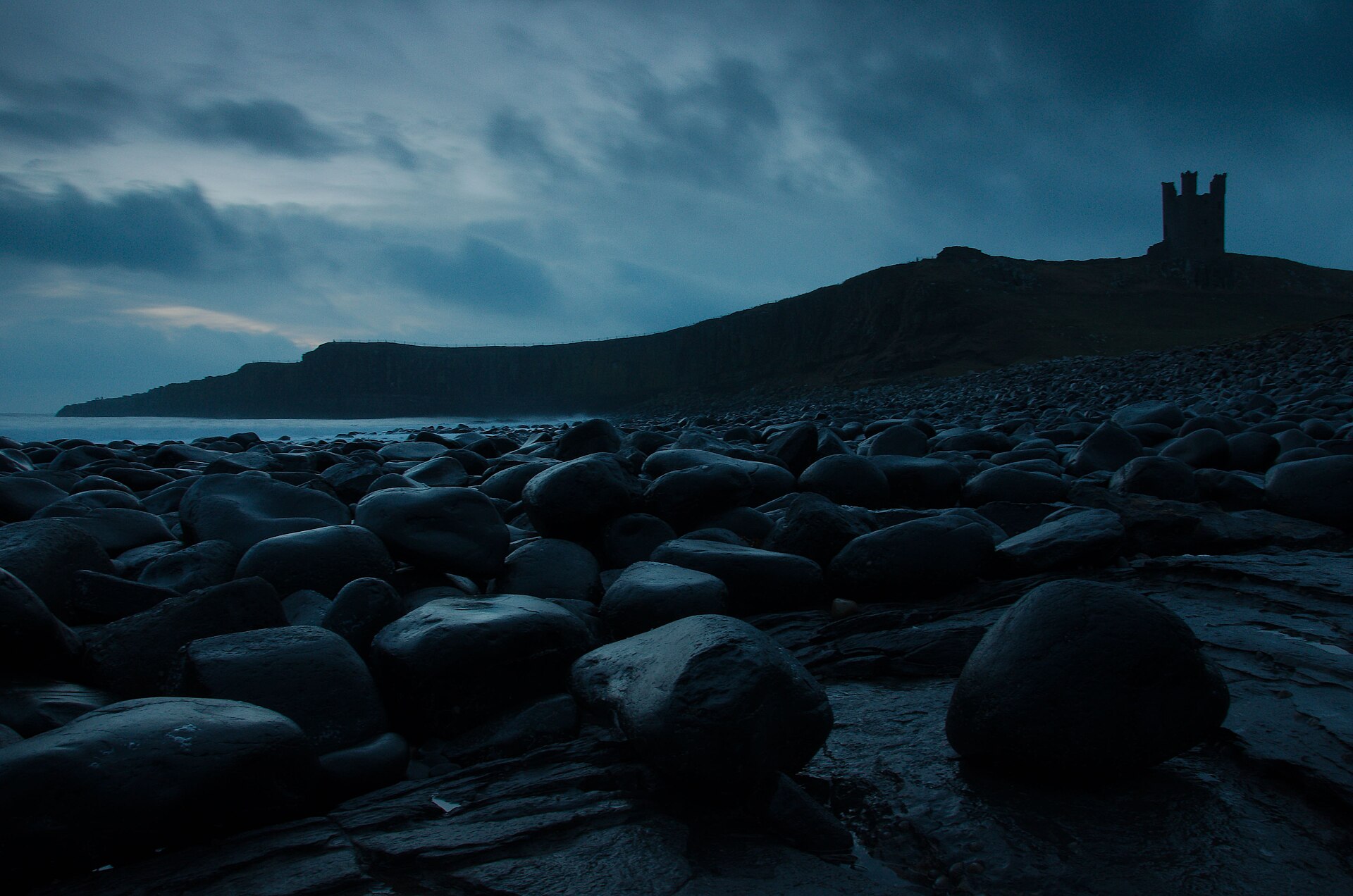
Three-day itinerary along the Northumberland coast (England) in late autumn: Warkworth, Dunstanburgh, Bamburgh, Lindisfarne and Norham
Northumberland Coast: Three Days of Castles, from Warkworth to Norham, in Seal-Watching Season
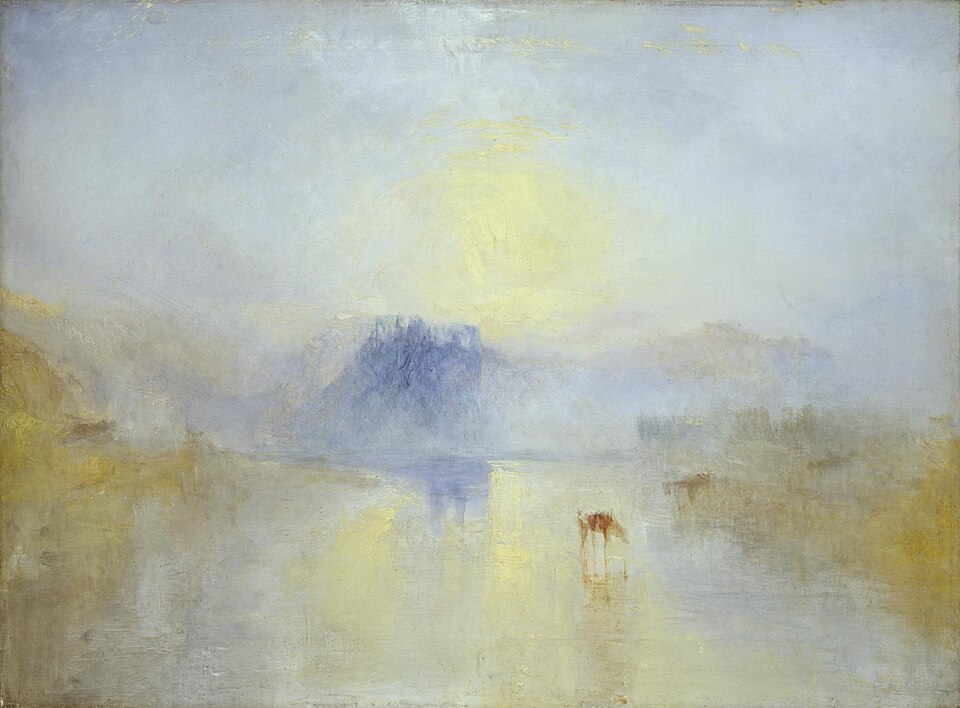
Five castles between the Coquet and the Tweed, from the Percys’ tower at Warkworth to Norham, painted by Turner, via Bamburgh and the tidal island of Lindisfarne: a three-day itinerary for November, when the Farne Islands’ seal pups are born.
Editorial journal · Carte des Châteaux ·
Northumberland, novembre-décembre
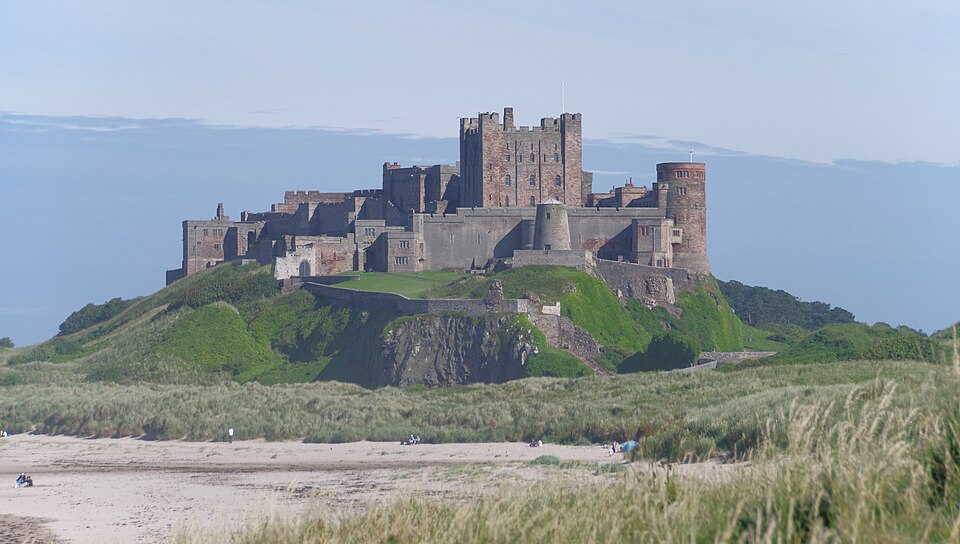
North of Newcastle, the English coast becomes a frontier. For centuries, the Scots came by sea or along the Tweed, and every promontory was crowned with a fortress: the Percys’ stronghold above the Coquet, a rebel earl’s challenge on a basalt headland, a royal citadel on a dolerite crag, a Tudor fort on an island cut off by the tide twice daily, and finally the bishops of Durham’s bastion, facing Scotland. November is an odd time to visit—and that’s precisely why you should. The summer crowds have gone, the low light gilds the sandstone, and between late October and January, more than a thousand grey seal pups are born around the Farne Islands. Three days are enough to travel this coast from south to north, provided you keep an eye on two clocks: the tides and the sun, which sets before 4.30 pm.
Those who shaped the coast
Thomas de Lancastre
vers 1278 - 1322
Grandson of Henry III and cousin of Edward II, he amassed five earldoms and became the kingdom’s most powerful baron. Leader of the opposition to the king and his favourites, he launched the Dunstanburgh project in 1313. Defeated at Boroughbridge in March 1322, he was tried and beheaded near his Pontefract castle.
Henry Percy, 1er comte de Northumberland
1341 - 1408
Warden of the Scottish Marches, made an earl in 1377, he built the great tower at Warkworth. He helped Henry of Lancaster seize the crown in 1399, then turned against him with his son Hotspur, killed at Shrewsbury in 1403. Forever rebellious, he died fighting at Bramham Moor in 1408.
William Armstrong
1810 - 1900
A lawyer turned engineer, inventor of a hydraulic crane and then a breech-loading cannon, he turned Newcastle into a centre of heavy industry. He bought Bamburgh in 1894; he died before the reconstruction was finished in 1904, completed for his heir, his grand-nephew William Watson-Armstrong.
Edwin Lutyens
1869 - 1944
Architect of grand Edwardian country houses, then of New Delhi and London’s Cenotaph, he transformed Lindisfarne’s fort into a holiday home for Edward Hudson between 1901 and 1912. He worked with Gertrude Jekyll, his partner on many projects, who designed the island’s enclosed garden.
Before you go
Read next
 Historical portrait of William the Conqueror through seven castles in Normandy and England, to coincide with the Bayeux Tapestry exhibition at the
William the Conqueror in seven castles: from Brionne to the Tower of London, while the Bayeux Tapestry is in London
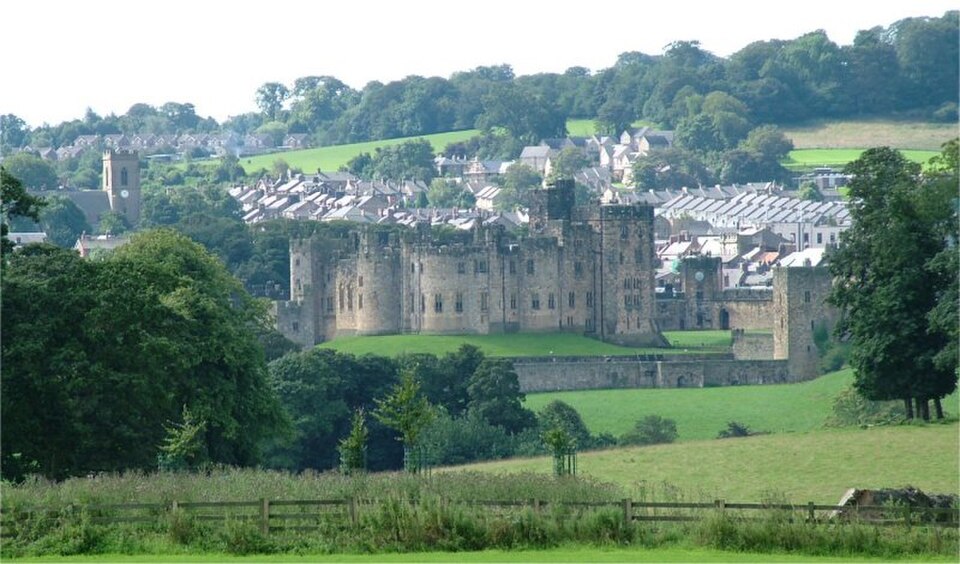 Weekend dedicated to Northumberland’s traditional smallpipes at Alnwick Castle, England
At Alnwick Castle, a weekend dedicated to Northumberland’s smallpipes
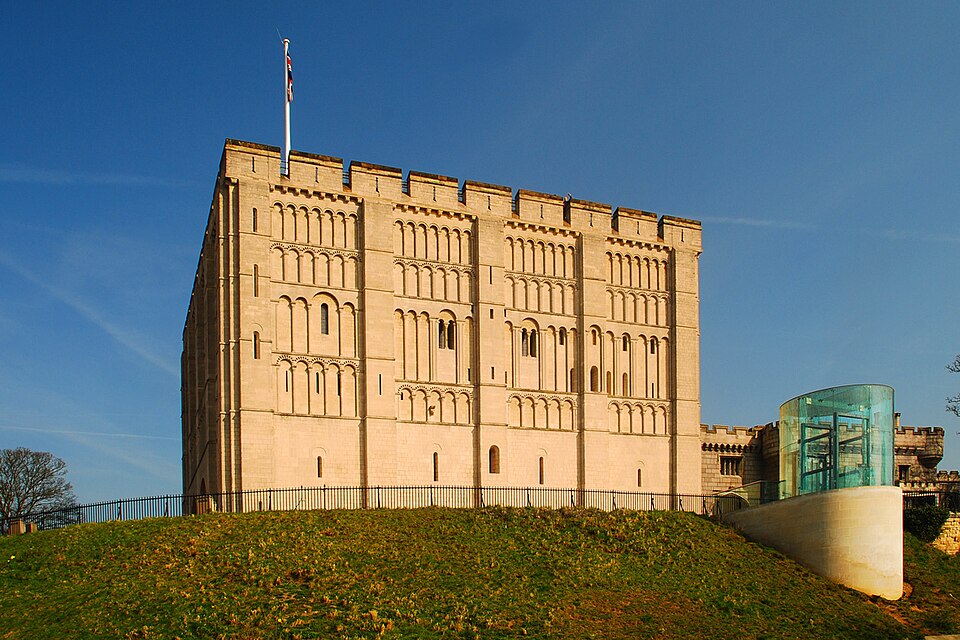 Exploring the Norman keep of Norwich Castle after its restoration and the opening of a new medieval gallery
Norwich Castle: explore the Norman keep reopened across five levels
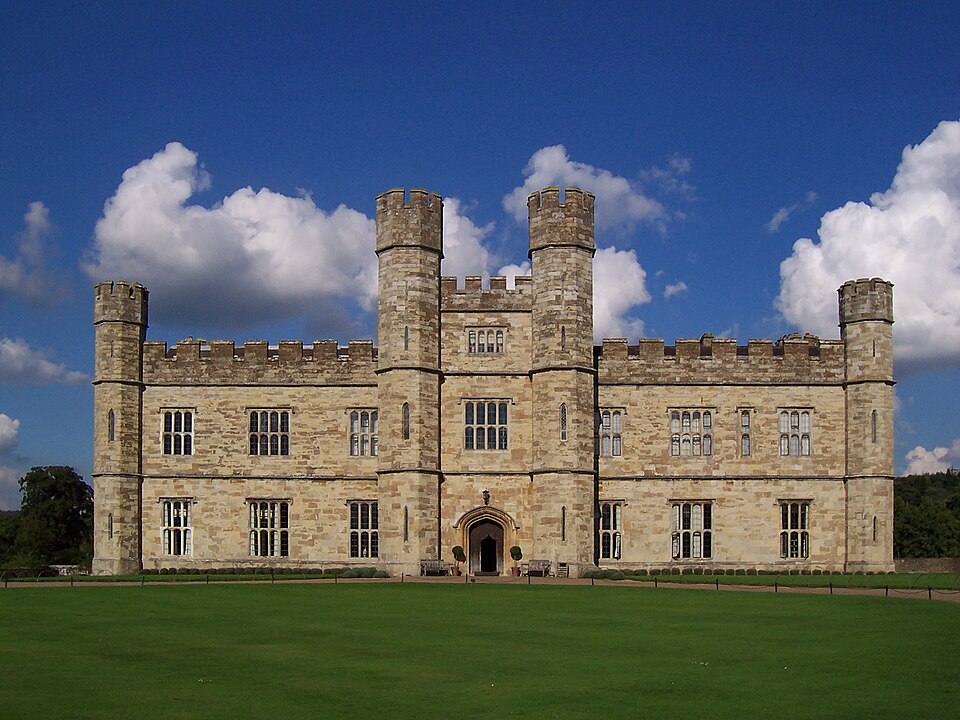 Christmas 2026 programmes at five English castles: Leeds Castle, Hever, Warwick, Haddon Hall and Sudeley
Christmas 2026 in England: 5 illuminated castles, from Leeds Castle to Haddon Hall
The route on the map
From the Coquet to the Tweed
Five castles from south to north: Warkworth, Dunstanburgh, Bamburgh and Lindisfarne on the coast, then Norham on the Scottish border.
Markers follow the suggested visiting order. Select a castle to open its page.
Sources
Read more
Day by day
The itinerary
Day 1 – Warkworth and Dunstanburgh
Morning at the Percys’ castle above the Coquet, then drive to Craster for the two-kilometre coastal walk to Dunstanburgh. Overnight in Craster or nearby.
Day 2 – Bamburgh and the Farne Islands
Visit Bamburgh (closed 9–13 November), then a 90-minute cruise from Seahouses around the Farne Islands if conditions allow. Overnight in Bamburgh or Seahouses.
Day 3 – Lindisfarne and Norham
Cross to Holy Island according to tide times, visit the castle and Jekyll’s garden, then drive to the Tweed for the final stop at Norham.