
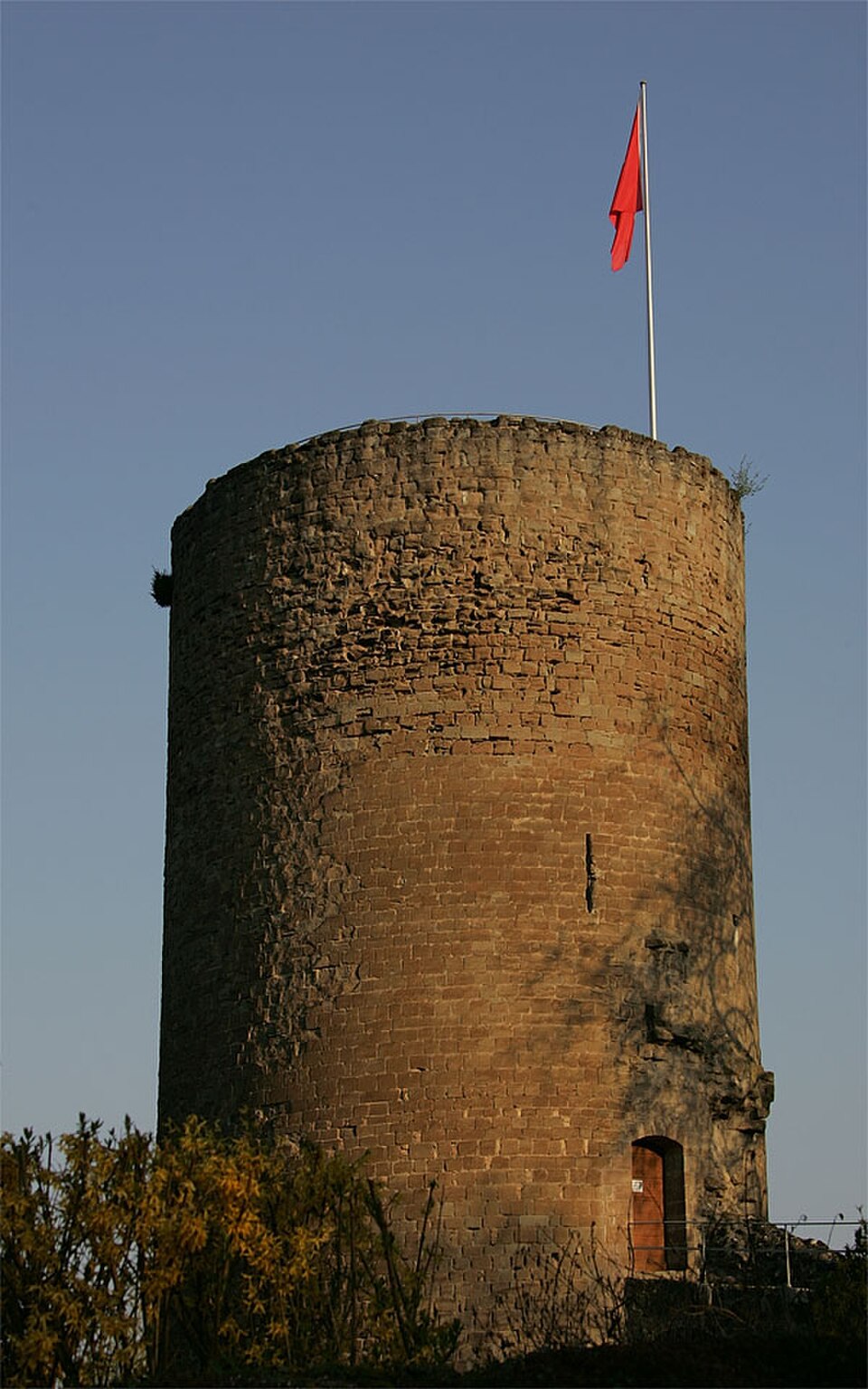
Selection of castles in the canton of Geneva linked to the wars against Savoy and the Peace of Saint-Julien, to be discovered around the Climbing Festival 2026
Climbing 2026: six castles of the Geneva countryside, from Savoyard fortresses to stately homes of peace
Before the Climbing procession from 11 to 13 December 2026, six castles in the Geneva countryside recount the long war against Savoy and then the Peace of 1603: from Hermance to Dardagny, Champlong to Le Reposoir.
Editorial journal · Carte des Châteaux ·
Genève, autour du 12 décembre
Every December, Geneva re-enacts a night it won. That of 11 to 12 December 1602, according to the calendar of the time, when some 2,000 soldiers of the Duke of Savoy attempted to scale its ramparts and were repelled before dawn. From Friday 11 to Sunday 13 December 2026, the 1602 Company will once again fill the Old Town with fifes, drums, musketeers and torchbearers. But the Climbing is only the most famous episode of a generations-long conflict, which also played out in the countryside, around strongholds that were looted, razed and then rebuilt. Six castles in the canton preserve the traces of this history, from the Savoyard ruins of Hermance to the grand stately homes built by Geneva bankers once peace had returned.
The key figures of the night of 1602
Charles-Emmanuel Ier de Savoie
1562 - 1630
Duke of Savoy from 1580, he never abandoned his claim to Geneva, which his house had held since the Middle Ages. After the war of 1589, he ordered the surprise attack of December 1602. Its failure forced him to sign the Treaty of Saint-Julien in July 1603.
Charles de Simiane d'Albigny
A gentleman in the Duke’s service, he commanded the operation with around 2,000 men. He remained outside the ramparts with the bulk of the troops while the vanguard scaled the walls, and was forced to order a retreat when the alarm was raised.
La Mère Royaume
Heroine of Geneva’s tradition, this mother of a large family from Lyon is said to have tipped a pot of scalding soup over a Savoyard soldier. Her act gave rise to the chocolate cauldron sold from 1881 and the vegetable soup shared during the festival.
Read next
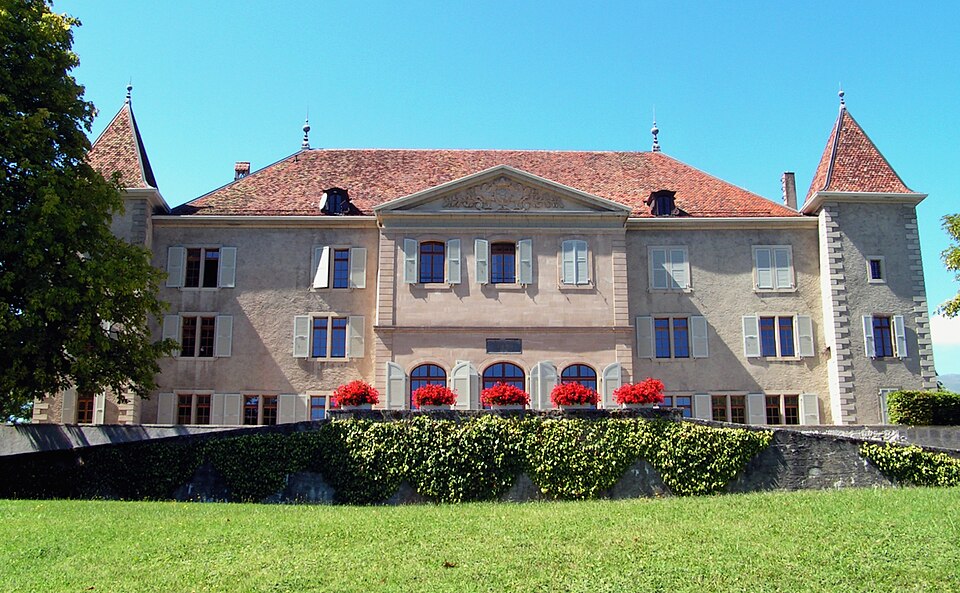
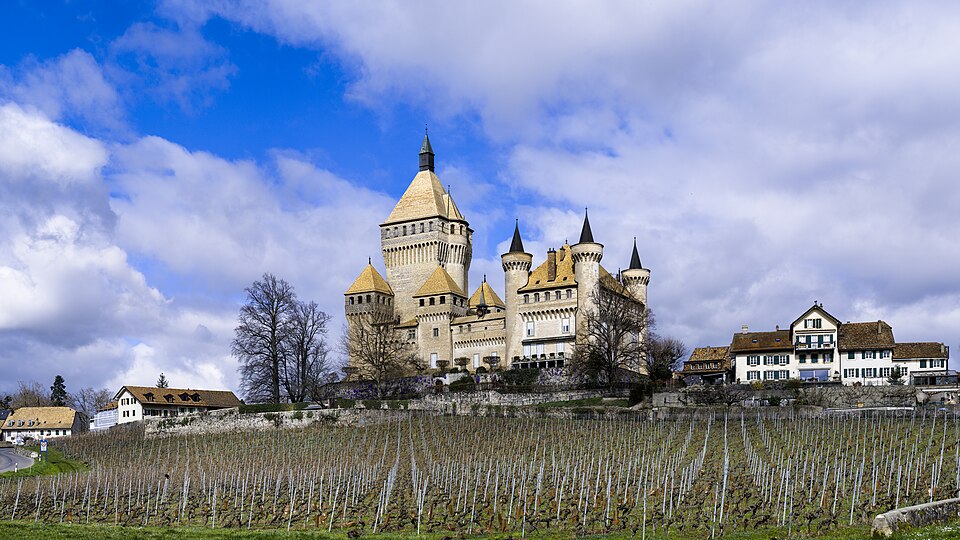 A two-day itinerary through the châteaux of the Vaud Riviera, on the shores of Lake Geneva, from Coppet to Morges
The Vaud Riviera in two days: six châteaux on Lake Geneva, from Coppet to Morges, before 20 December
The story of Béatrice de Faucigny, the Great Dauphine, and the castles of her fief in Haute-SavoieOn the trail of Béatrice de Faucigny, the Great Dauphine, in Haute-Savoie
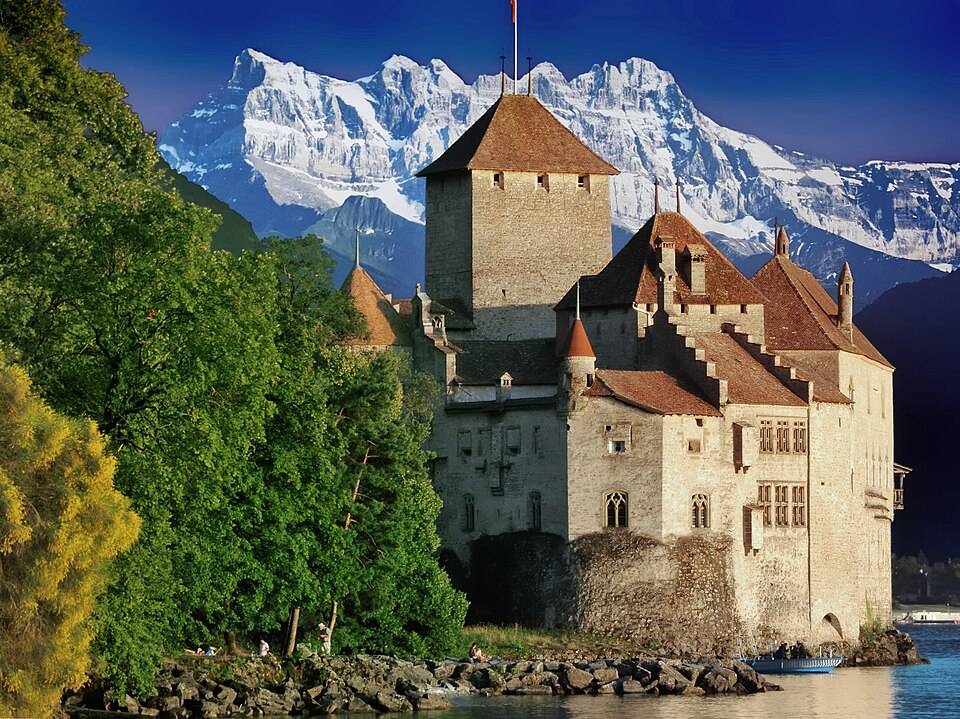 François Bonivard, the prisoner of Chillon, and his literary myth
Château de Chillon: the true story of the prisoner immortalised by Byron
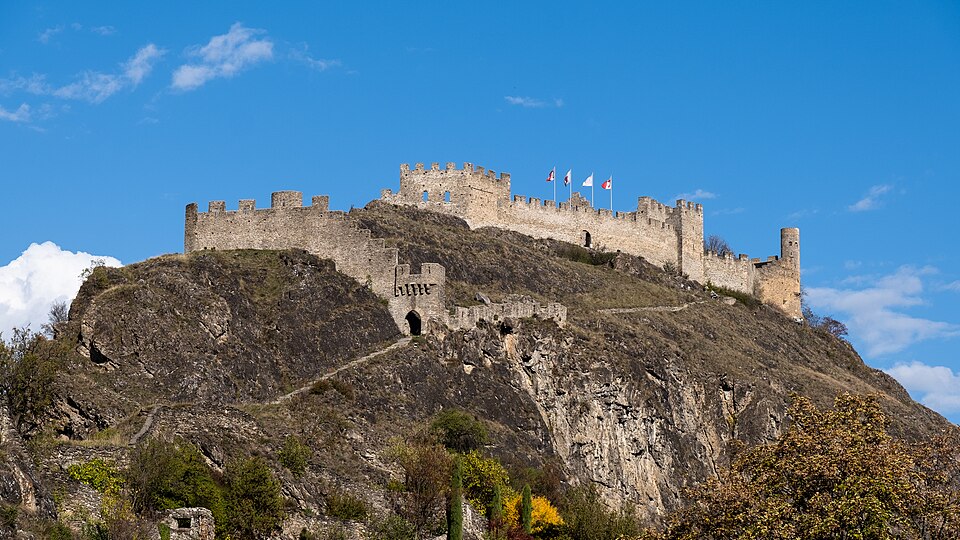 Selection of Valais castles linked to the rivalry between the House of Savoy and the Bishops of Sion, to visit in autumn
Valais: 5 castles between Savoy and the Bishops of Sion to visit before Tourbillon closes
Sources