

Exceptional opening of Château Pertusier in Morteau, Doubs, before its transformation into the Cité des Horlogers
Morteau: Château Pertusier opens before its transformation into the Cité des Horlogers
Usually closed, Château Pertusier in Morteau will exceptionally open its doors on 19 and 20 September 2026, ahead of the £6.6 million project to transform it into the Cité des Horlogers.
Editorial journal · Carte des Châteaux ·
Château Pertusier in Morteau, Doubs, is not usually open to the public. Yet on 19 and 20 September 2026, as part of European Heritage Days, this 1576 Renaissance château will welcome visitors with special events celebrating its history and the craftsmanship behind heritage conservation. This rare opportunity comes as the building, home to the Musée de l'Horlogerie du Haut-Doubs since 1985, undergoes a £6.6 million restoration to become the future Cité des Horlogers.
01
A rare surviving Comtois Renaissance gem in need of care
Built in 1576 by the Cuche family, Château Pertusier is the sole surviving example of Renaissance architecture in the Haut-Doubs. Having survived two fires—in 1888 and 1936—without losing its grand chimneys or spiral staircase, the château now faces decay: cracked Renaissance façades, damaged cellars, warped floors and split ceiling beams. Since 2020, its curtain wall has required reinforcement following several partial collapses.
02
A rare opening before major restoration work
The château, which has housed the Musée de l'Horlogerie du Haut-Doubs and its collection of over 2,500 timepieces—recognised by UNESCO in 2020 as part of France’s intangible cultural heritage—will open exceptionally on 19 and 20 September 2026. According to L'Est Républicain, visitors will enjoy special tours and events exploring the site’s history and the craftsmanship of heritage conservation, offering a rare glimpse of this listed monument before its transformation.
03
A £6.6 million transformation into the Cité des Horlogers
The project, led by local authorities, will turn the site into the "Cité des Horlogers", merging collections from three regional museums and incorporating artisan workshops. The total cost is estimated at £6.6 million. The Loto du Patrimoine has already contributed £500,000, and a public fundraising campaign aims to raise £100,000. Work will continue until 2026, when the château will reopen in its restored form as a time-honoured conservatory.
Read next
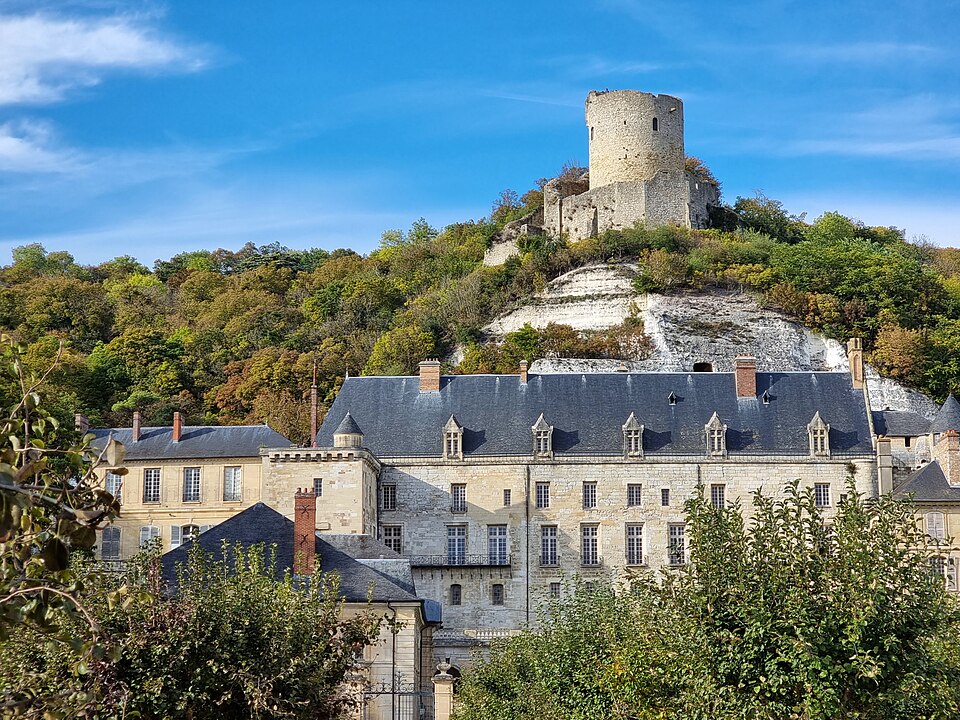 Selection of castles to visit for the European Heritage Days 2026
European Heritage Days 2026: the castles to discover on 19 and 20 September
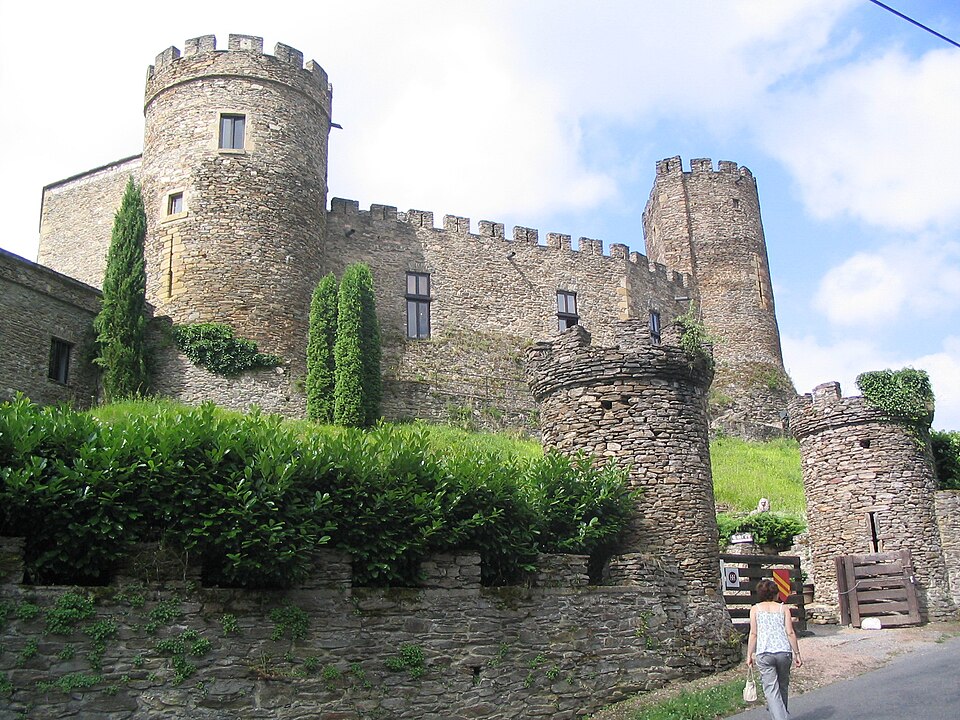 Exceptional opening of the Château de Chouvigny, in the Allier, for European Heritage Days 2026
Chouvigny: the 13th-century keep opens for Heritage Open Days
RestorationClosed to the public, this Loire château is exceptionally opening its restoration site
Sources