Historical portrait of Louis IX (Saint Louis) and Blanche of Castile through five castles, marking the 800th anniversary of the coronation on 29 November 1226
Saint Louis, 800 years after his coronation: five castles to trace the builder king’s legacy, from Angers to Aigues-Mortes
On 29 November 1226, Louis IX was crowned in Reims at the age of twelve. Eight centuries later, Angers, Saint-Germain-en-Laye, Peyrepertuse, Taillebourg and Aigues-Mortes recount the reign of a king who fortified his kingdom.
Editorial journal · Carte des Châteaux ·
1226-2026
On 8 November 1226, Louis VIII dies of dysentery in Montpensier, Auvergne, on his return from the Albigensian Crusade. His eldest son is just twelve years old. Three weeks later, on 29 November, the boy is crowned in Reims Cathedral, while his mother, Blanche of Castile, takes control of a kingdom that several great barons deem ripe for the taking. Eight hundred years have passed, and the anniversary falls this autumn. Rather than relics and stained glass, we have followed Louis IX through his stones: five castles he built, conquered or defended, from the Maine to the peaks of the Corbières and the Camargue lagoons. The All Saints’ school holidays, until 2 November, leave time to visit at least one before the anniversary date.
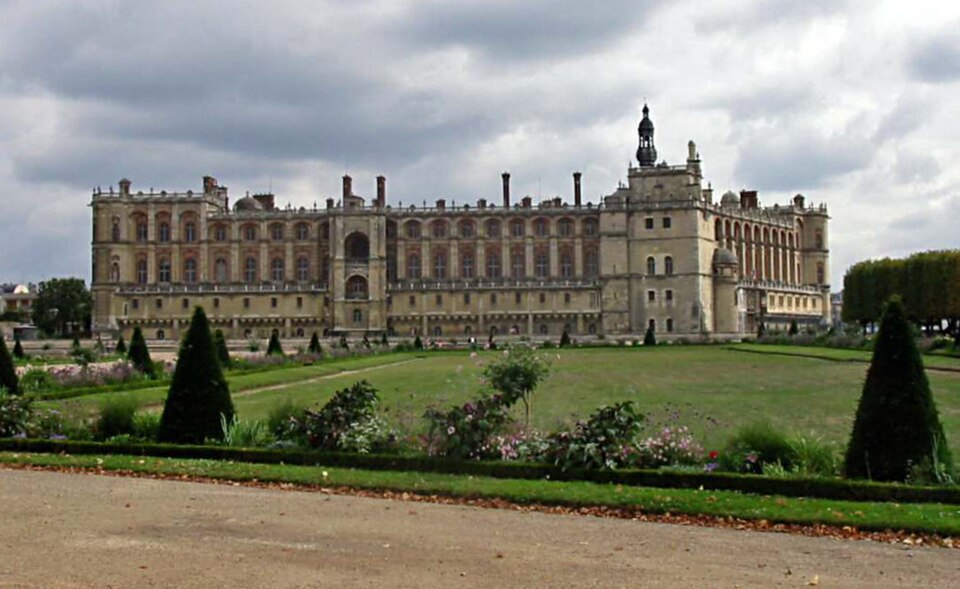
Saint-Germain-en-Laye: behind the Renaissance façades commissioned by Francis I lies the chapel completed for Louis IX in 1238. — Wikimedia Commons, CC BY-SA 3.0
Younger brother of Louis IX, he receives the County of Poitou, whose announced takeover in Saumur in 1241 triggers the revolt of the Lusignans. He fights alongside the king at Taillebourg. After the victory, he confiscates the Poitevin castles of Hugh of Lusignan, restores them and then sells them on.
♜
Henri III d'Angleterre
1207 - 1272
Son of John Lackland, he lands at Royan on 20 May 1242 to support his father-in-law Hugh of Lusignan. Defeated at Taillebourg and then outside Saintes, he abandons his quest to reclaim the former Plantagenet lands and signs the Treaty of Paris in 1259 with Louis IX, leaving him with Guyenne.
♜
Marie Durand
1711 - 1776
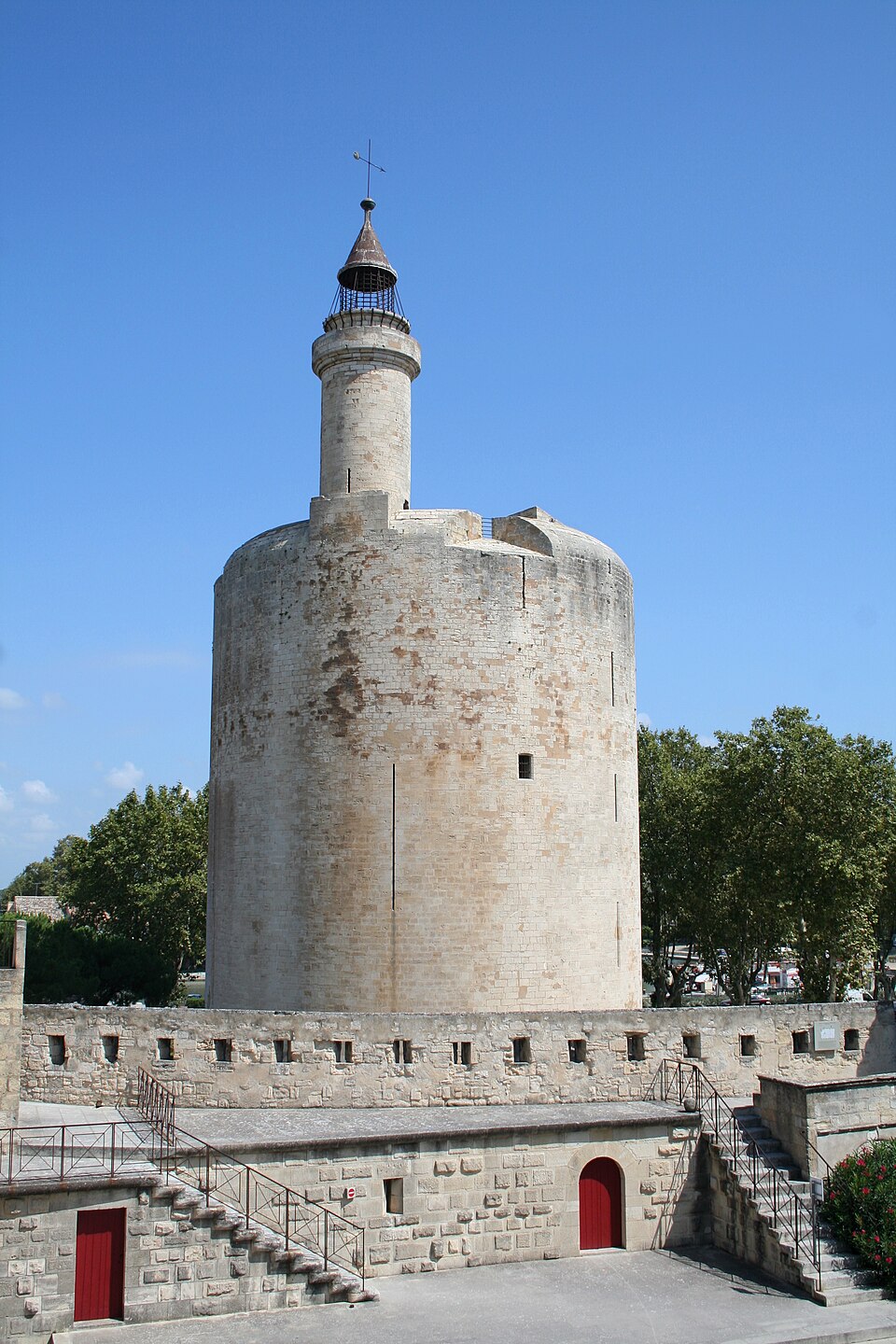
A Protestant from the Vivarais, she was imprisoned in 1730 in the Tour de Constance, which had become a prison after the revocation of the Edict of Nantes, and remained there for thirty-eight years. She is credited with carving the inscription ‘REGISTER’—meaning ‘to resist’—into the stone, which has become a symbol of freedom of conscience.

 Heritage news: 2026 UNESCO inscription
 History of Coucy Castle, from the House of Coucy to its destruction in 1917
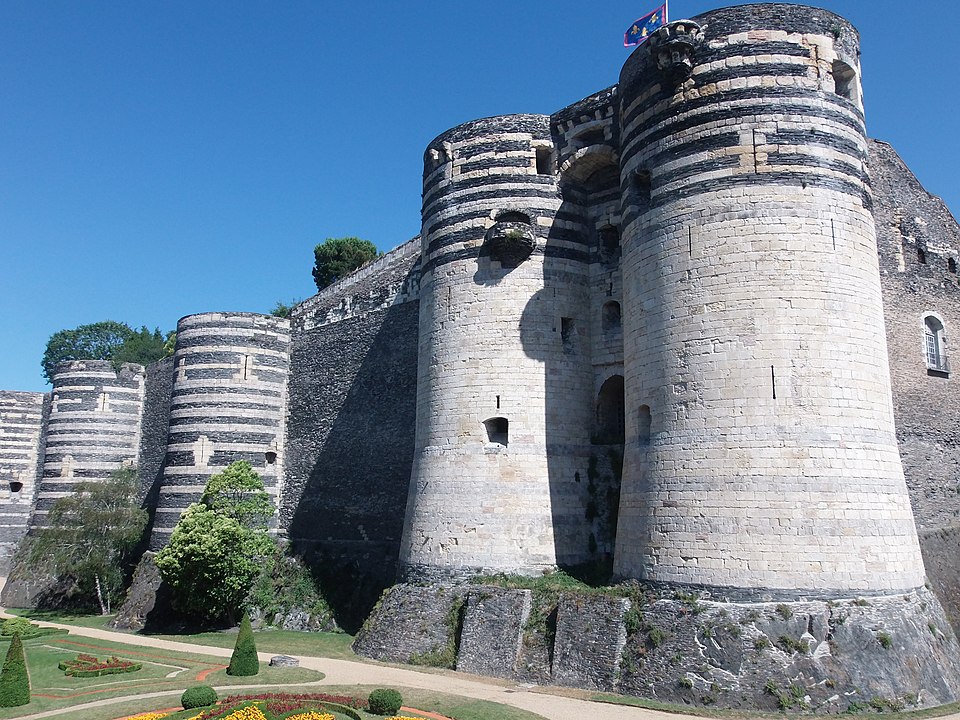 A 3-day itinerary through Anjou’s châteaux, from Angers to Montreuil-Bellay
 Weekend without a car from Paris