
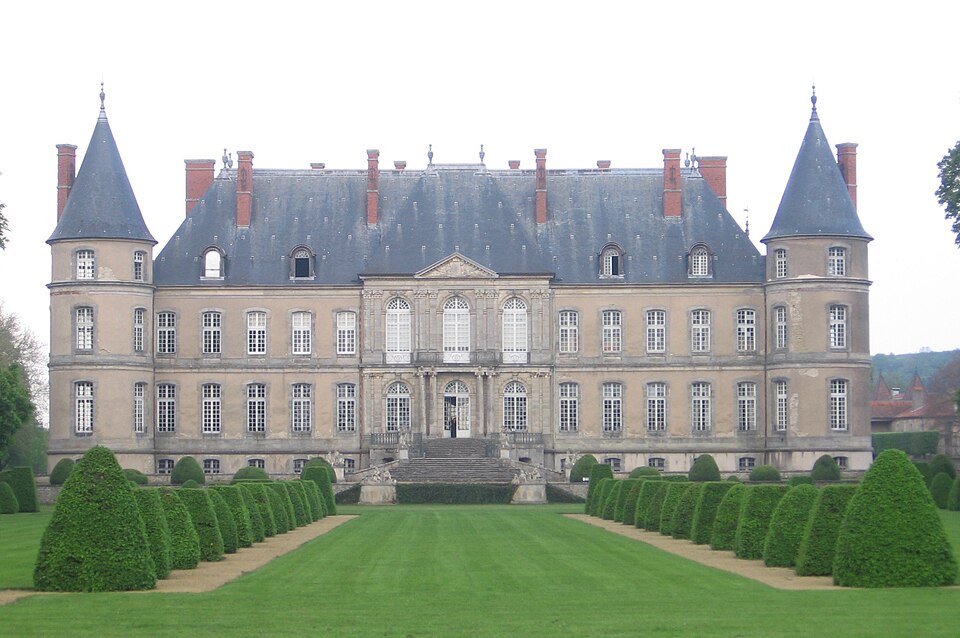
Castles of the Dukes of Lorraine and Stanislas around Nancy, to be discovered during the St Nicholas Festivities 2026
St Nicholas Festivities 2026: Five Castles of the Dukes of Lorraine, from Nancy to Haroué
Before the St Nicholas parade on 5 December in Nancy, five castles recount three centuries of the Lorraine court: the palace of René II, Fléville, Lunéville, Commercy and Haroué, from the victory of 1477 to the death of Stanislas.
Editorial journal · Carte des Châteaux ·
Lorraine, 1477-1766
In Lorraine, winter begins on 6 December. Patron saint of the region since the late Middle Ages, St Nicholas is celebrated far more than Father Christmas, and Nancy dedicates forty-five days of festivities to him this year, from 20 November 2026 to 3 January 2027. This cult has a political history: it flourished at a time when the Dukes of Lorraine, independent princes trapped between France and the Empire, were building multiple residences around their capital. Five of these homes, all within an hour’s drive of Place Stanislas, allow visitors to follow their history in order, from the palace rebuilt by René II after his victory over Charles the Bold to the château where Stanislas Leszczyński, the last sovereign of a duchy that became French in 1766, died.
The Princes of This Chronicle
René II de Lorraine
1451 - 1508
Duke of Lorraine from 1473, he confronted Charles the Bold, who sought to link his Burgundian and Flemish territories through Lorraine. His victory at Nancy on 5 January 1477, where the Bold met his death, secured the duchy’s independence. He then launched the rebuilding of the ducal palace and the pilgrimage church of Saint-Nicolas-de-Port.
Léopold Ier de Lorraine
1679 - 1729
Born in exile during the French occupation of his duchies, he regained possession of them in 1697. Unable to hold his court in Nancy, which was again occupied, he made Lunéville his principal residence and rebuilt it in the style of Versailles. His peaceful reign is associated with the economic recovery of Lorraine.
Stanislas Leszczyński
1677 - 1766
Twice King of Poland and twice deposed, he was the father of Marie Leszczyńska, wife of Louis XV. In 1737, he was granted the duchies of Lorraine and Bar for life. He divided his time between Lunéville and Commercy, welcomed Enlightenment writers and commissioned Emmanuel Héré to design the square in Nancy that now bears his name, inaugurated on 26 November 1755.
Marc de Beauvau-Craon
1679 - 1754
Companion and trusted aide of Duke Leopold, he became Constable of Lorraine and later represented Francis III in Tuscany as Viceroy. He had Germain Boffrand build the château at Haroué, which remains in the hands of his descendants.
Planning Your Visit
Read next
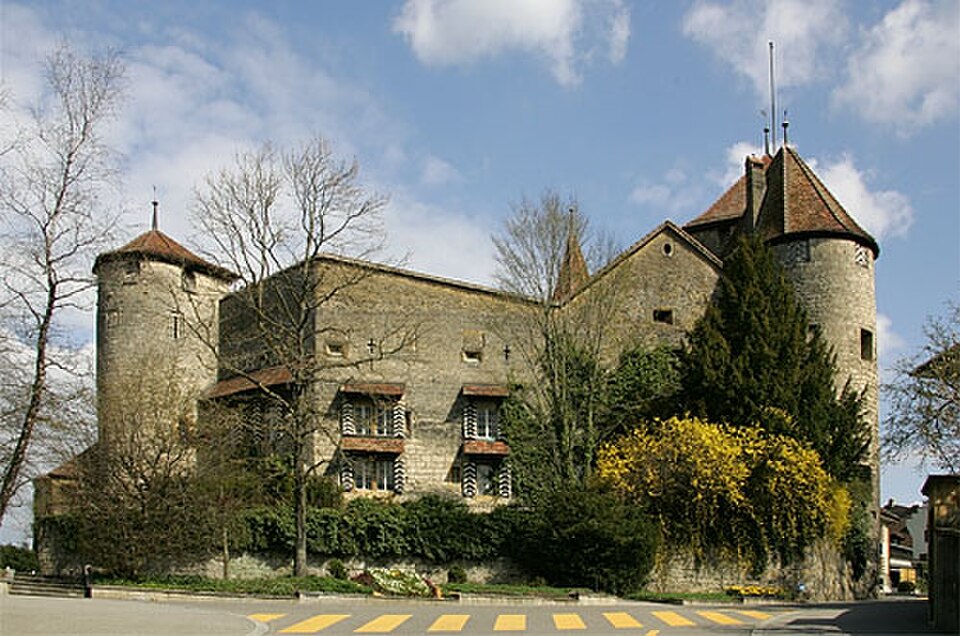 Historical portrait of Charles the Bold, Duke of Burgundy, through five castles in France and Switzerland linked to his life and the Burgundian Wars
Charles the Bold in five castles: from Charolles to Murten, the fall of Burgundy’s last great duke
Selection of the château d'Haroué for the 2026 Loto du Patrimoine, in Meurthe-et-MoselleHaroué: the 'Chambord of Lorraine' chosen for the 2026 Loto du Patrimoine
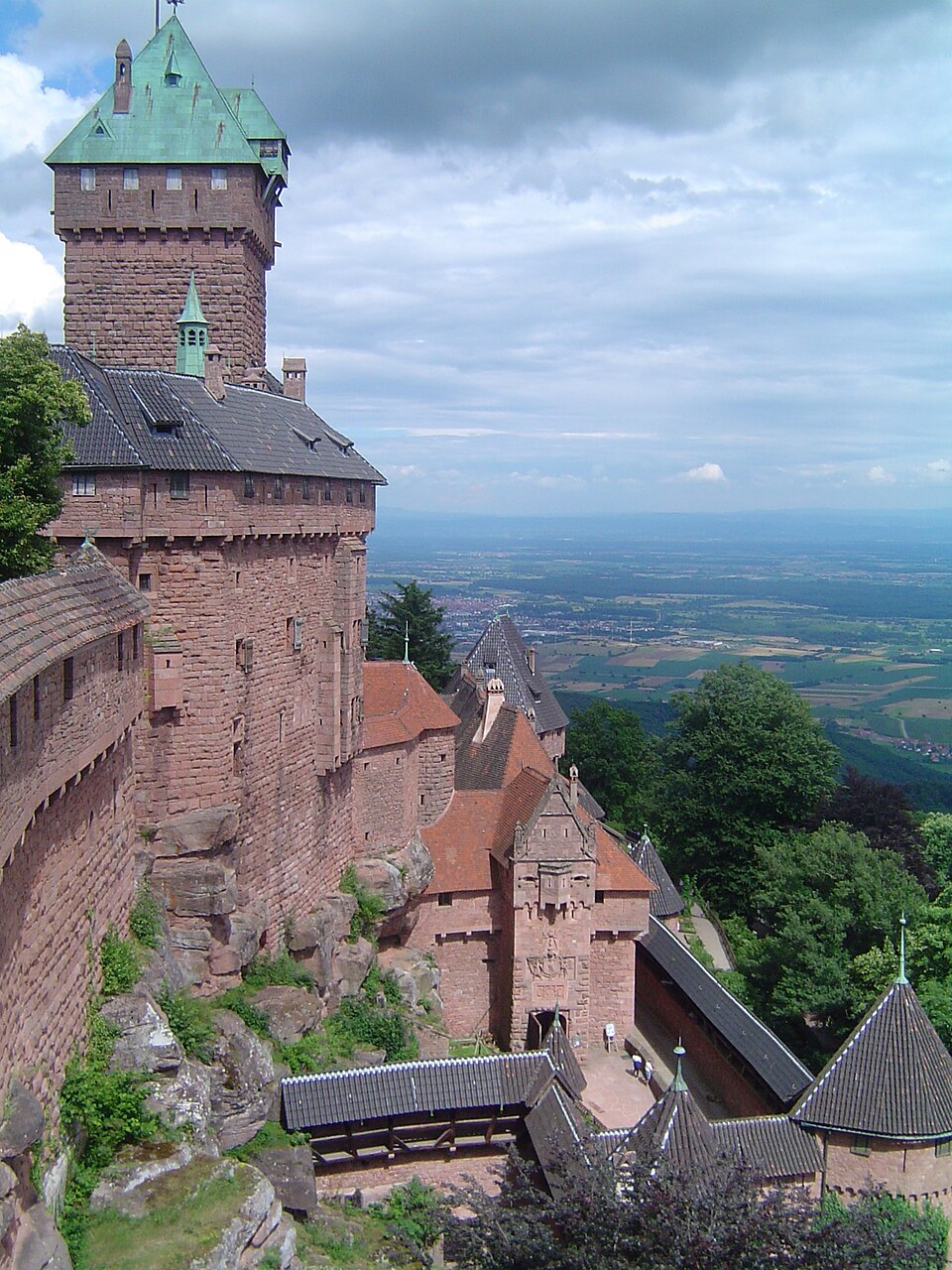 A three-day Alsace itinerary combining Christmas markets 2026 (Saverne, Strasbourg, Sélestat) with five castles: Hunebourg, Osthoffen, Kintzheim, Haut-Koenigsbourg and Frankenbourg.
Christmas markets in Alsace: three days of castle-hopping from Saverne to Sélestat
Archaeological excavations and reopening of Pierre-Percée Castle in Meurthe-et-MosellePierre-Percée: excavations ahead of reopening reveal the secrets of the keep
Sources