
Architecture
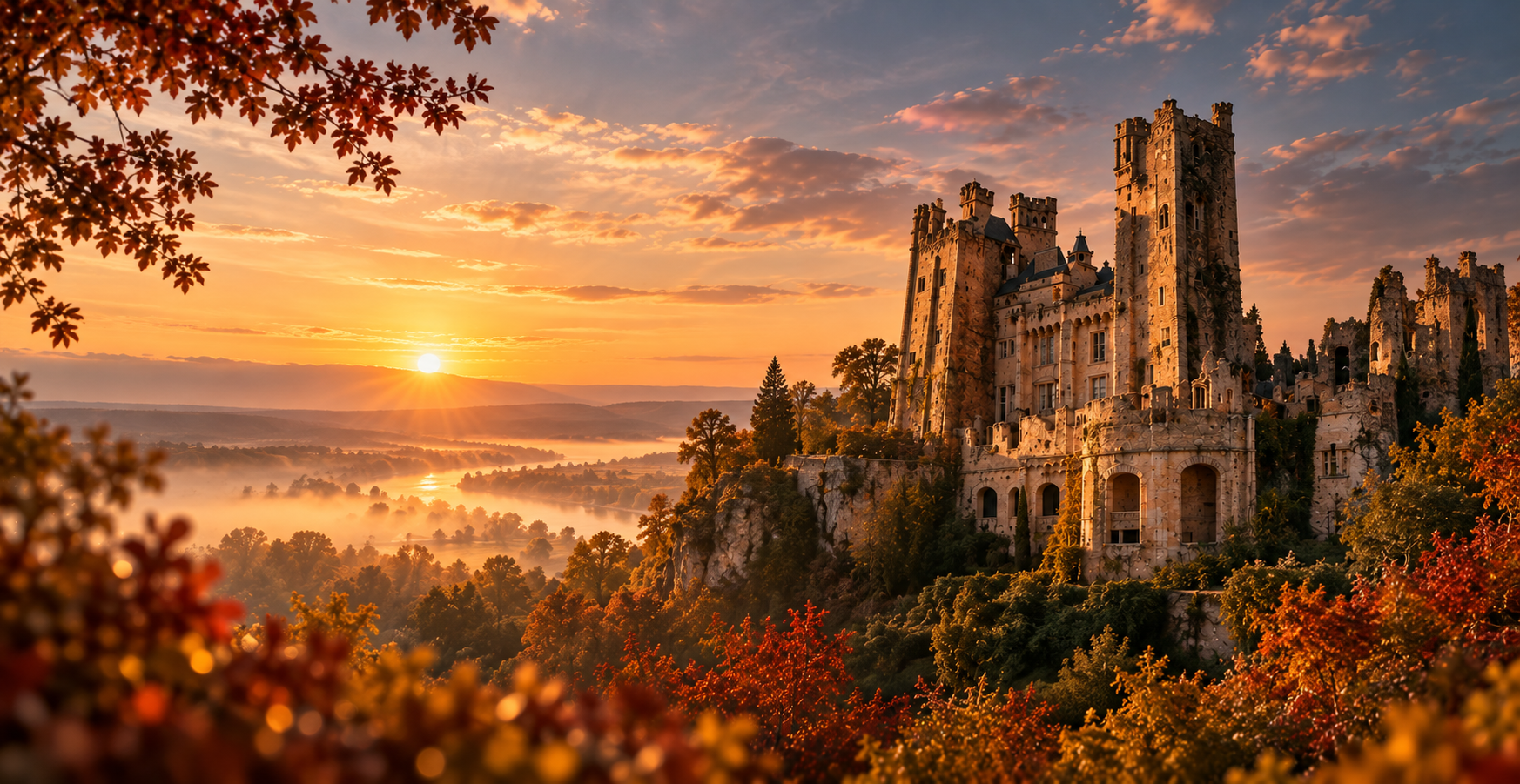
XVe, XVIIth, XVIIIth: three architectural eras united in a Breton château
At Château de Couëllan, in the Côtes-d'Armor, a 15th-century manor house, a 17th-century reconstruction and an 18th-century extension can still be read in the stone. A mini-guide to spotting these building campaigns.
Editorial journal · Carte des Châteaux ·
A château is almost never built in one go. It accumulates, is completed and transformed over generations, marriages and architectural trends. Learning to spot these successive building campaigns is like reading a text written by many hands. Château de Couëllan, in the Côtes-d'Armor, offers a particularly clear case study: a medieval manor documented as early as the 15th century, a reconstruction at the very start of the 17th century after the Wars of the League, then a major extension in the 18th century. The estate will exceptionally open to the public from 18 to 20 September 2026, for European Heritage Days.
A château reads like a text written by many hands
Most châteaux are not built in one go. They accumulate over the centuries, through marriages and architectural trends — and each building campaign leaves clues that can be spotted in the stone. Château de Couëllan, in the Côtes-d'Armor, offers a textbook example: several eras overlap, from the medieval manor to the 18th-century extension.
First campaign: the 17th-century reconstruction
A manor house is mentioned as early as the 15th century at Couëllan, damaged during the Wars of the League. The current château was rebuilt around 1620 for Simon Hay des Nétumières. This first campaign included the south-west pavilion of the main building, the chaplain's pavilion to the north-east, a now-vanished enclosure wall and substantial outbuildings. The staircase from this period, with its straight flights supported by rampant barrel vaults, is a direct witness to it.
Second campaign: the 18th-century extension
Between 1748 and 1777, the château underwent a second major building campaign: extension of the chaplain's pavilion, construction of an orangery, then completion and extension of the main building by a wing set at a right angle — a wing built at a right angle to the main building. The wooden suspended staircase from this period, with its wrought-iron balustrade characteristic of the early years of the reign of Louis XVI, still bears its mark.
The building campaigns at Couëllan
An exceptional opening from 18 to 20 September 2026
Château de Couëllan will open its doors from Friday 18 to Sunday 20 September 2026, for European Heritage Days, with a visit dedicated to these different building campaigns. On Saturday and Sunday afternoons, a costumed performance around the character of "Marie the Poisoner" will accompany afternoon tea served on site.
Read more
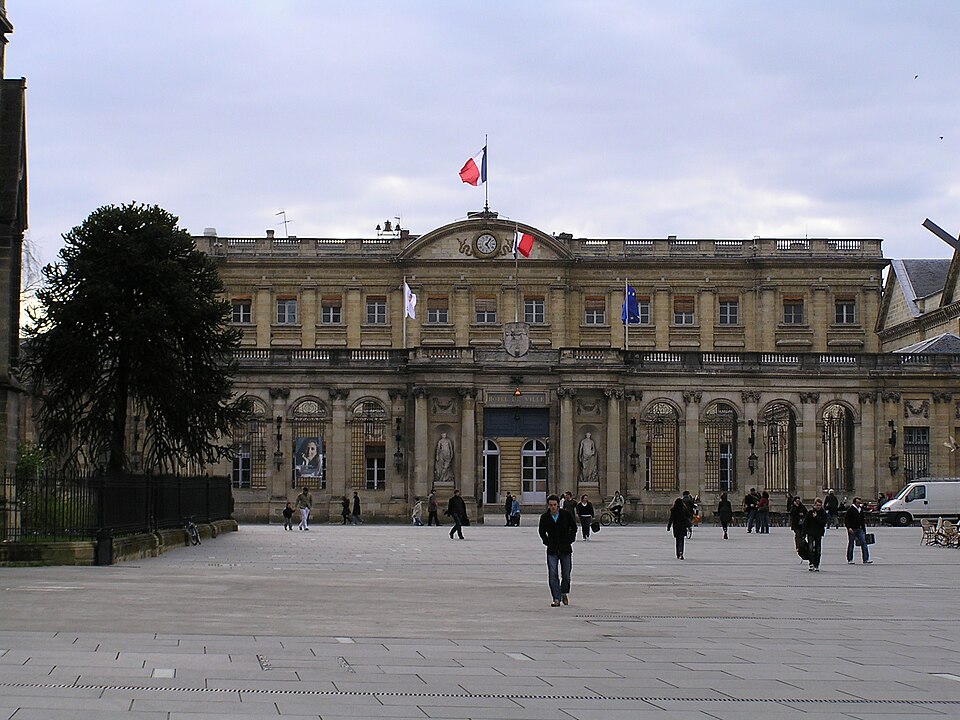 Understanding heritage vocabulary: château, castle, fortress and palace
Château, castle, fortress, palace: what’s the difference?
 Selection of castles to visit for the European Heritage Days 2026
European Heritage Days 2026: the castles to discover on 19 and 20 September
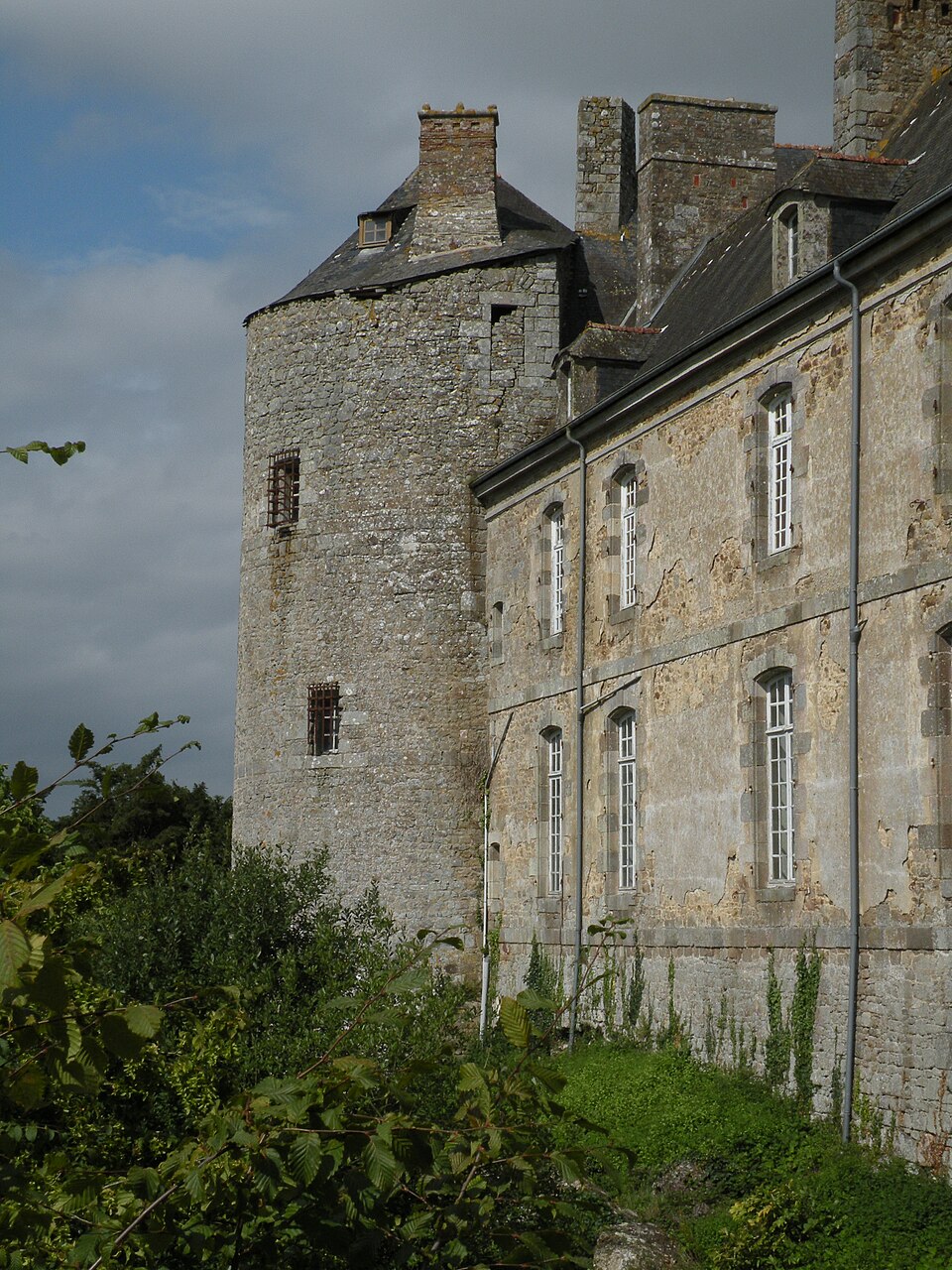 Week-end de 2 jours dans les châteaux du Pays de la Bretagne romantique
Châteaux de la Bretagne romantique : notre itinéraire pour un week-end de 2 jours
Sources