
Historical portrait of Louis VIII and his English campaign (1216–17) through six castles, marking the 800th anniversary of his death at Montpensier (8 November)
Louis VIII, 800 years after his death: the French prince who nearly ruled England, in six castles
Died at Montpensier on 8 November 1226, Louis VIII had first been proclaimed King of England. From Rochester to Dover, Odiham to Berkhamsted, five English castles recount his 1216–17 campaign, and a volcanic mound in Auvergne his final days.
Editorial journal · Carte des Châteaux ·
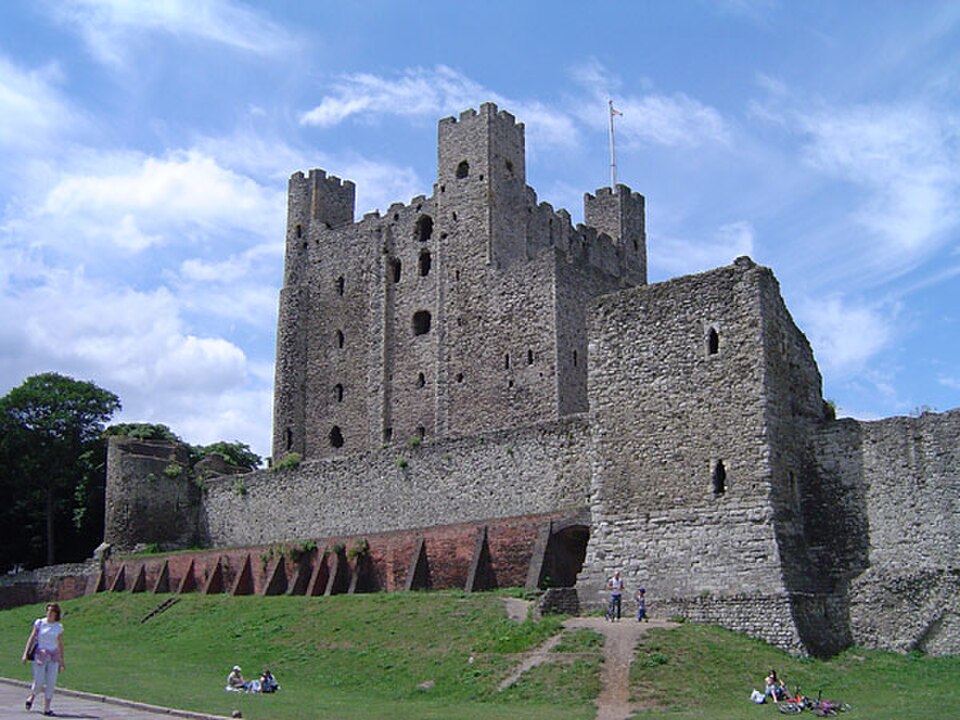
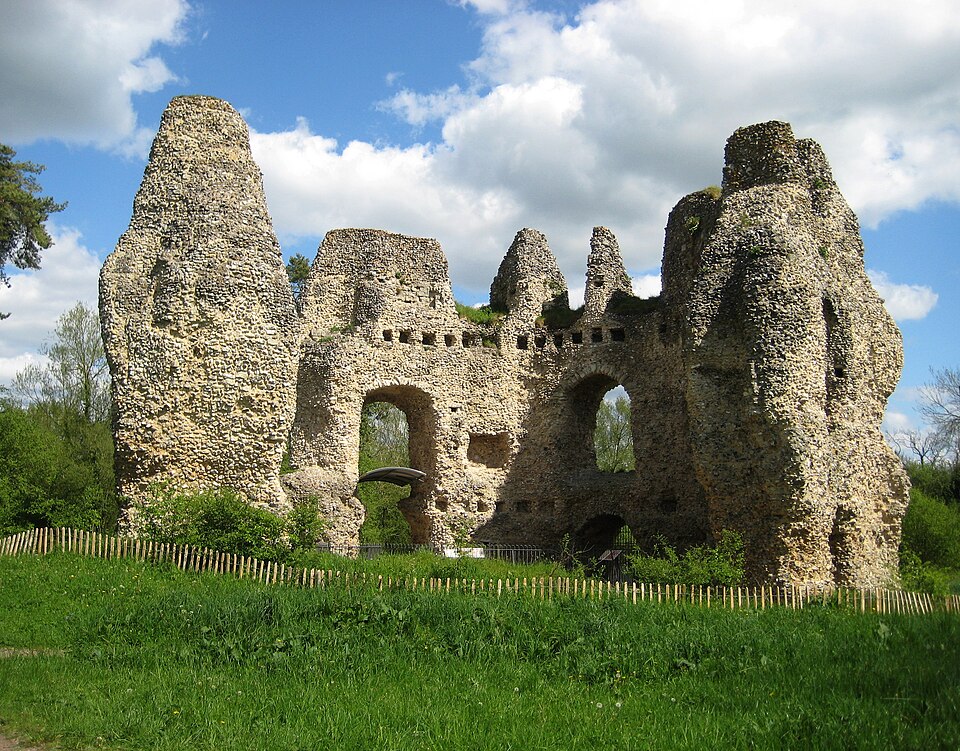
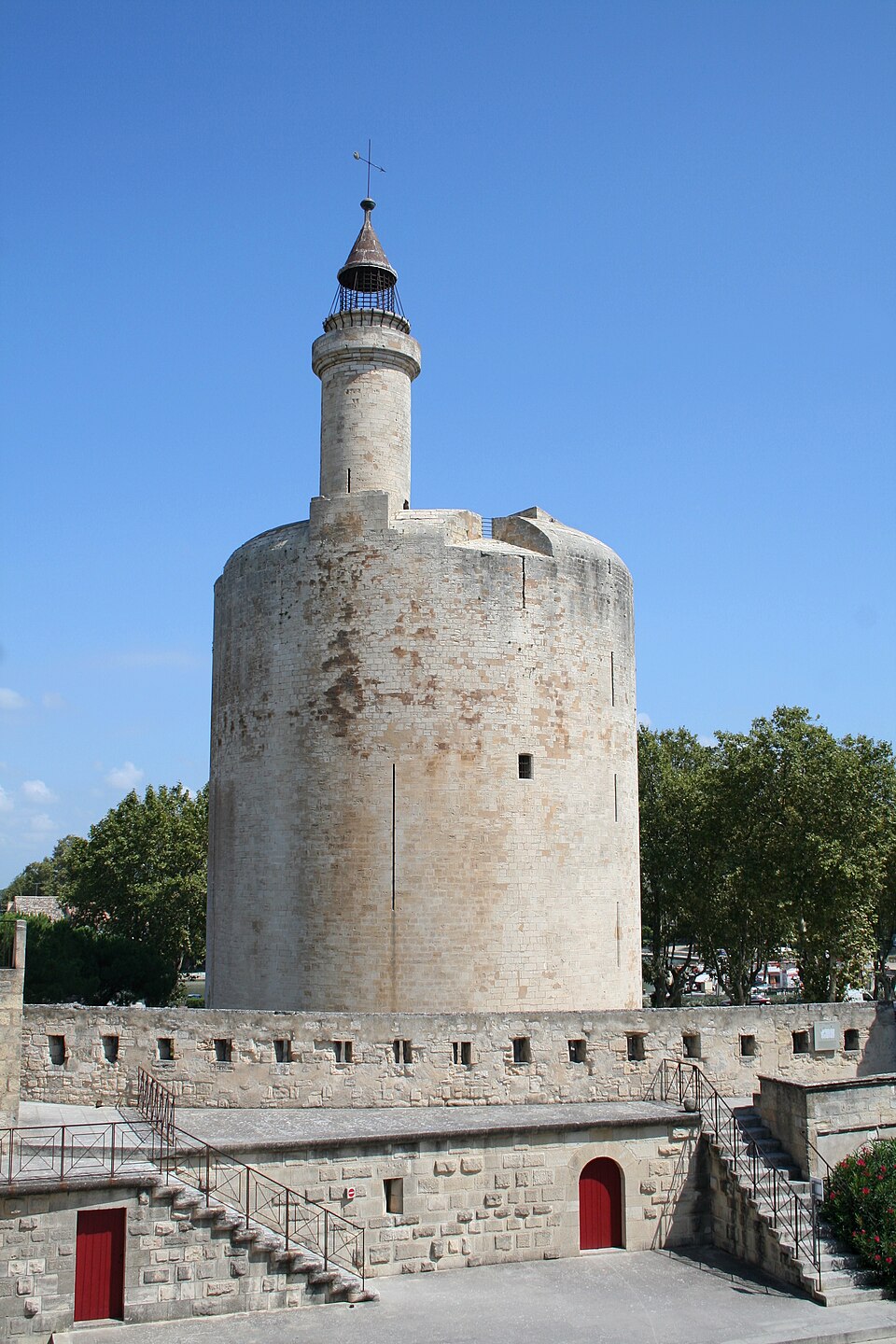
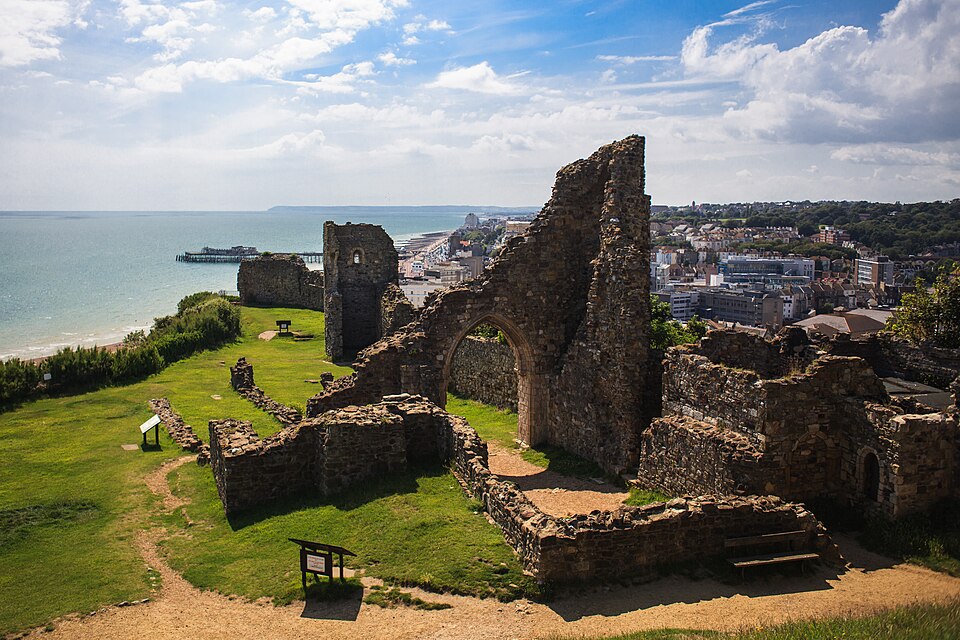
On Sunday 8 November, it will be eight centuries since Louis VIII died of dysentery at Montpensier Castle in Auvergne, returning from the Albigensian Crusade. His reign lasted just three years and four months, sandwiched between those of Philip II and Saint Louis. Yet few recall that before ruling France, this prince had been proclaimed King of England. In May 1216, summoned by barons rebelling against King John, he landed in Kent and soon controlled London and over half the kingdom. For sixteen months, the war raged from castle to castle. We followed his trail through five English fortresses still open to visitors, from Rochester to Berkhamsted, before reaching the Auvergne mound where it all ended.
Rochester Castle
Dover Castle

Facing Prince Louis
Hubert de Burgh
vers 1170 - 1243
Justiciar of England, he commanded Dover’s garrison during the two sieges of 1216 and 1217 and refused to surrender the fortress after King John’s death. In August 1217, the fleet he had assembled destroyed French reinforcements off Sandwich, hastening the Peace of Lambeth.
Jean sans Terre
1166 - 1216
King of England from 1199, he lost Normandy in 1204 then granted and later repudiated the Magna Carta in 1215, driving the barons to invite Louis. He personally besieged Rochester in autumn 1215 and built Odiham. He died in October 1216 mid-war, leaving the throne to his nine-year-old son.
Guillaume le Maréchal
vers 1146 - 1219
A knight in the service of four Plantagenet kings, he became regent for the young Henry III after John’s death. He rallied some rebel barons and won the Battle of Lincoln on 20 May 1217, crushing Louis’s military hopes in England.
See these castles this winter
To extend your journey
 Historical portrait of Louis IX (Saint Louis) and Blanche of Castile through five castles, marking the 800th anniversary of the coronation on 29 November 1226
Saint Louis, 800 years after his coronation: five castles to trace the builder king’s legacy, from Angers to Aigues-Mortes
 Historical portrait of William the Conqueror through seven castles in Normandy and England, to coincide with the Bayeux Tapestry exhibition at the
William the Conqueror in seven castles: from Brionne to the Tower of London, while the Bayeux Tapestry is in London
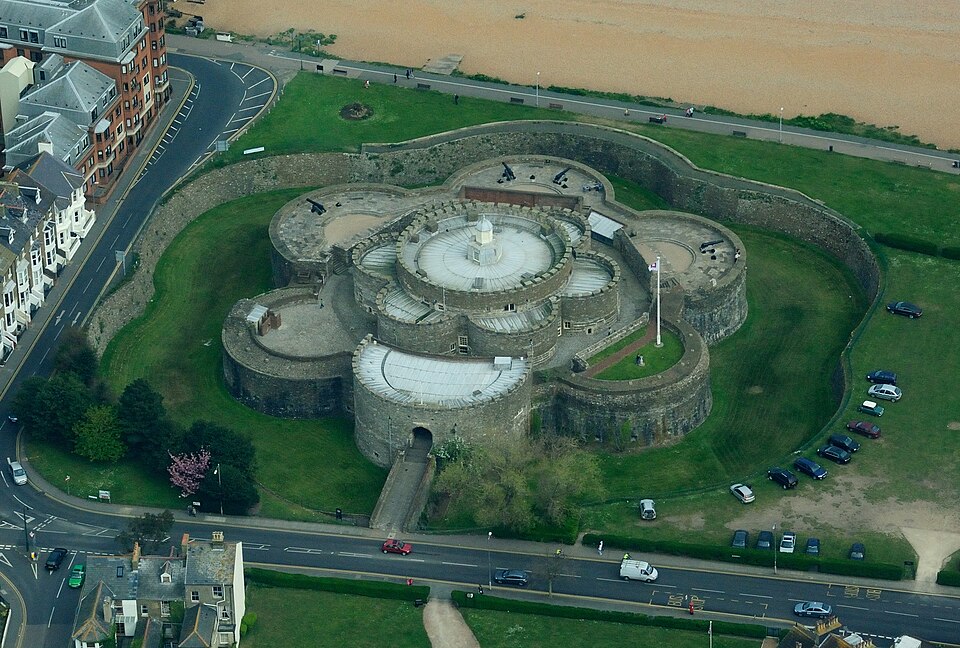 Henry VIII’s coastal forts (the ‘Device’ programme, 1539–1547): seven artillery castles from Kent to Cornwall and the evolution of their architecture
Henry VIII’s Device Forts: seven artillery castles on England’s coast, from Deal to Pendennis
Identification of stones from the vanished Sandown Castle reused at Dover Castle in the 19th centuryDover Castle: stones from the lost Sandown Castle finally identified
Sources