
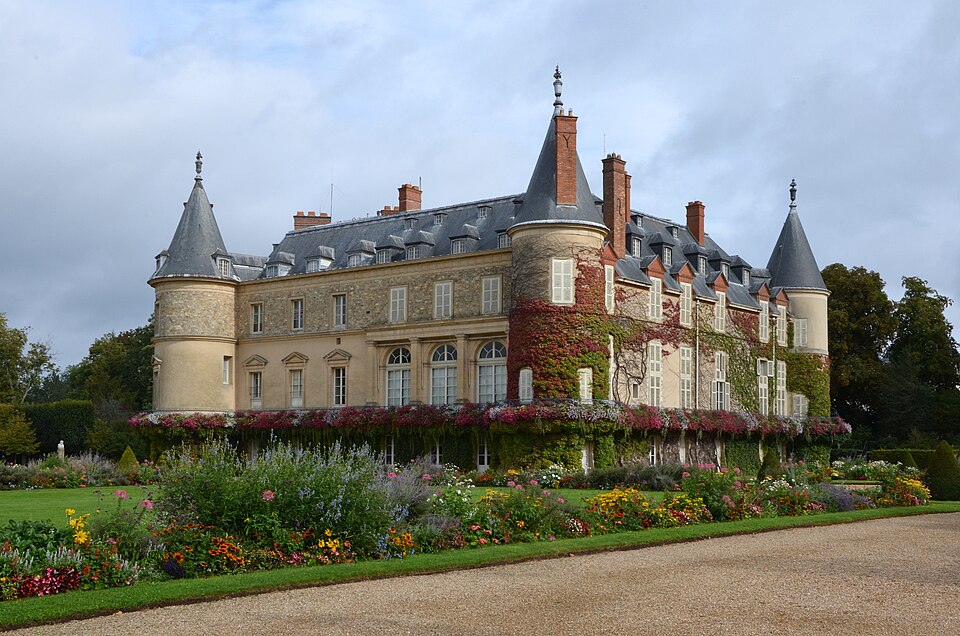
Historical portrait of Napoleon I through six châteaux in France, from Brienne to Rambouillet, ahead of the anniversary of his coronation and the Battle of Austerlitz (2 December)
Napoleon in six châteaux: from Brienne school to his final night in Rambouillet
On 2 December 1804, Napoleon was crowned at Notre-Dame. From the military school in Brienne to his final night in Rambouillet in 1815, six châteaux across France recount the rise and fall of the Emperor, from Corsica to the Berry region.
Editorial journal · Carte des Châteaux ·
De Brienne à Rambouillet, 1779-1815
On 2 December 1804, beneath the vaults of Notre-Dame, Napoleon crowned himself before Pope Pius VII. Exactly one year later, he secured his most famous victory at Austerlitz. Parisians are well acquainted with the Empire’s grand palaces, but the other residences that marked his life remain lesser known: a provincial school where a young Corsican boy learned mathematics, a fortress he never managed to capture, a moat where a prince was executed, the retreat of his mother, the gilded prison of an entire royal family, and the hunting lodge where he spent one of his final nights in France. Six châteaux, in chronological order, trace the Emperor’s journey from 1779 to 1815.
Around the Emperor
Letizia Bonaparte
1750 - 1836
Born Maria Ramolino in Ajaccio, mother of thirteen children—eight of whom survived—she raised the family alone after Charles Bonaparte’s death in 1785. Titled Madame Mère under the Empire, she received the Château de Pont-sur-Seine from her son, where she lived from 1805 to 1813. She spent her final years in Rome.
Charles-Maurice de Talleyrand-Périgord
1754 - 1838
A former Bishop of Autun who became Minister of Foreign Affairs, he purchased Valençay in 1803 at Napoleon’s request to host distinguished foreign guests. He kept the Spanish princes there from 1808 to 1813, later serving the Restoration after the Empire’s fall. He is buried at Valençay.
Louis-Antoine de Bourbon-Condé, duc d'Enghien
1772 - 1804
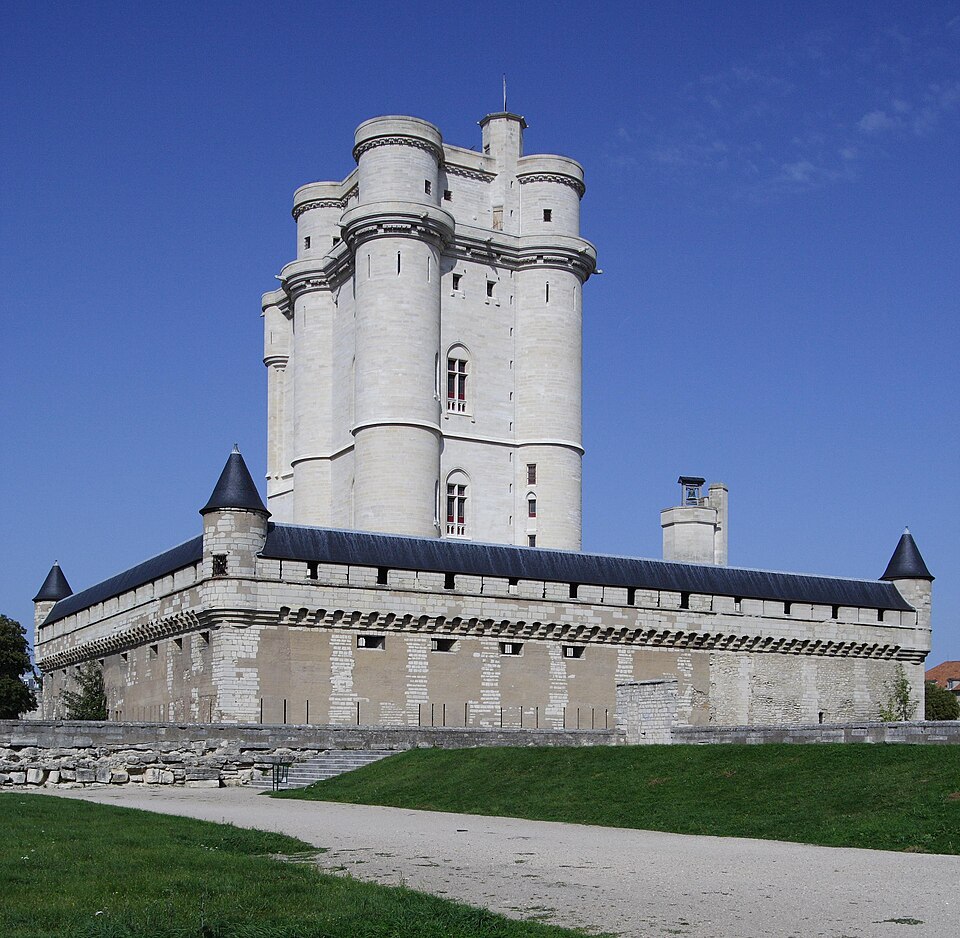
The only son of the Duke of Bourbon and heir to the House of Condé, an émigré living in retirement in Ettenheim, in Baden, he was abducted on the orders of the First Consul in March 1804. Tried in the night by a military commission at Vincennes, he was executed in the château’s moat on 21 March.
Ferdinand VII d'Espagne
1784 - 1833
Heir to Charles IV, he was displaced from the throne by Napoleon in 1808 and held at Valençay with his brother and uncle. The Treaty of Valençay restored him to the Spanish throne in December 1813; he returned to Madrid in 1814 and reigned until his death.
Read next
Château de Joux: the Jura fortress where Toussaint Louverture died
History and restoration of Pierrefonds CastlePierrefonds: the ruined fortress Napoléon III had Eugène Viollet-le-Duc reinvent
Weekend without a car from ParisParis without a car: a weekend discovering châteaux
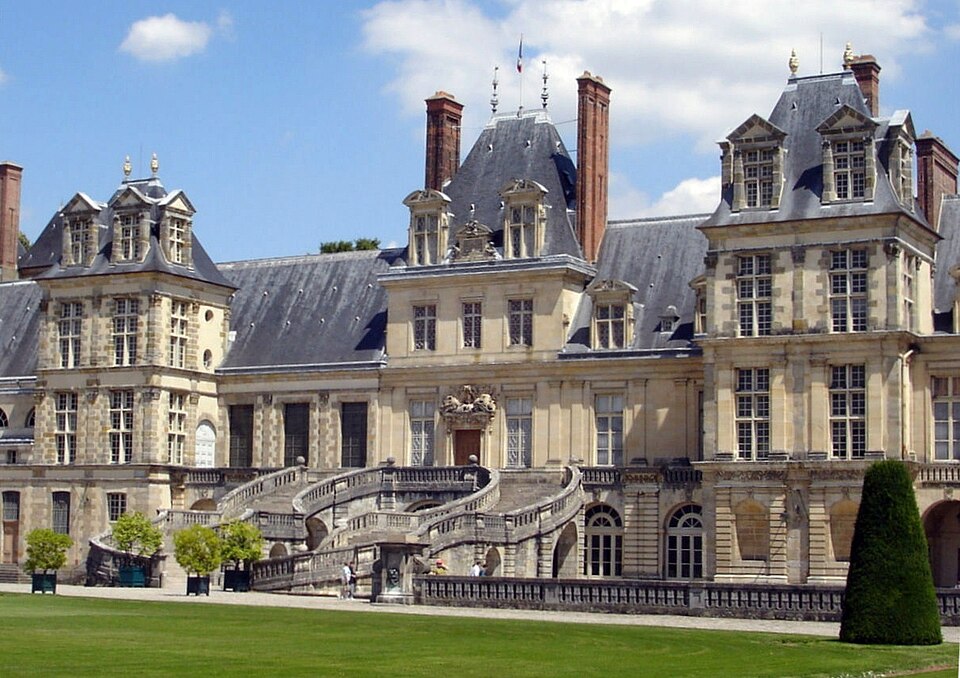 Historical portrait of Henry IV through seven castles, from Béarn to Île-de-France, marking his birthday (13 December) and the exhibition "The Flair of the
Henry IV in seven castles: from the cradle of Pau to the Grand Canal of Fontainebleau
Sources