
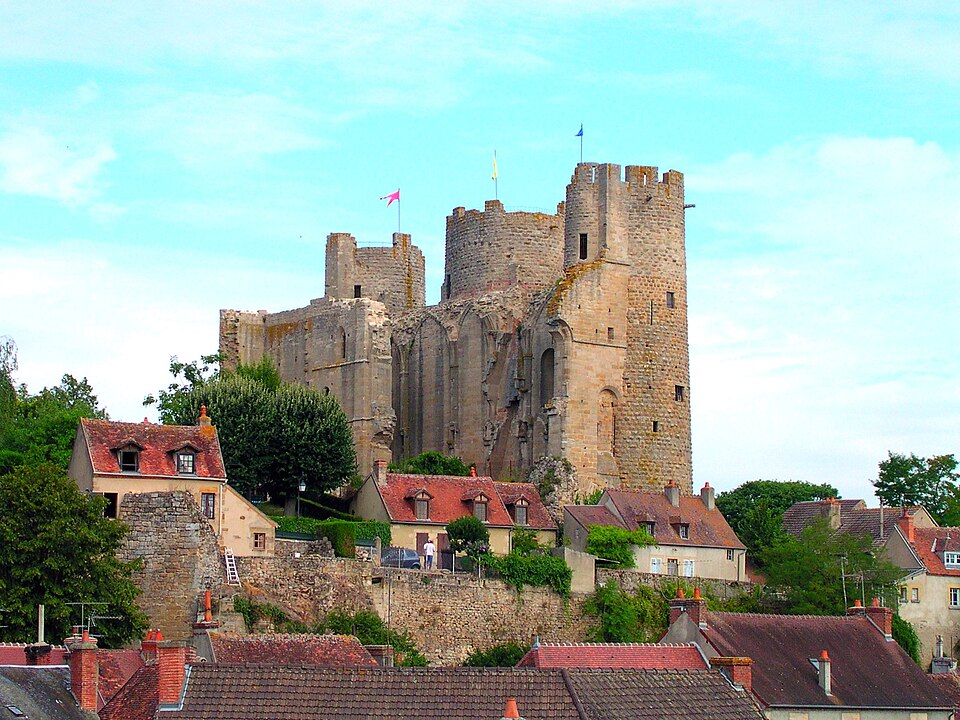
Three-day itinerary in the castles of Bourbonnais (Allier), cradle of the House of Bourbon, for the All Saints' holiday 2026
Three days in Bourbonnais for All Saints' Day: the castles of the dukes of Bourbon, from Montluçon to La Palice
Three-day itinerary in the Allier during the All Saints' holiday: Montluçon, Hérisson, Bourbon-l'Archambault, Billy, La Palice and Thoury, on the lands of the family that gave kings to France. Before Bourbon closes on 7 November.
Editorial journal · Carte des Châteaux ·
Allier, 3 jours
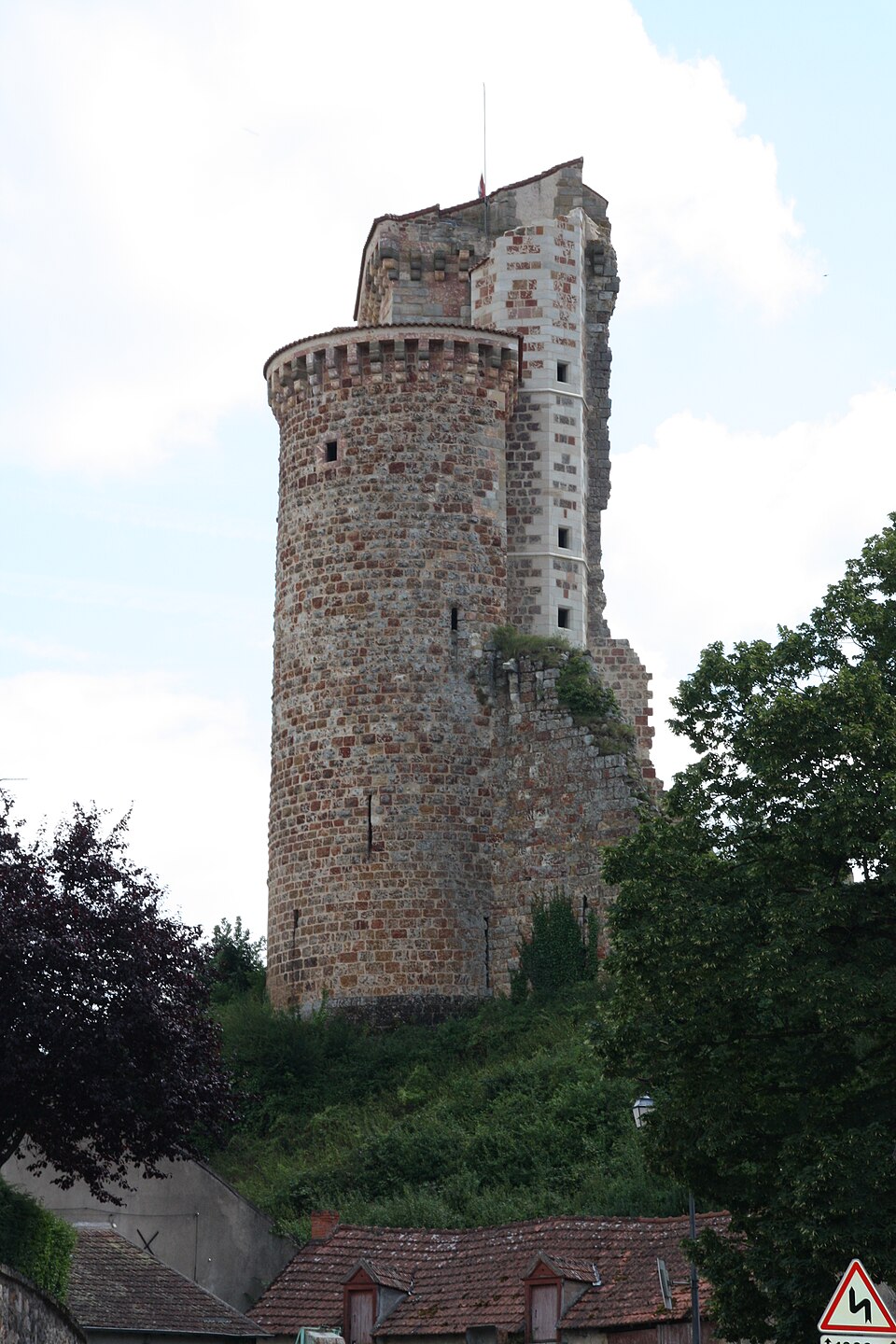
Before ruling at Versailles, the Bourbons were a family of lords settled on a rock in the Allier. Their name comes from Bourbon-l'Archambault, a spa town where three towers and a stretch of rampart still stand; their province, the Bourbonnais, corresponds almost exactly to the current department of Allier. For centuries, lords and then dukes scattered fortresses across the valleys of the Cher, the Allier and the Besbre, until the constable’s treachery in 1523 turned everything over to the royal domain. This All Saints' holiday, from 17 October to 2 November, is the perfect time to follow in their footsteps: Montluçon Castle celebrates its first year as a renovated museum, Bourbon-l'Archambault Castle closes on 7 November, and the oak forests of the bocage are ablaze with autumn colours. Here is a three-day route, from west to east, across six castles and a detour for legend lovers.
Three Bourbons who shaped these castles
Robert de Clermont
1256 - 1317
Sixth son of Saint Louis, he marries in 1272 Béatrice of Burgundy, heiress of the lordship of Bourbon. Their son Louis I becomes in 1327 the first duke of Bourbon; Henri IV descends from this line.
Louis II de Bourbon
vers 1337 - 1410
Nicknamed the Good Duke, he spends seven years in England as a hostage guaranteeing the ransom of King Jean the Good, from 1360 to 1367. On his return, he fortifies his duchy in the midst of the Hundred Years' War: rebuilding Montluçon from 1370, Hérisson in 1378. He dies in Montluçon on 10 August 1410.
Charles III de Bourbon, le connétable
1490 - 1527
Constable of France under François I, he falls into conflict with the king and his mother, Louise of Savoy, over his wife’s inheritance, then enters the service of Charles V in 1523. His assets are confiscated and the Bourbonnais joins the royal domain. He dies outside Rome in 1527, during the assault on the city by imperial troops.
Planning your stay
Read next
Souvigny: final visits to Château de la Matray before the end of the season
Road trip through three basalt castles in Auvergne, from Puy-de-Dôme to CantalRoad trip in Auvergne: three castles in the land of volcanoes
 Three-day road trip through the châteaux of the Auxois and Tonnerrois regions in Burgundy
Road trip in Burgundy: from the Ducal Auxois to the Renaissance châteaux of the Tonnerrois
 Legends and ghost stories in French castles
10 haunted castles in France and their legends
The route on the map
The route of the dukes of Bourbon
From west to east, from the Cher to the Besbre: around 180 km of driving over three days, passing through the Allier valley.
Markers follow the suggested visiting order. Select a castle to open its page.
Sources
Read more
Day by day
The itinerary
Day 1: Montluçon and Hérisson
Morning at the dukes of Bourbon’s castle in Montluçon, then drive to Hérisson (about twenty kilometres) to discover the ruins from the town. In the late afternoon, head to Bourbon-l'Archambault, about forty kilometres away, for the guided tour of the Qui qu’en Grogne Tower scheduled at 4 p.m. from Tuesday to Saturday.
Day 2: Bourbon-l'Archambault and Billy
Guided tour of Bourbon-l'Archambault’s three towers at 10 a.m., then head south (about an hour’s drive) to Billy, north of Vichy, for a guided tour by appointment. Legend lovers can venture as far as Veauce, about thirty kilometres to the west.
Day 3: La Palice and Thoury
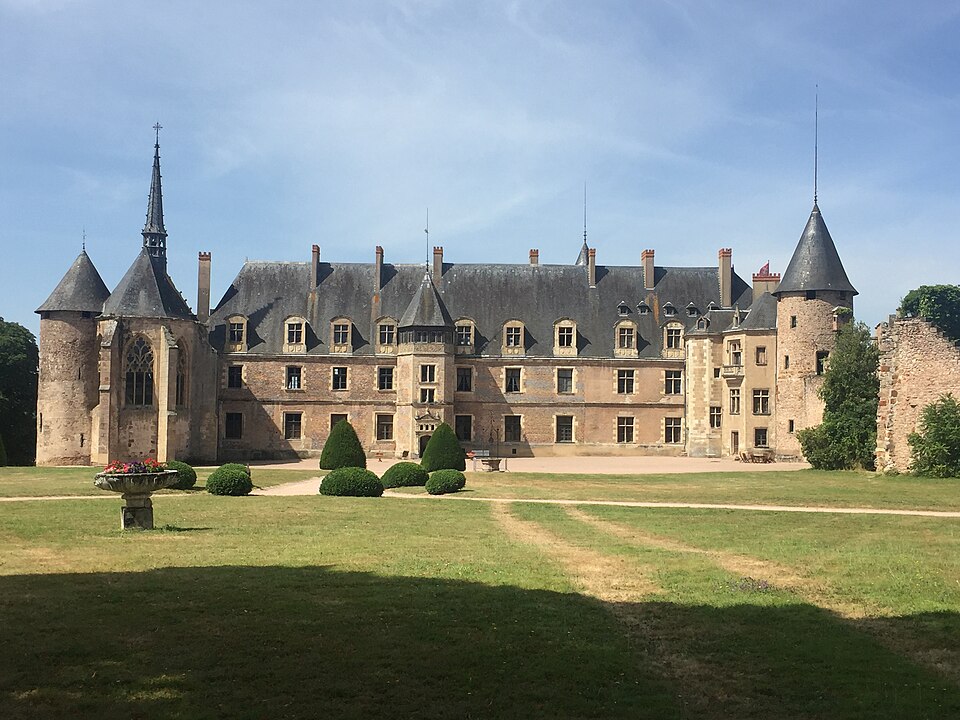
It’s a twenty-minute drive from Billy to Lapalisse. Morning at La Palice Castle, then head up the Besbre valley to Thoury for a stroll through the park and around the enceinte.