
Portrait of Isabelle of France, Queen of England, through five English castles, marking the 700th anniversary of Edward II's fall (November 1326)
Isabelle of France, 700 years after the fall of Edward II: the queen who overthrew her husband, in five English castles
On 16 November 1326, Edward II was captured by supporters of his wife, Isabelle, daughter of Philip IV of France. From Leeds to Castle Rising, five English castles still open to visitors tell the story of the Capetian queen who deposed an English king.
Editorial journal · Carte des Châteaux ·
Portrait
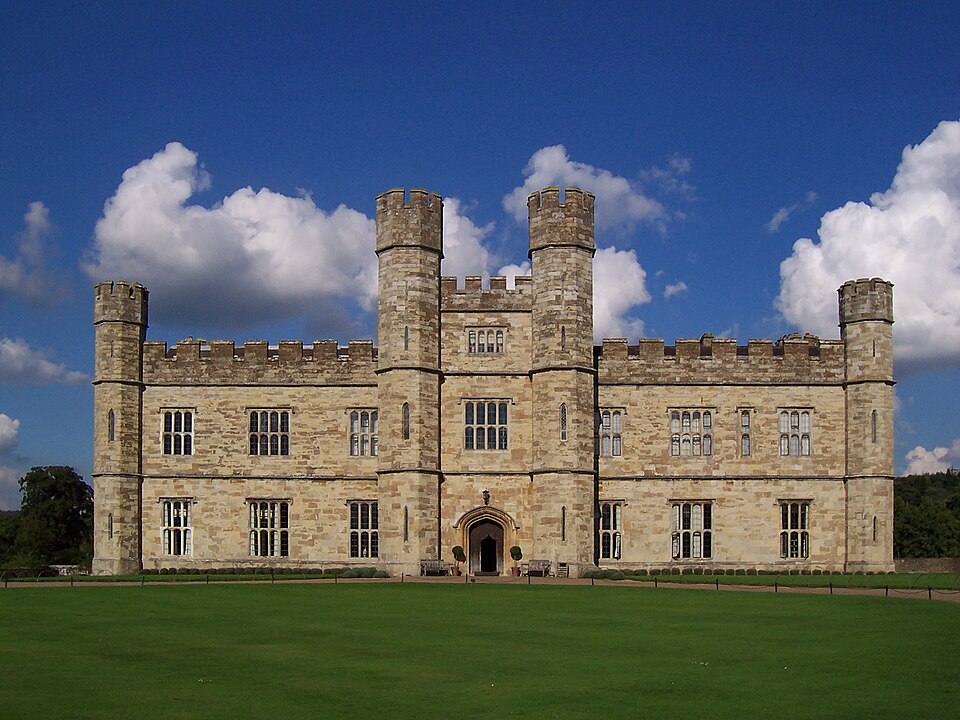
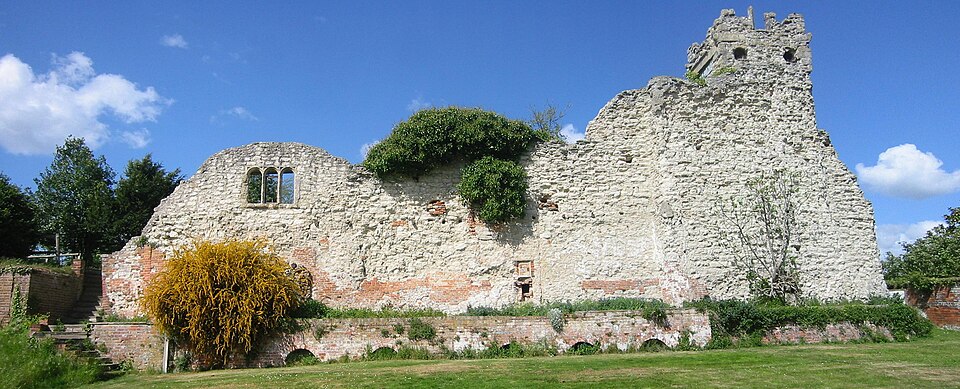
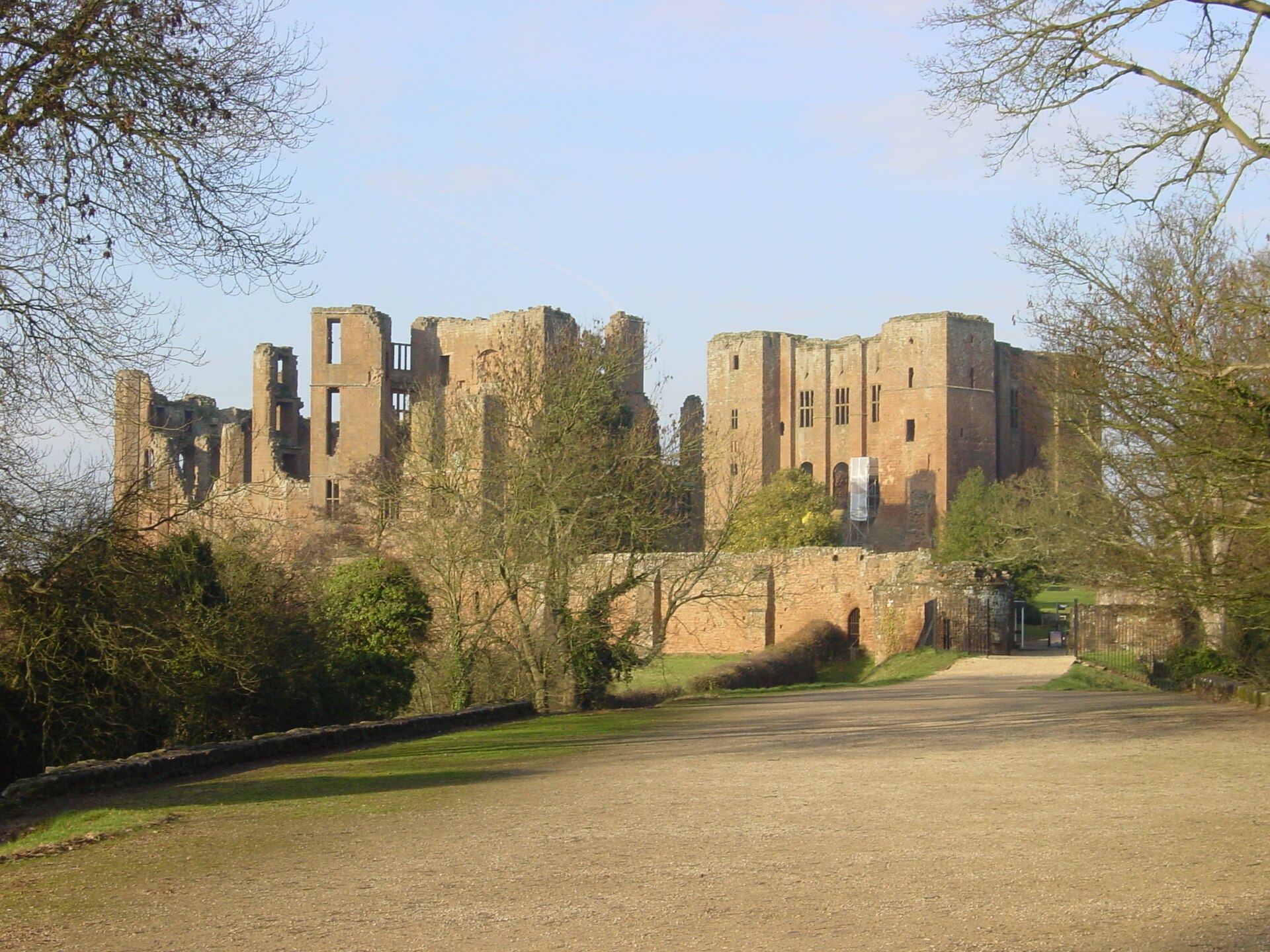
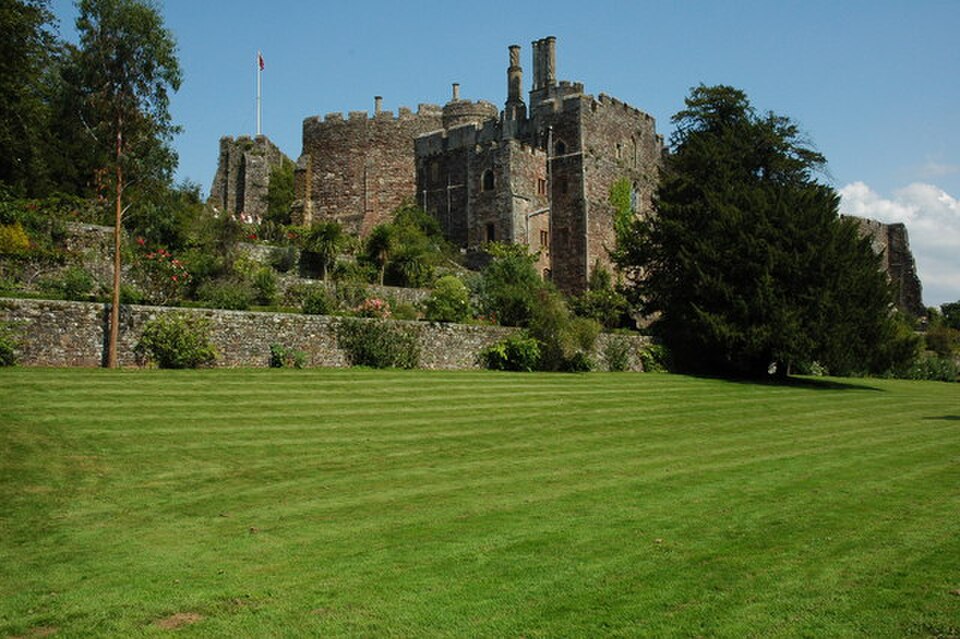
On 16 November 1326, in the hills of south Wales, men sent by the Queen of England laid hands on her husband. Edward II had been on the run for weeks with his favourite, Hugh Despenser; he would rule no more. The woman who had just deposed him was French: Isabelle, daughter of Philip IV of France, who had landed less than two months earlier in the Orwell estuary with a small army and her ally Roger Mortimer. Seven hundred years later, her story is still written in five English castles open to the public: Leeds, where the conflict escalated in 1321; Wallingford, which was given to her then taken away; Kenilworth, where the deposed king renounced the crown; Berkeley, where he died; and Castle Rising, where the queen spent her final years, far from court.
Leeds Castle
Around the queen
Édouard II
1284 - 1327
Born at Caernarfon Castle, son of Edward I, he became king in 1307. His attachment to his favourites, Piers Gaveston then the Despensers, and the defeat at Bannockburn against the Scots in 1314 ruined his authority. Deposed in January 1327, he was the first king of England since the Norman Conquest forced to relinquish the throne.
Roger Mortimer
1287 - 1330
A powerful Marcher lord, he rebelled against the Despensers in 1321–1322 and ended up imprisoned in the Tower of London, from which he escaped on 1 August 1323 to reach France. Allied with Isabelle, he governed England with her from 1327 and was created Earl of March in 1328 before being overthrown by the young Edward III.
Hugh le Despenser le Jeune
vers 1287 - 1326
Chamberlain to the king from around 1318, he and his father built a considerable fortune in Welsh lands, sparking the barons’ revolt in 1321. Exiled then recalled, he dominated the government until 1326 and became the focus of the hatred that propelled Isabelle to power.
Berkeley Castle
Other royal destinies through the castles
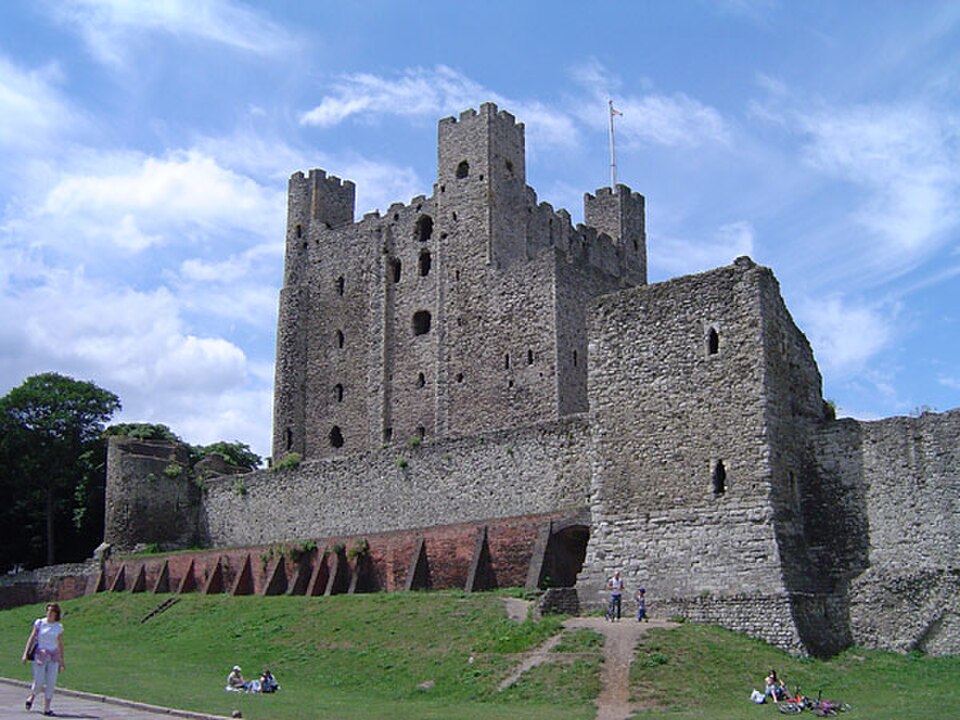 Historical portrait of Louis VIII and his English campaign (1216–17) through six castles, marking the 800th anniversary of his death at Montpensier (8 November)
Louis VIII, 800 years after his death: the French prince who nearly ruled England, in six castles
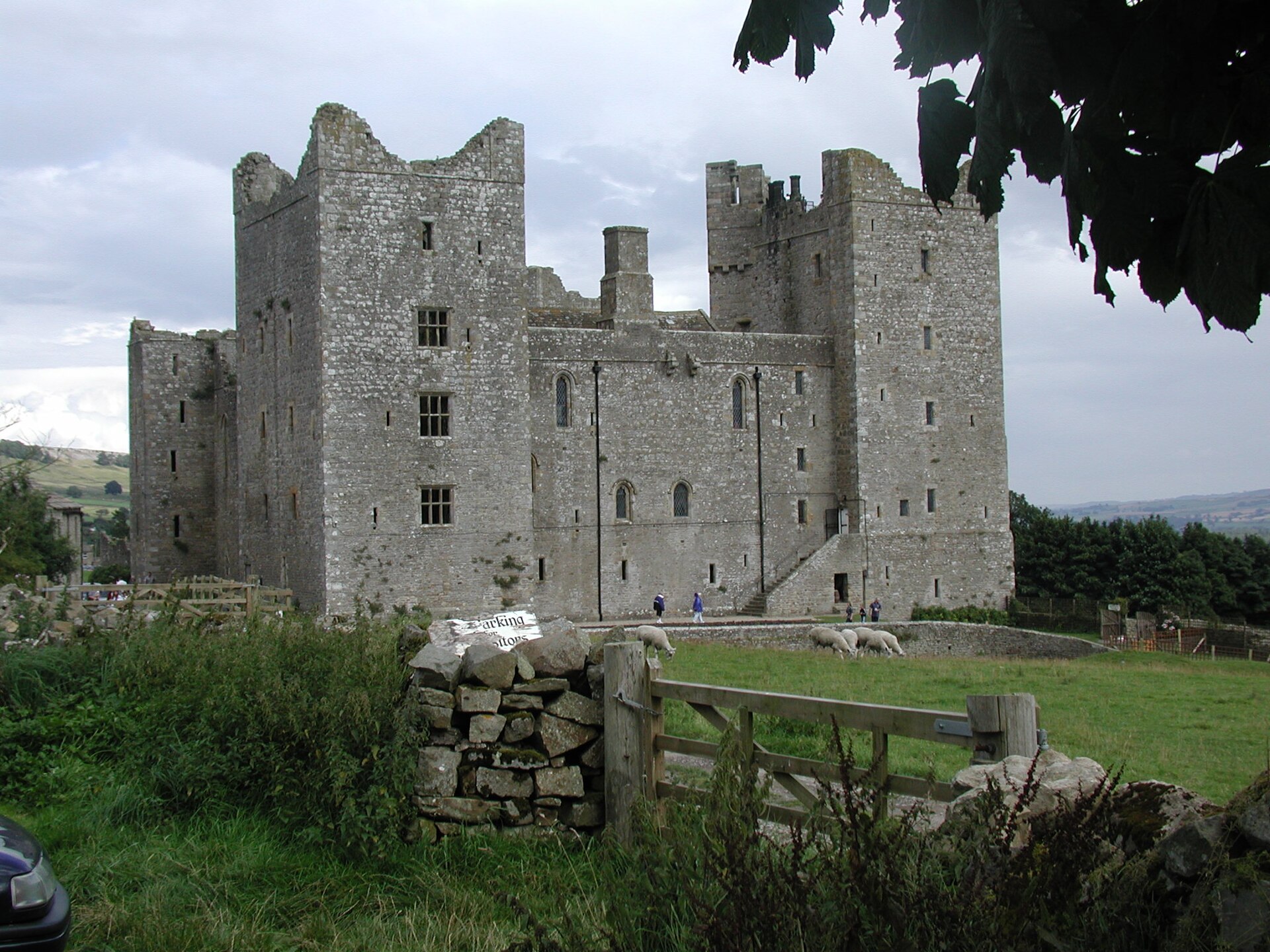 Historical portrait of Mary, Queen of Scots across six castles in France and England, from her childhood at the Valois court to her English captivity, centred on her
Mary, Queen of Scots in six castles: from Saint-Germain-en-Laye to Bolton, the French queen turned captive of England
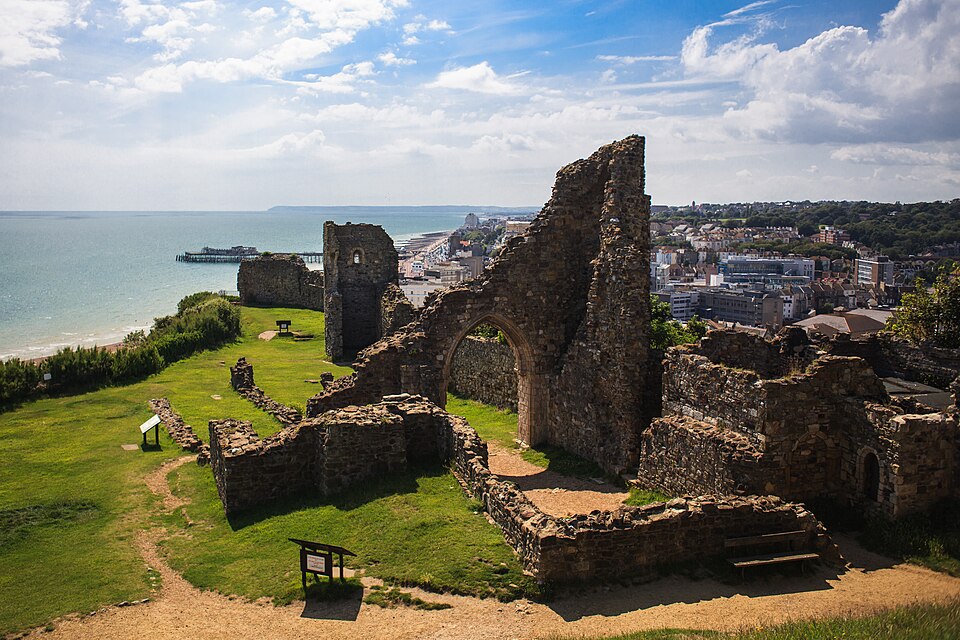 Historical portrait of William the Conqueror through seven castles in Normandy and England, to coincide with the Bayeux Tapestry exhibition at the
William the Conqueror in seven castles: from Brionne to the Tower of London, while the Bayeux Tapestry is in London
Christmas 2026 programmes at five English castles: Leeds Castle, Hever, Warwick, Haddon Hall and SudeleyChristmas 2026 in England: 5 illuminated castles, from Leeds Castle to Haddon Hall
Sources