
Three-day itinerary through Okayama Prefecture (Japan) in late autumn: Okayama, Bitchū Takamatsu, Bitchū Matsuyama and Tsuyama castles
Okayama in Autumn: Three Days of Castles, from the Black Crow to the Castle That Floats on Clouds
Late November 2026, Okayama Prefecture brings together night openings at Kōraku-en, the maple festival at Tsuyama Castle and the sea of clouds season at Bitchū Matsuyama. A three-day train itinerary across four Japanese castles.
Editorial journal · Carte des Châteaux ·
Japon, fin novembre
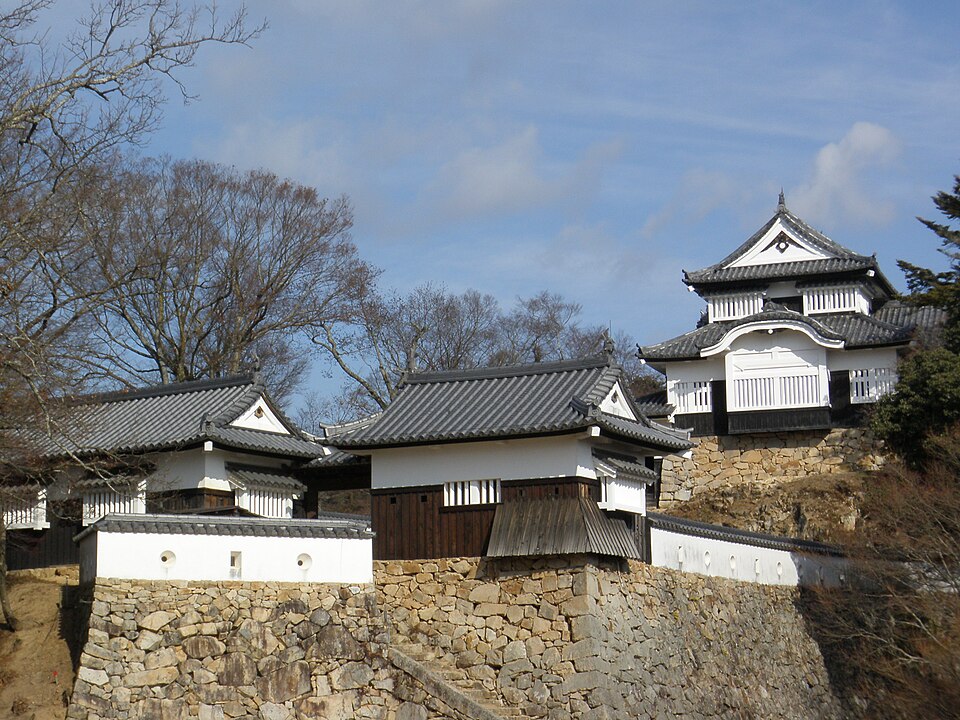
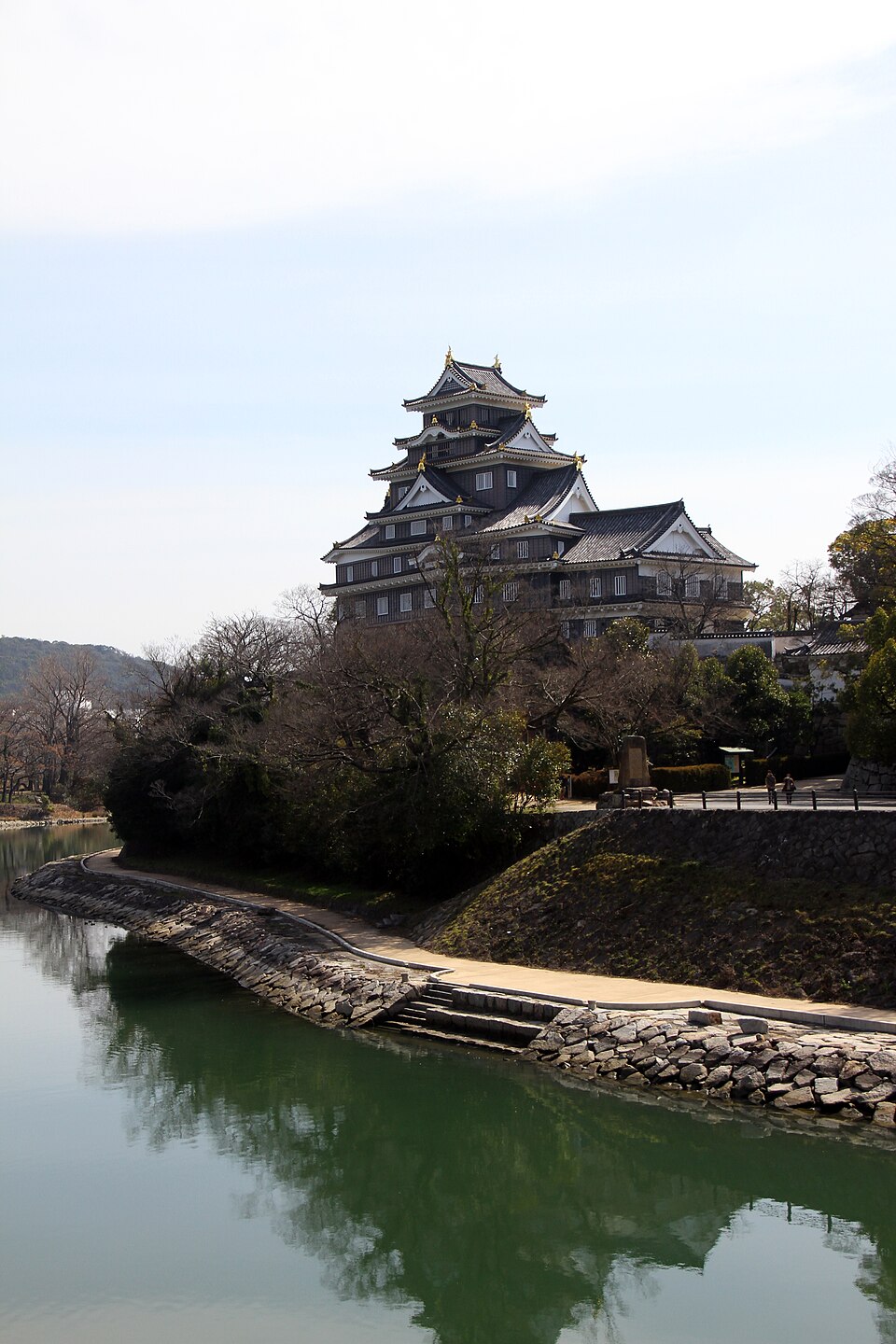
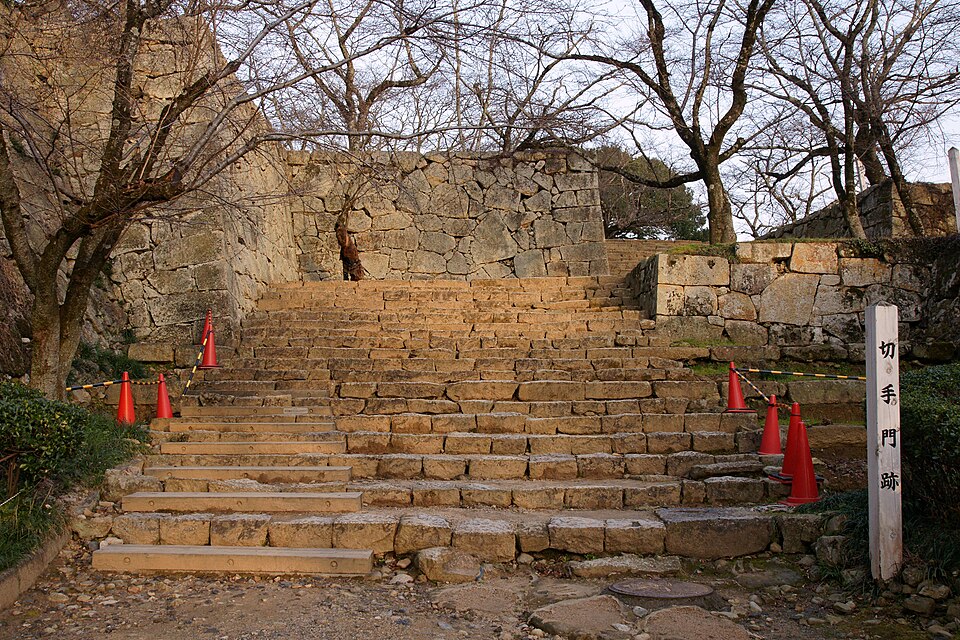
Between Kyoto and Hiroshima, Okayama Prefecture is often passed through at 300 km/h without a single stop. Yet it is here that, over three days and without a car, you can see four very different faces of the Japanese castle: a black keep rebuilt on the bank of a river, a plains fortress that Toyotomi Hideyoshi flooded beneath an artificial lake, one of the country's twelve original keeps perched at 430 metres, and the terraced stone walls of a stronghold levelled in the Meiji era. In late November the calendar lends itself particularly well: Kōraku-en opens at night from 20 to 29 November 2026, Tsuyama Castle illuminates its maples until 23 November, and the cold, clear mornings of this period are the most favourable for seas of clouds around Bitchū Matsuyama. Our notebook follows a departure on Friday 20 November, to make the most of the four days when everything overlaps.
Bitchū Matsuyama, the Castle in the Sky
Preparing for Dawn Above the Sea of Clouds
Okayama, the Crow Castle
Four Figures for Reading These Castles
Ukita Hideie
1572-1655
Son of Ukita Naoie, he completed the black keep of Okayama in 1597 and sat among the five great regents tasked by Toyotomi Hideyoshi with watching over his heir. On the defeated side at Sekigahara in 1600, he lost his domain, which passed to Kobayakawa Hideaki and then to the Ikeda clan.
Shimizu Muneharu
1537-1582
Lord of Bitchū Takamatsu in the service of the Mōri clan, he resisted Hideyoshi's flood siege in 1582. His death, on a boat in the middle of the artificial lake, was the condition of the peace concluded after the assassination of Oda Nobunaga; his grave lies on the castle site.
Kobori Enshū
1579-1647
Born Kobori Masakazu, a magistrate of the Tokugawa shogunate, he had the castle of Bitchū Matsuyama repaired with his father at the beginning of the 17th century. He remains famous as a tea master and garden designer.
Mori Tadamasa
1570-1634
Appointed lord of Tsuyama in 1603, he launched the construction of a great castle on Kakuzan hill the following year, on the site of a former Yamana stronghold. The work lasted twelve years and was completed in 1616.
The route on the map
Four Castles of Okayama Prefecture
From the Kibi Plain to the Takahashi Valley, then to the Tsuyama basin: a star-shaped circuit departing from Okayama Station.
Markers follow the suggested visiting order. Select a castle to open its page.
Read next
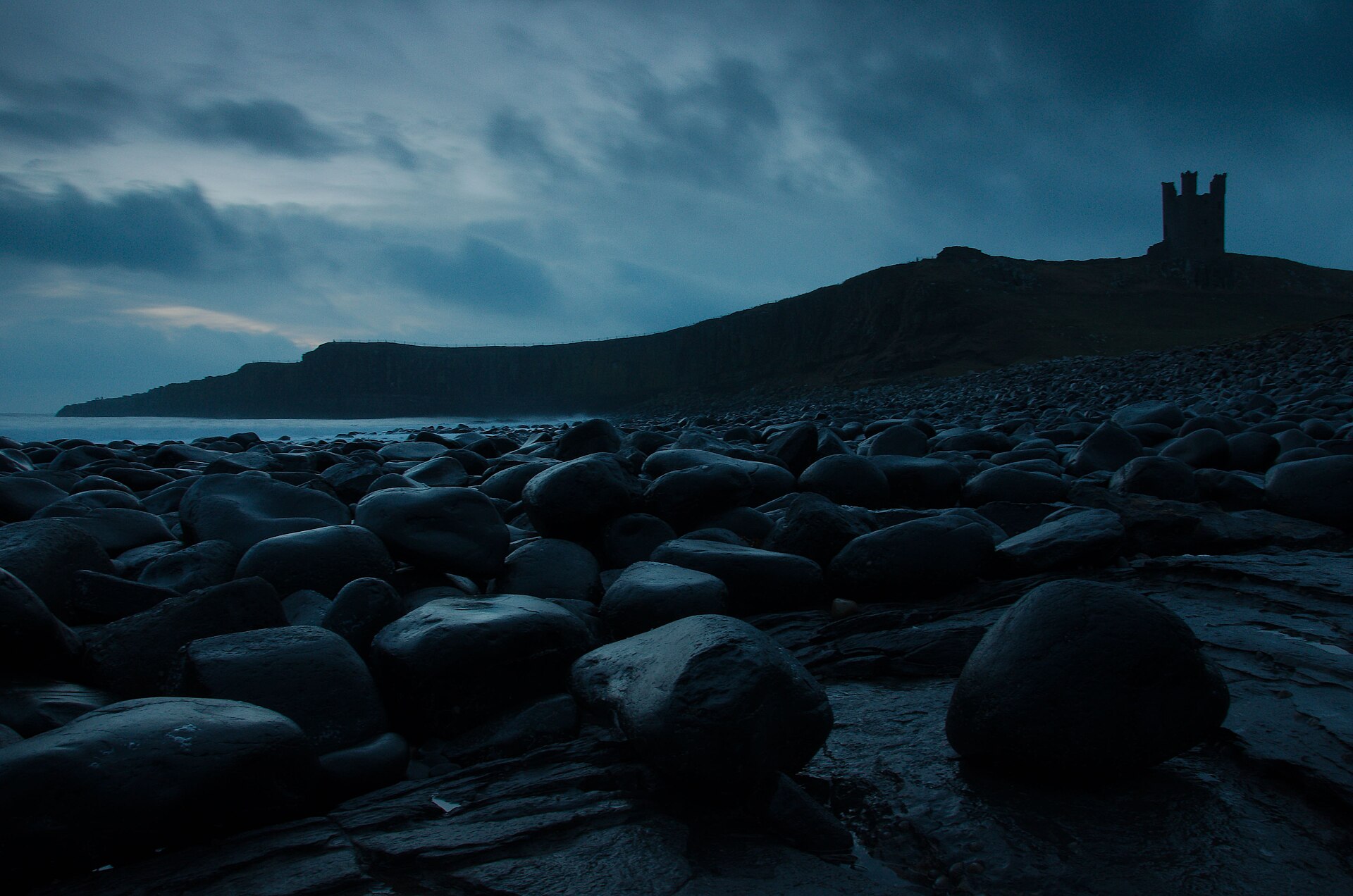 Three-day itinerary along the Northumberland coast (England) in late autumn: Warkworth, Dunstanburgh, Bamburgh, Lindisfarne and Norham
Northumberland Coast: Three Days of Castles, from Warkworth to Norham, in Seal-Watching Season
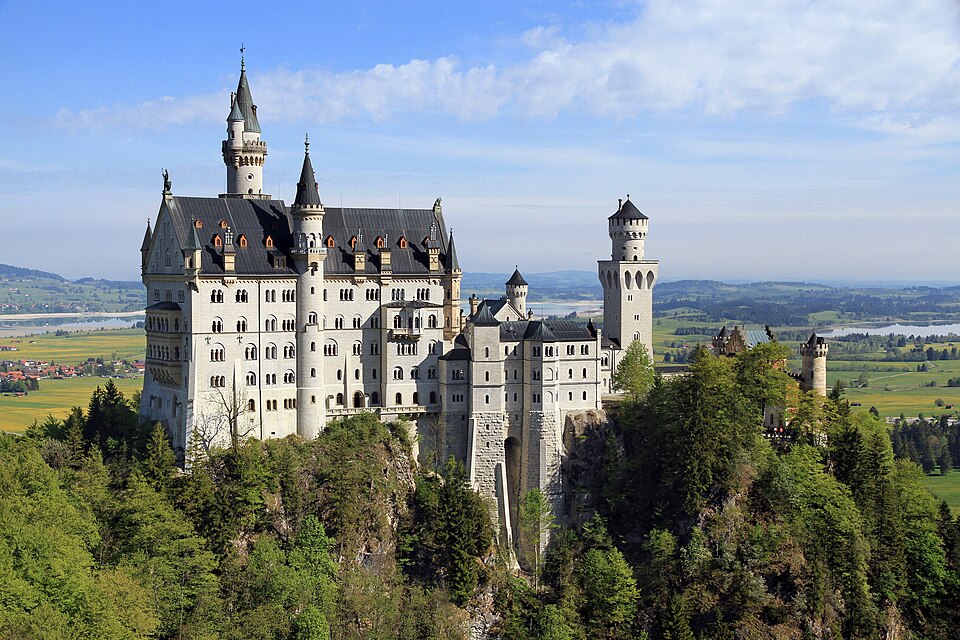 A three-day itinerary in Bavaria tracing the footsteps of King Ludwig II's castles: Neuschwanstein, Hohenschwangau, Linderhof and Herrenchiemsee
Bavaria: three days on the road of King Ludwig II's castles
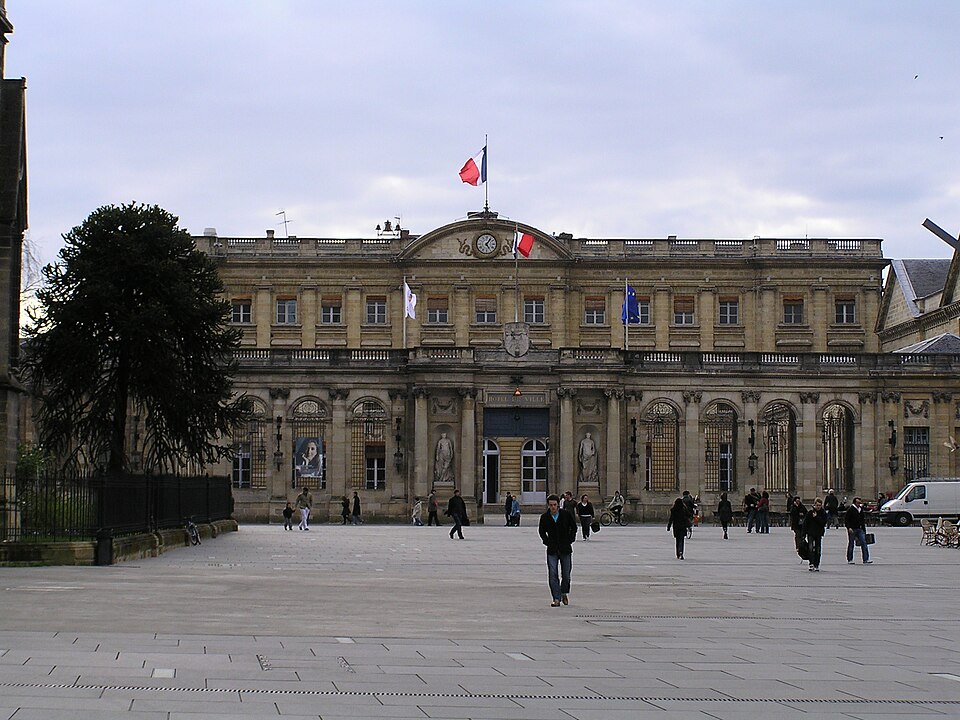 Understanding heritage vocabulary: château, castle, fortress and palace
Château, castle, fortress, palace: what’s the difference?
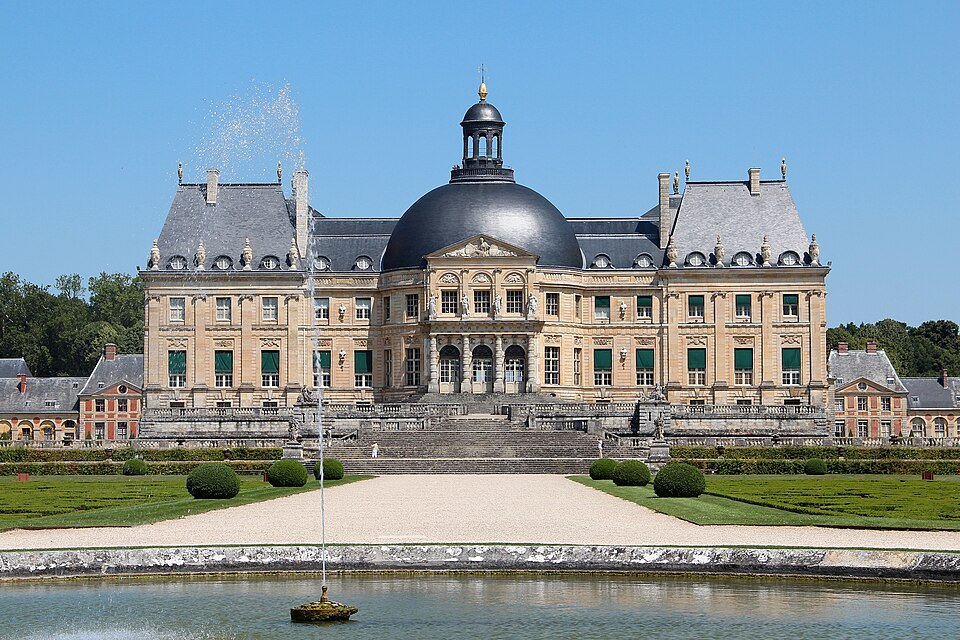 Tourisme automnal, châteaux et parcs
Les plus beaux châteaux à visiter en automne
Sources
Read more
Day by day
The itinerary
Day 1 – Bitchū Takamatsu and Okayama
Morning at the site of the 1582 flood siege, afternoon at the Crow Castle, evening at the illuminated Kōraku-en (20–29 November 2026). Night in Okayama.
Day 2 – Takahashi and Bitchū Matsuyama
JR Hakubi Line train to Bitchū-Takahashi, climb to Japan's highest original keep, afternoon in the castle town. Night in Takahashi.
Day 3 – Sea of Clouds and Tsuyama
Dawn at the observatory facing the castle, then train to Tsuyama for the stone walls of Kakuzan Park and the illuminated maple festival (14–23 November 2026).